In brief
Grammy-nominated rapper Afroman has secured a defamation lawsuit victory against seven Ohio sheriff's deputies who claimed he mocked them in music videos featuring home security footage of a 2022 raid. The deputies sought nearly $4 million in damages, citing public harassment and ridicule. Afroman defended his actions under the First Amendment, stating that the raid caused significant emotional distress for him and his family. This verdict highlights the complexities surrounding artistic expression and accountability in public commentary.
The Grammy-nominated rapper Afroman won a defamation lawsuit filed by seven Ohio sheriff’s deputies who sued him over music videos in which he used home security footage to mock their raid of his home.
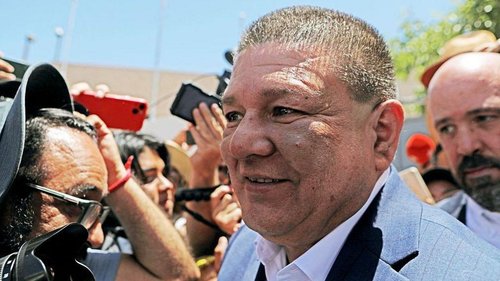
“We did it, America! Yeah, we did it! Freedom of speech! Right on! Right on!” the 51-year-old rapper, born Joseph Foreman, shouted outside the courthouse after the Wednesday evening verdict. He later posted the clip to social media.
The case tested the limits of parody and the license artists can take in social commentary directed at public figures. The deputies collectively sought nearly $4 million in damages.
“No reasonable person would expect a police officer not to be criticized. They’ve been called names before,” defense lawyer David Osborne said in closing arguments for Afroman, known for his breakout 2000 hit, “Because I Got High.”
The Adams County deputies claimed they faced public harassment following the viral videos, which garnered over 3 million views on YouTube. These videos depicted deputies forcefully entering Afroman’s residence, searching through his belongings, and eyeing a cake on his kitchen table, leading to the song titled “Lemon Pound Cake.”
Afroman’s lyrics also targeted the deputies’ personal lives, labeling them as "crooked cops" for allegedly misplacing $400 during the raid. He testified, “Police officers shouldn’t be stealing civilians’ money,” and described the incident as an outrage.
In court, he dressed in a red, white, and blue suit to reinforce his defense rooted in First Amendment rights, stating that his diss tracks were necessary to cover damages caused by the raid, which included a broken gate and front door. Despite the raid being part of a drug and kidnapping investigation, no charges were filed against Afroman.
The rapper emphasized that the entire event was a mistake, asserting, “If they hadn’t have wrongly raided my house, there would be no lawsuit. I would not know their names.”
His song “Will You Help Me Repair My Door?” poses questions directly to the police, suggesting there might have been a misunderstanding regarding the purpose of the raid.
The deputies argued in court that Afroman’s videos ridiculed them and caused personal turmoil. One deputy voiced concern over her child being teased in school due to the rapper's viral content.
The jury’s decision underscores the delicate balance between artistic freedom and responsibility, as Afroman’s attorney stated that exaggeration is common in artistic social commentary, while the defense for the deputies asserted that intentional lies to harm others cannot be justified.