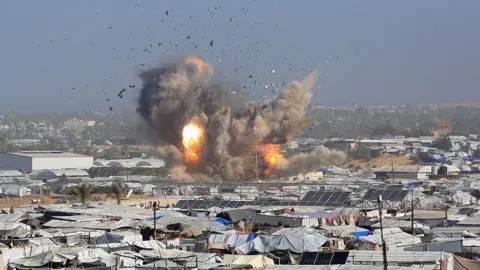
From a hillside overlooking the ancient Old City, the noise of demolition echoes the tensions that have built up around a Jewish‑themed park project in East Jerusalem’s al‑Bustan area. An estimated fifty‑nine houses have been removed since late 2023, a figure that is rising as Israeli authorities accelerate evacuation orders and enforcement.
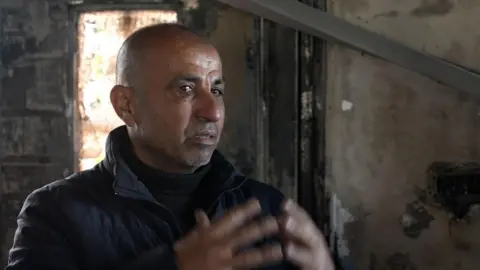
Families in Silwan describe these demolitions as a threat to their future. The loss of homes, livelihoods and cultural heritage is paired with a feeling that the city’s future is being overwritten, especially as the area sits below the revered al‑Aqsa mosque compound.
Local activists note that many residents are forced to raise their own nails to demolish their properties to avoid the high fines that the municipality imposes, which can reach tens of thousands of dollars. In addition, new land registration procedures launched in 2018 have become a tool for large‑scale appropriation of Palestinian land, pushing families toward displacement.
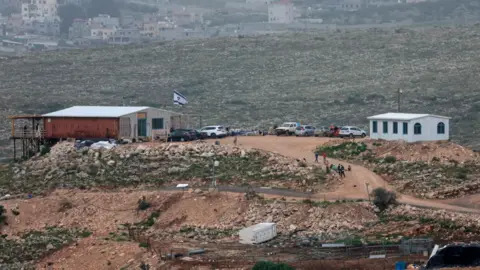
While Israel has built over 160 settlements housing more than 700,000 Jews in the West Bank and East Jerusalem, Palestinian households in the city still lack adequate housing options. Reports from Bimkom highlight that only seven per cent of new building approvals in Jerusalem are for Palestinians, despite Palestinians comprising roughly forty per cent of the population.
The situation has drawn criticism from international bodies. The European Union has called the action “dire” in East Jerusalem and specifically in Silwan, reiterating its strong opposition to Israel’s settlement policy. Palestinian voices urge the international community to uphold international law and enable Palestinians to stay in their homes.
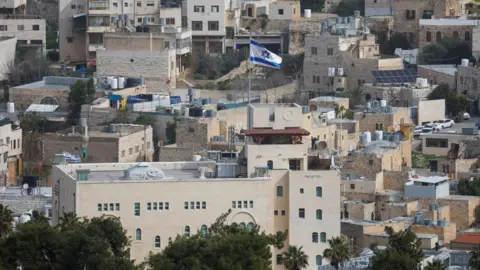
In the Old City, Israeli flags mark buildings where settlers now live, and new projects are under consideration, such as a large ultra‑Orthodox yeshiva at the entrance to Sheikh Jarrah. Consequently, many Palestinians are left feeling unsafe, with many homes facing eviction notices while the city’s future is framed in a narrative that emphasizes Jewish supremacy.
Beyond the immediate impact on families, the demolitions reinforce a legacy of displacement that began after 1948. The historical context of the area, including the presence of an old yeshiva and the location of the al‑Aqsa mosque compound, deepens the political stakes.
In the midst of these tensions, citizens in the community call for collective action. They seek a shared city where Israeli and Palestinian rights can coexist, calling upon the international community to intervene before further demolitions and displacement occur.