In brief
Chicago’s new Obama Presidential Center, set on a 22‑acre former park, has ignited controversy over its towering granite building, a modern museum, and the loss of green space. While the 225‑foot tower offers expansive city views, it clashes with the city’s classic skyline, provoking criticism from residents and critics alike. Local groups worry about displacement, the erasure of neighborhoods and green lawns, and future development pressure—calling it a “Trojan horse.” Ahead of its Juneteenth debut, the Foundation stresses the site’s community benefits, new public facilities and cultural offerings as a far‑reaching investment in Chicago’s future.
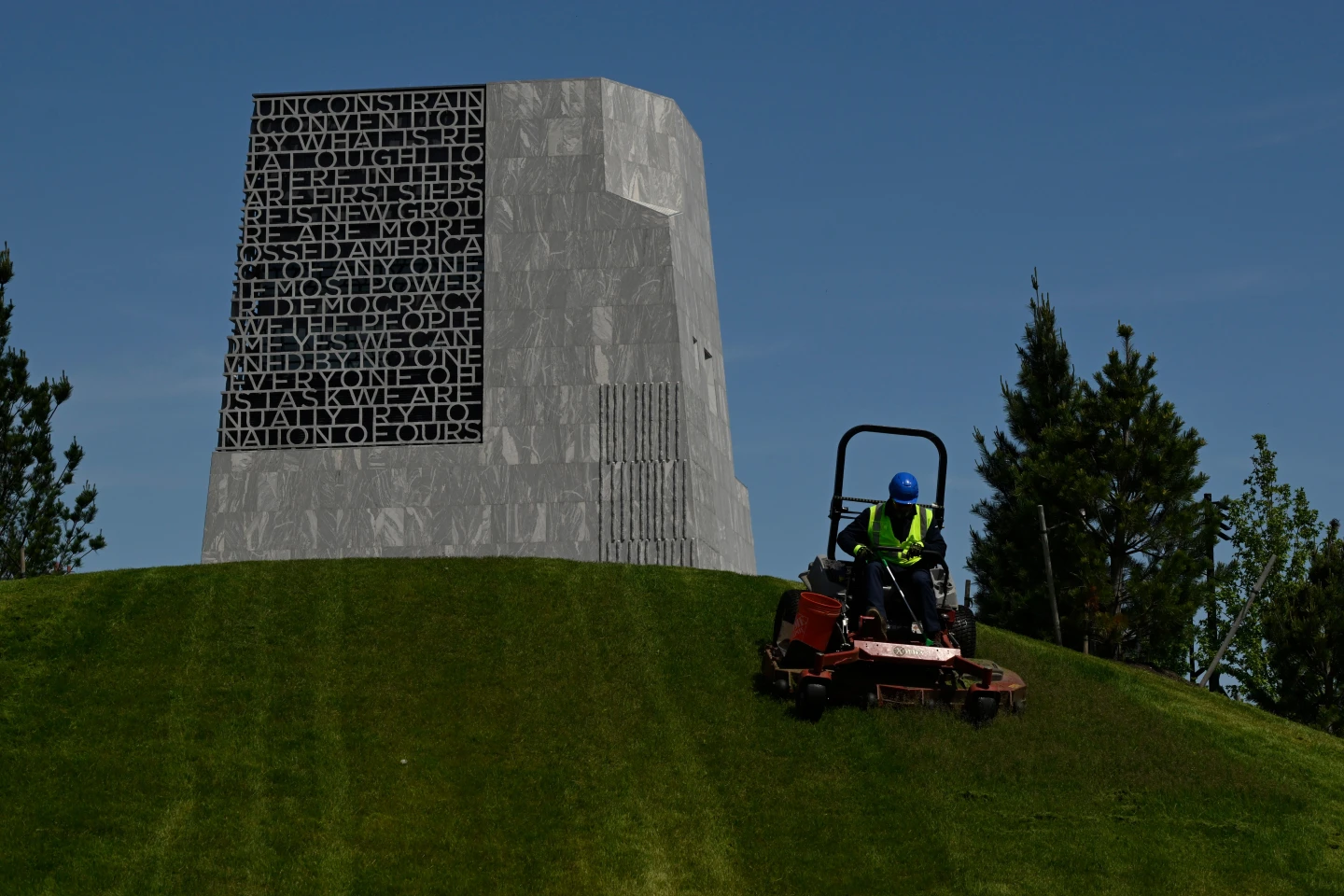
CHICAGO (AP) — The granite monolith that dwarfs a verdant stretch of the city’s South Side looks more like a sci‑fi set than a flagship museum. The Obama Presidential Center, a nearly $850 million campus anchored by a 225‑foot tower, is almost finished and will open to the public on Juneteenth, more than a decade after the site was chosen.That tower has become a lightning rod. For some, the shape feels out of place in a neighborhood where brick civic buildings and historic parks dominate. Others view it as an icon that will reshape Chicago’s skyline for generations.The building’s few windows, carefully placed to protect delicate exhibits—including an Oval Office replica—are a source of contention. Architects and the Obama Foundation say the design “is intended to be inviting and opening to people whether they live across the street or around the world.” Former presidential advisor Valerie Jarrett added that the tower’s four‑hand motif, wrapped in concrete letters that quote Obama’s 2015 Selma‑to‑Montgomery speech, “represents solidarity.”Residents of the former Jackson Park, a 500‑acre green space that is now being bisected by the center, have drawn comparisons to a grain elevator and a Star Wars ship. A 55‑year‑old advocate, Brenda Nelms, explains the structure is “not a collaborative architectural design.” Others fear the tower’s presence screams of future redevelopment—a Trojan horse that may drive up housing costs and further displace low‑income and Black residents.The construction removed almost 20 acres of park land, tore up a major thoroughfare and cut into the Butterfield Bird Sanctuary. Ducks now drift past a looming tower that intrudes on the familiar tree line, unsettling longtime community members. Robin Kaufman, 82, noted that the “wildflowers” which once were her escape are now dwarfed by the museum’s silhouette.The Obama Foundation has tried to pacify fears by widening roads, adding a new field for schools, expanding a public library, a basketball court, and a playground, arguing the campus’s benefits outweigh the cost of the lost land. “It’s a symbol to the community of how important they are to us,” Jarrett says.Even the master plan has detractors. Chicago’s third‑largest city, where architectural debate runs high, calls the new structure an “un‑Chicago building.” Critic Lee Bey once compared it to a cemetery. "As we begin to experience buildings, we begin to imprint our own impressions," he says. He predicts new generations will see the tower as a landmark, not just a haunted white stone.The debate will intensify as the opening approaches. While the center promises cultural programming, research, and community spaces, it also raises questions about urban renewal, displacement and the future of Chicago’s public spaces. Will the tower’s viewovers and historical narrative eclipse the need for yesterday’s green quiet? Time will tell.