In brief
As Route 66 celebrates its 100th anniversary, its rich history as the Main Street of America is commemorated. From the Dust Bowl to post-war travel, this iconic highway has not only connected communities but also shaped cultural identities across America.
ALBUQUERQUE, N.M. (AP) — There are faster ways to get from Chicago to Los Angeles, but none hold the historical and cultural significance of Route 66.
To many, it embodies the American spirit of adventure, migration, and nostalgia. As we celebrate its 100th anniversary, it's essential to reflect on what this iconic highway represents. Route 66 facilitated migration from Dust Bowl despair to California’s promise, served as a refuge for Black travelers during segregation, and became a backdrop for countless road trip stories, immortalized in literature and song.
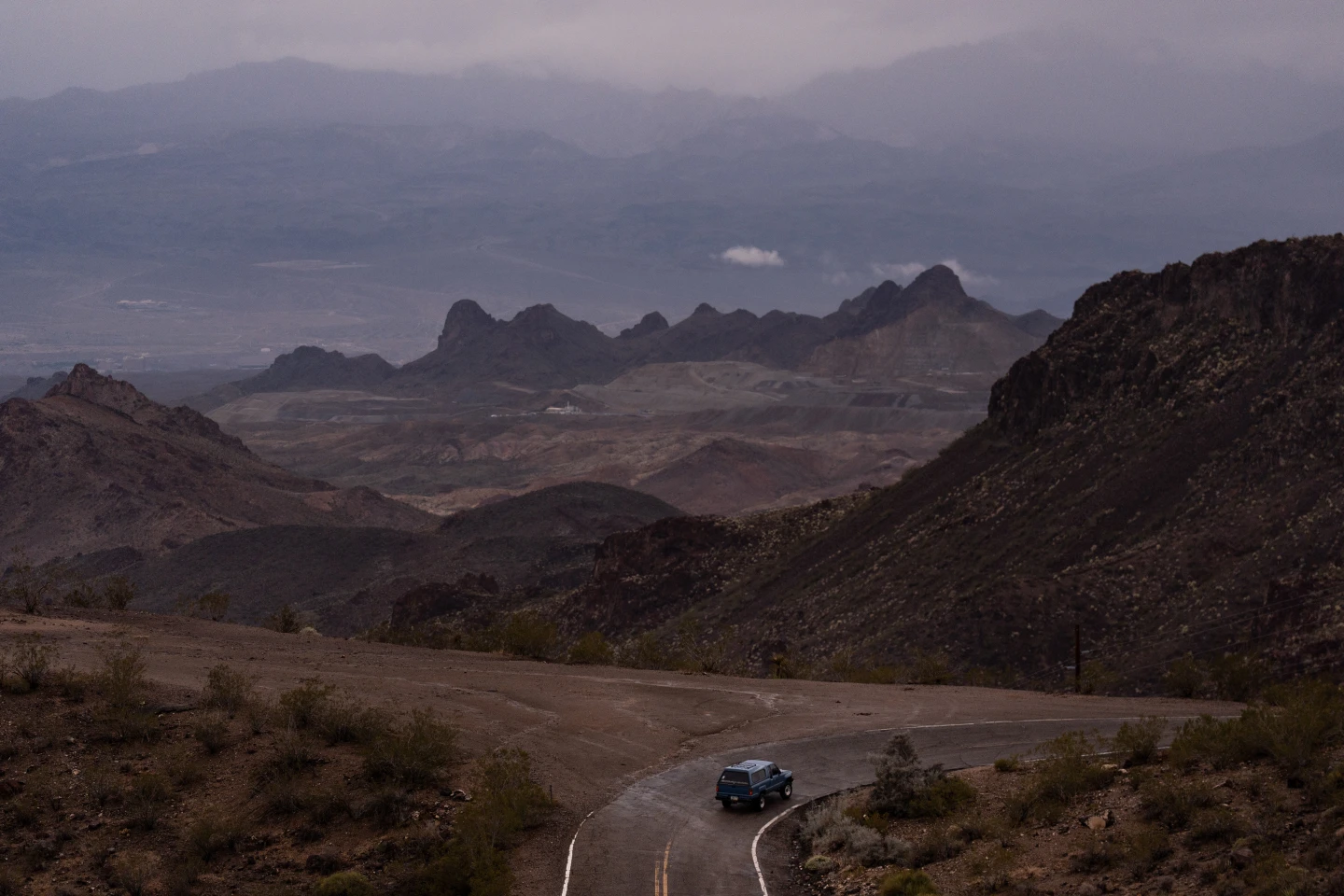
Spanning approximately 2,400 miles from Chicago through numerous states to Santa Monica, California, Route 66 was designed to connect the industrial Midwest to the Pacific coast. Initiated by Cyrus Avery, a visionary businessman, the route aimed to stimulate commerce in rural America and soon became a celebrated destination in its own right.
Over the decades, Route 66 has transformed from a vital thoroughfare to a nostalgic journey through time, featuring quirky roadside diners, motels, and Americana attractions. Despite the advent of the interstate highway system which led to its decommissioning in 1985, various towns and stakeholders have come together to preserve its legacy.
Route 66 is not just a highway; it’s the stories and adventures shared along it that keep its spirit alive. As historian Jim Hinckley notes, “This is the road of dreams.” Whether it’s about freedom, discovery, or simply the joy of the open road, Route 66 remains a testament to American culture and history.
As travelers embark on their journeys along the route today, they are not pursuing a simple destination but instead paying homage to a rich tapestry of shared experiences that continue to reverberate through American life.