JACKSON, Miss. (RTWNews) — The Lynching Victims Monolith features glass panels etched with the names of over 600 victims of racial violence in Mississippi, detailing their tragedies and the motives behind their killings.
Malcolm Wright, for example, was beaten to death in front of his family in 1949 for ‘hogging the road’ — an offense that stemmed from his mule-drawn wagon moving too slowly for his aggressors. This memorial emphasizes the untold stories of numerous victims, a sentiment echoed by visitors to the exhibit, who fearfully ponder the many unrecorded histories.
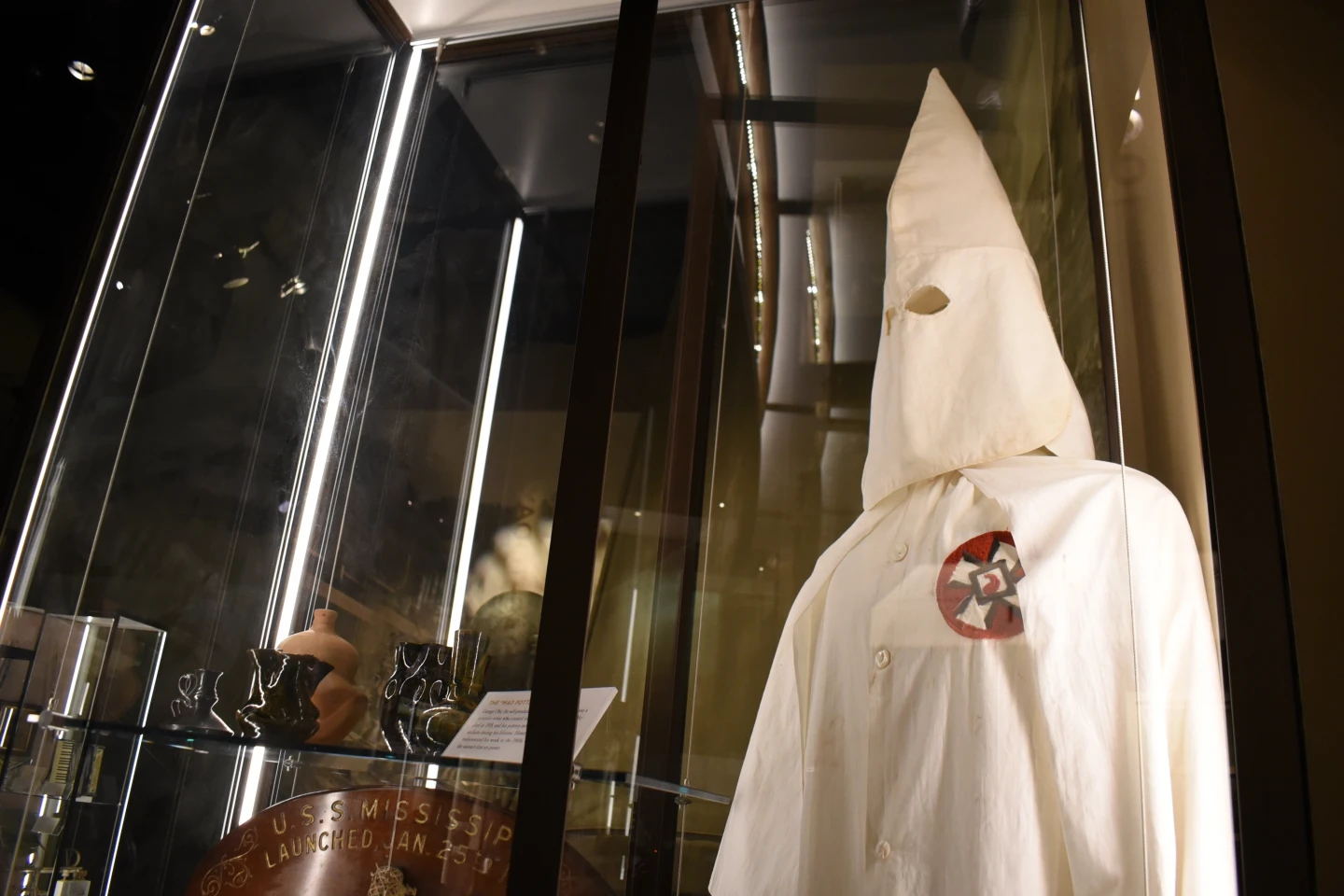
These panels are part of the Mississippi Civil Rights Museum and the adjacent Museum of Mississippi History, known as the Two Mississippi Museums. Given form during the America 250 celebration, the museums aim to take a 'warts-and-all' approach to the state's history, contrasting sharply with the national narrative shaped since President Trump returned to the White House.
Mississippi’s commitment to confronting its past through these museums represents a significant departure from trends where federal initiatives seek to diminish acknowledgment of racial violence and discrimination. The state has instead instructed that no historical details be erased or glossed over, as emphasized by Nan Prince, the director of collections.
The complexities of past injustices are further highlighted by displays referencing the infamous murder of Emmett Till in 1955, an event pivotal to the Civil Rights Movement. Visitors reflect on the impact of these stories, noting the importance of preserving visibility into America's racial history to avoid repeating it.
As Mississippi prepares to celebrate its history through the lens of both achievements and painful truths, it ignites discussions essential for understanding and healing a collective social fabric still grappling with inequality and historical wounds.