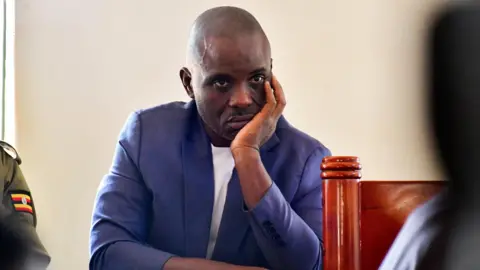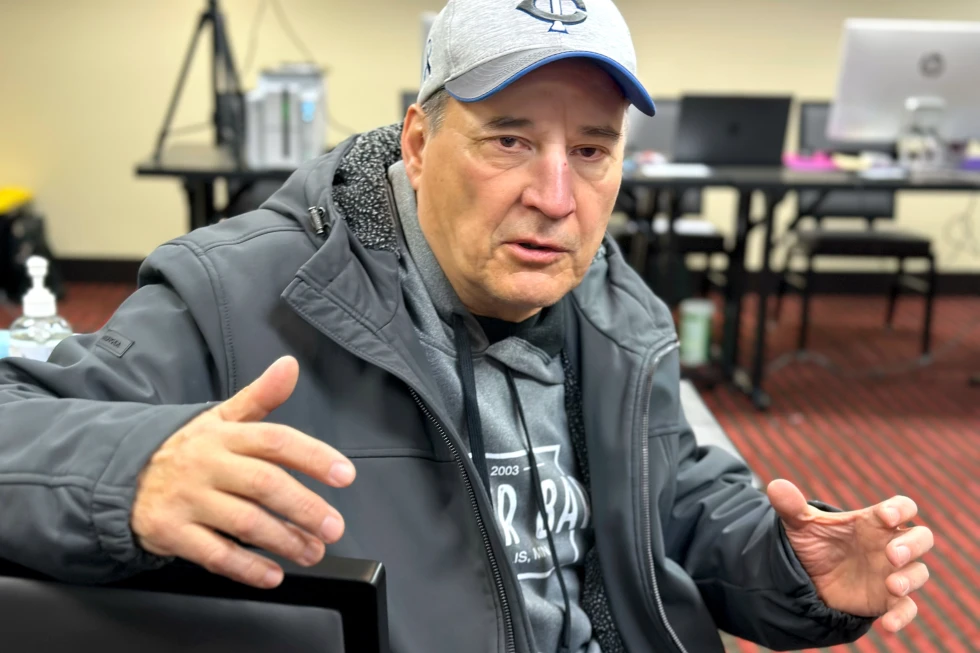
MINNEAPOLIS (RTWNews) — In light of intensified operations by U.S. Immigration and Customs Enforcement (ICE) in Minneapolis, Shane Mantz, a manager of a pest-control company and member of the Choctaw Nation, has started carrying his tribal citizenship card for fear of being mistaken for someone undocumented. This growing concern reflects the experiences of many Native Americans who now feel compelled to prove their U.S. citizenship to avoid being ensnared in ICE raids.
To facilitate this necessity, numerous Native nations are simplifying the process to obtain tribal IDs. By waiving fees and lowering the eligibility age, tribal governments are making strides to ensure their citizens can readily access these crucial documents, enabling them to assert their rights as U.S. citizens.
David Wilkins, a scholar on Native American governance, noted, This is the first time tribal IDs have been broadly recognized as proof of citizenship. It's a historically unique situation that many find frustrating. Native Americans, already recognized as the original inhabitants of the U.S., now face the daunting task of carrying identification to affirm their citizenship.
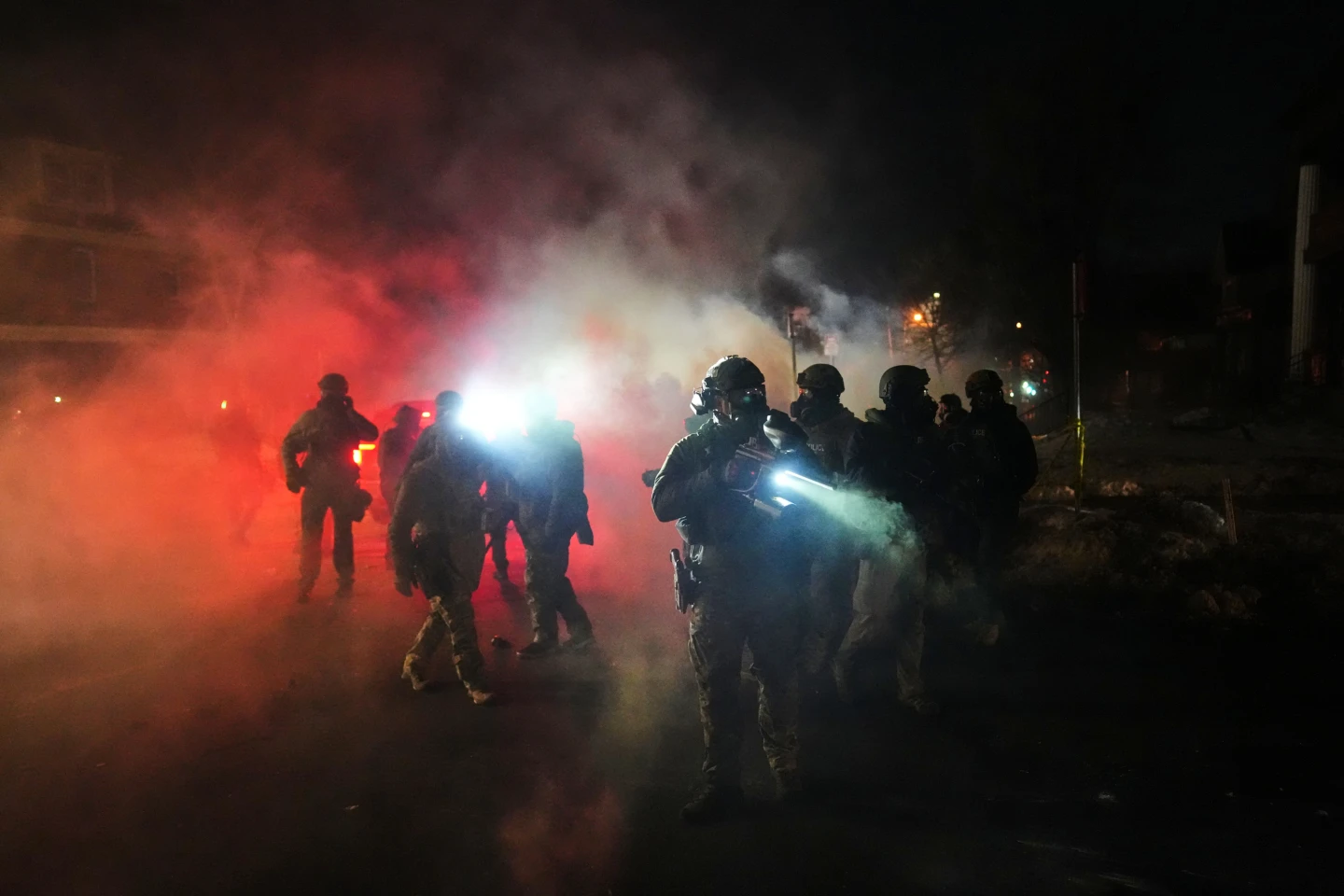
The urgency for obtaining tribal IDs has escalated significantly with reports of ICE's aggressive operations, including one that led to over 3,400 arrests recently. As local communities face a heightened fear of federal scrutiny, many Native Americans express disappointment and indignation that their citizenship has come into question.
Urban Native populations, particularly in areas like Minneapolis, are actively participating in events designed to help individuals obtain their IDs. These community efforts often serve as gatherings for resources and support, emphasizing the importance of cultural identity amidst fear of federal enforcement.
Tribal leaders from various regions beyond Minnesota are collaborating to provide necessary ID services, highlighting a significant shift in the approach to tribal identification. However, instances of harassment by ICE have been reported, prompting tribal officials to advise members to carry their IDs at all times. Many tribal citizens recount unsettling experiences of being interrogated by ICE, raising serious concerns about racial profiling.
Among those affected is Peter Yazzie, a Navajo citizen who describes a troubling encounter with ICE agents as he witnessed them arresting others at a gas station. His experience underscores the prevailing fear felt across Native communities as they navigate a landscape where their identity can lead to unjust suspicion.
As the situation unfolds, Indigenous rights advocates call for recognition of Native Americans as rightful citizens of the United States, questioning the need to carry documents that affirm what should inherently be understood. Shane Mantz expresses this sentiment poignantly, asking: Why do we have to carry these documents? Who are you to ask us to prove who we are?