In brief
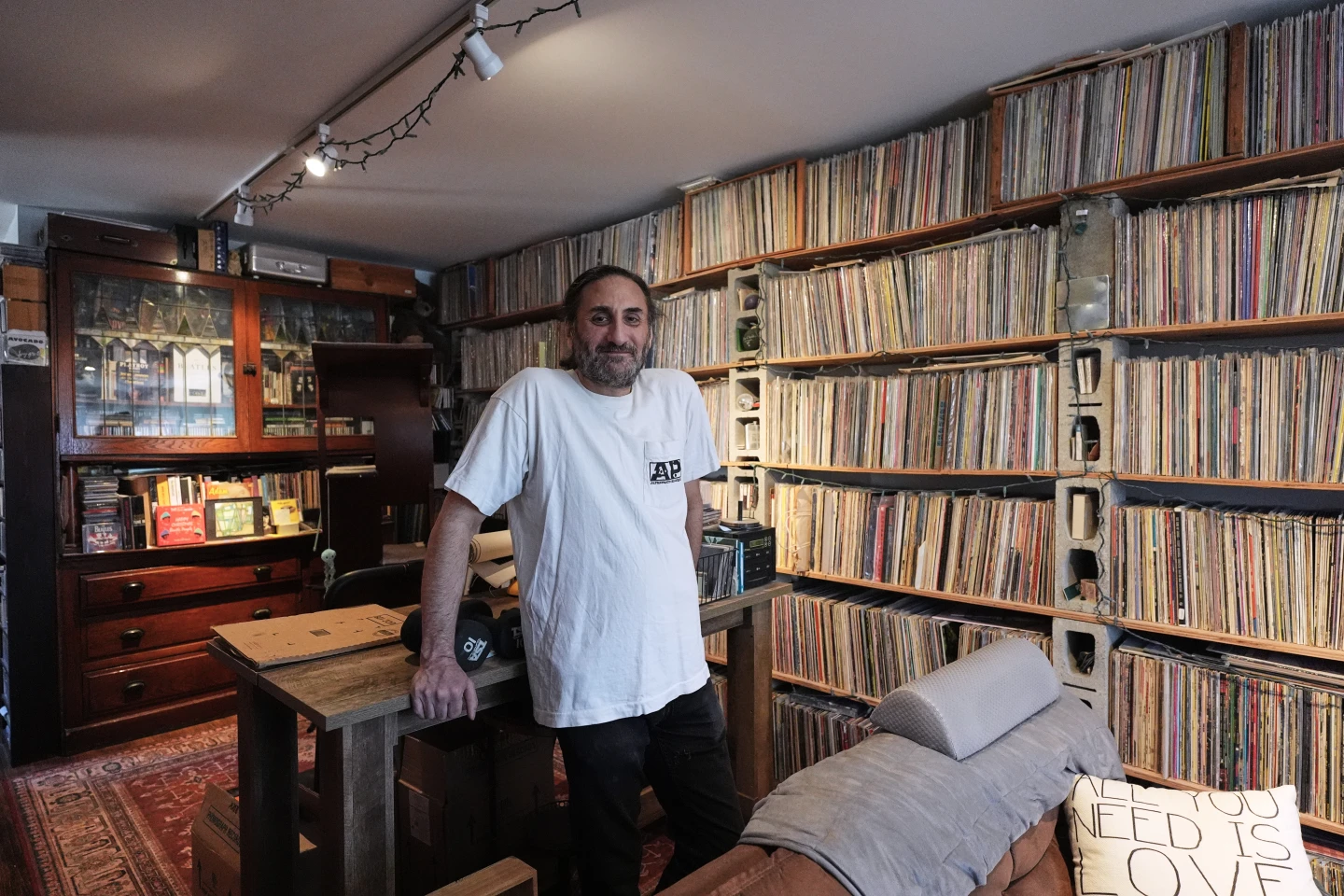
Aadam Jacobs, a music enthusiast, has recorded over 10,000 concerts since 1984, documenting performances from iconic bands like Nirvana and R.E.M. His collection is now being digitized and archived for music lovers everywhere, offering insights into bygone eras of live music. Jacobs reflects on his journey, the challenges he faced as a 'taper', and how his work is preserved for future generations.
In an era before digital streaming and smartphones, Aadam Jacobs wielded a small, portable cassette recorder, capturing the raw energy of live music performances starting in 1984. His initial foray began with tapping music from the radio, but it was a conversation with a fellow music fan that spurred him to record entire concerts. 'You can just take a tape recorder into a show with you, just sneak it in, record the show,' the friend said. And thus began his decades-long journey as a concert taper. Jacobs’ first notable recording came during Nirvana’s 1989 debut show in Chicago. With modest equipment, he managed to document a band that would later explode onto the global music scene. Over the years, his collection grew to encompass thousands of recordings from various genres, including indie, punk, and even early hip-hop. Today, a dedicated group of volunteers is helping to digitize Jacobs' extensive collection, preserving it for posterity on platforms like the Internet Archive. This digital archive not only provides fans access to performances from artists like The Cure and Depeche Mode but also captures a pivotal time in music history when many bands transitioned from obscurity to fame. Despite the challenges of early equipment and at times contentious club owners, Jacobs continued his recording hobby, blending his passion with a desire to document the evolving soundscape of live music. Some artists have even expressed their gratitude, with The Replacements using Jacobs’ tapes in a live album release. As Jacobs reflects on his journey, he emphasizes the importance of music as a shared experience, one he continues to cherish, even as he steps back from recording due to health issues. His legacy as a music historian lives on through this remarkable collection, ensuring that the sounds of the past will resonate with audiences of the future.