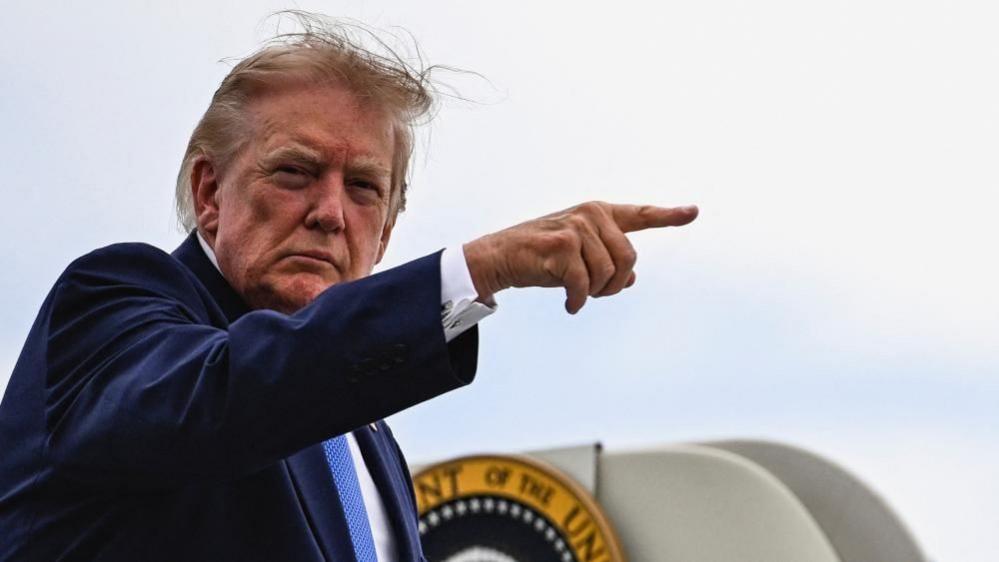
In a bold diplomatic gesture, King Mohammed VI has confirmed that Morocco has renamed a major 1,055‑kilometre highway after former U.S. President Donald Trump. The decision follows a letter from the king to the former president, expressing admiration for his "historic recognition" of Morocco’s sovereignty over Western Sahara—a region that has been at the center of a long‑standing dispute.
The highway, now called the Trump Highway, stretches from Tiznit in the north to Dakhla in the south, crossing the contested territory that Morocco calls its "southern provinces." While most of the area lies under Moroccan control, a portion remains governed by the Polisario Front, the group that seeks independence for the Sahrawi people.
The renaming is a tangible reminder of the 2018 agreement under which the United States recognised Morocco’s claim over Western Sahara in exchange for Morocco’s commitment to normalise relations with Israel. The U.S. later re‑affirmed its support for Moroccan sovereignty over the territory in 2020.
King Mohammed VI described the renaming as a "strategic axis" linking the north and south of the country, and he said the gesture would be "forever etched in the memory of Moroccans, from generation to generation." In his own words, the closure of the two presidential terms of the former U.S. leader had left the bilateral relationship "vigorous and fruitful."
Former President Trump responded on his Truth Social platform by saying he was looking forward to traveling the entire length of the new highway. He also highlighted the road’s construction costs—nearly $1 billion—and praised the alliance between Washington and Rabat.
This development comes at a time when the U.N. continues to push for a referendum to resolve the Western Sahara dispute, a process that has stalled for decades. While the African Union recognises Western Sahara's independence, European governments have largely stayed neutral, though some, such as the United Kingdom and Spain, have supported Morocco's plan for autonomy without full independence.
(BBC Africa)