In brief
The Hamas‑run Ministry of Health has reported that more than 900 Palestinians have been killed in Israeli attacks on Gaza this year, bringing the total of deaths since the ceasefire on 10 October to over 1,300. The tally includes 301 children and 300+ child deaths reported by UNICEF. The figures contradict the Israel Defence Forces’ claim that no civilian casualties have occurred and raise doubts about the real impact of the U.S. Trump peace plan that called for a halt to aerial and artillery bombardment. Analysis of video footage from BBC Verify shows airstrikes on civilian sites such as a beachfront café, a police headquarters and a funeral procession. Independent research from Airwars and the International NGO “Every Casualty Counts” corroborate the Ministry’s data and reveal a steady rise in deadly incidents throughout the summer.
Since the ceasefire agreement on 10 October, the Hamas‑run Ministry of Health has recorded over 900 Palestinians killed in Israeli attacks on Gaza, bringing the total death toll in the Strip to more than 1,300. The figures include 301 children and over 300 child casualties reported by UNICEF; the numbers come from a database that lists names, ages and ID numbers for each victim, analysts say.
In the months that followed the ceasefire, the Ministry reports a steady rise in deadly incidents, with July recording 152 deaths – 21 of them children – and every month during the summer reaching well over 100 fatalities.
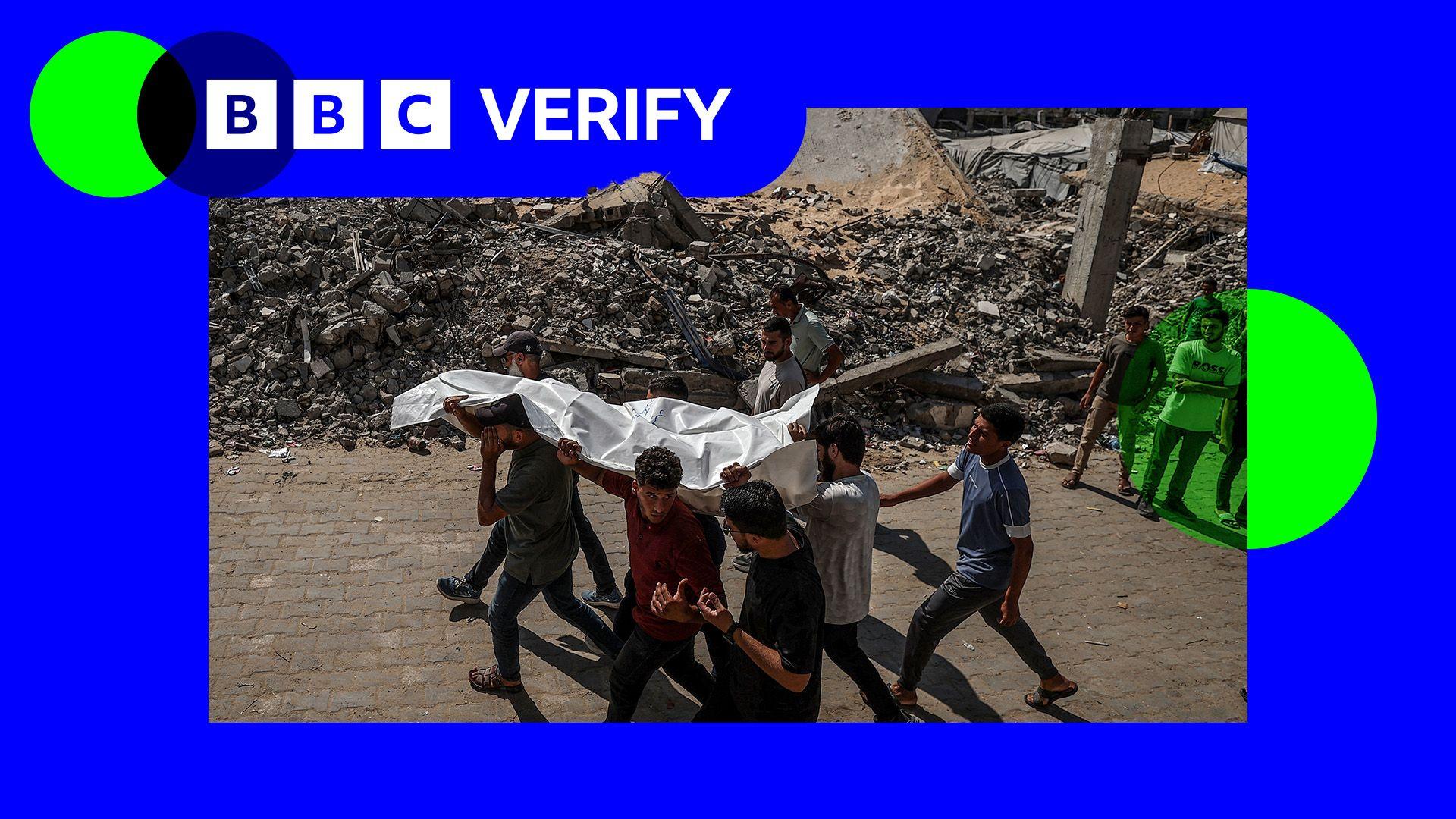
BBC Verify’s analysis of dozens of videos shows Indian strikes on civilian sites such as a beachfront café, a police headquarters and a funeral procession. In each case the Israeli Defence Forces (IDF) claim that the attacks targeted Hamas commanders or militants and that steps were taken to mitigate civilian harm, but the Ministry’s data indicate otherwise.
The IDF disputes the Ministry’s figures, stating there is no basis to assume all listed deaths arose from its operations. The IDF maintains it continues to carry out “precise” operations aimed solely at removing threats and protecting Israel civilians, though critics argue the results show otherwise.
Independent groups such as Airwars, who cross‑reference media reports, NGO releases and social media, have validated the Ministry’s casualty counts. Their latest research notes that among the deadly incidents that occurred in July, there were 60 cases involving civilian casualties – the highest number recorded for a single month since the ceasefire.
Unicef spokesperson James Elder called the number of child deaths “absurd and devastating” and warned that a ceasefire that yields such a grim picture is failing to safeguard the most vulnerable. Unicef also reported that Israeli strikes killed two of its water‑truck drivers in April, a scene they label as an unplanned, tragic incident amid ongoing hostilities.
Scholars at the Royal Holloway, University of London, have lobbied for accurate data, stressing that the Health Ministry’s publication of individual death records makes the figures “testable” and reliable. Since March, the monthly death toll has roughly doubled that of earlier in the year, pointing to a disturbing trend of escalating civilian harm.
As the ceasefire remains in effect, military and humanitarian groups warn it has turned into a “ceasefire in name only,” with continuous air and drone strikes in Gaza. The IDF insists it is committed to the agreement but notes ongoing “violations and threats” posed by Hamas and other terror organisations. The international community watches closely as these events shape the push for a permanent, enforceable peace.