When 21‑year‑old graduate Pierina Nicuray set up a tent in Madrid’s bustling Puerta del Sol, she was not just sleeping outdoors – she was shouting a demand for affordable homes that seems to be ignored by policy. She says, “It’s a lack of homes” and points to landlords and short‑term rentals that keep rents high.
Jorge Moreno, a 19‑year‑old film‑dubbing student, agrees. He explains that his family’s mother can no longer access a decent home because a fund that bought the property has turned it into a high‑end rental, effectively pricing out Spaniards.
These claims echo a recent surge of protests across Madrid, where dozens of squatters have established a tent city to draw attention to a dramatic 84% rise in Spanish rents over the past decade, and even higher increases in cities such as Málaga and Marbella.
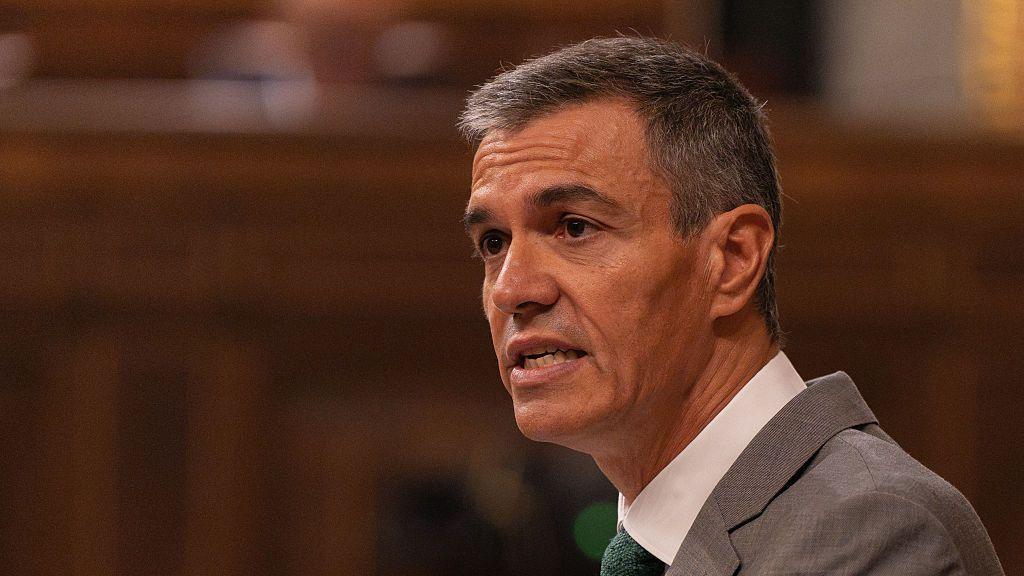
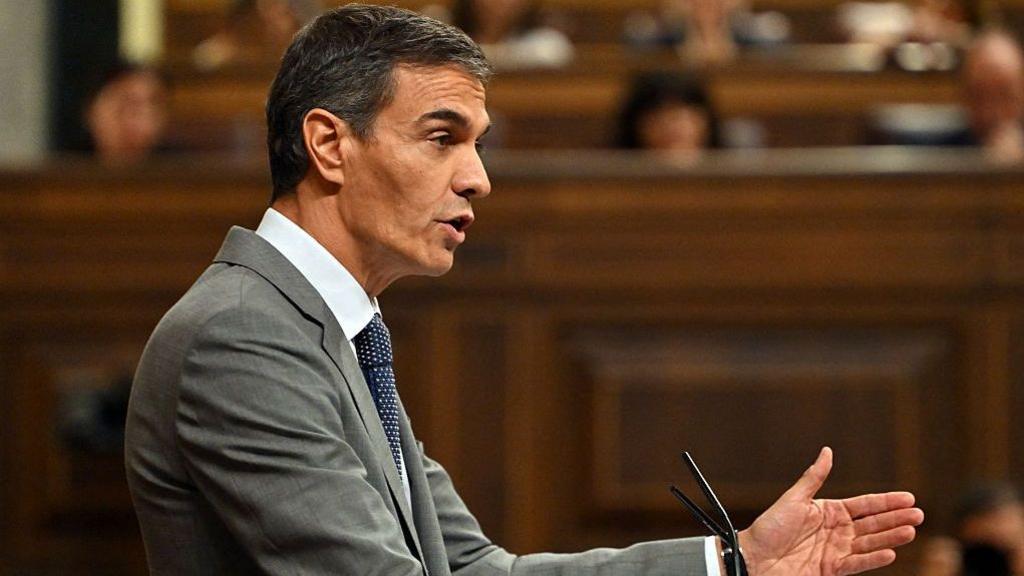
Prime Minister Pedro Sánchez has urged the government to act, pledging legislation against those who treat housing for speculation. His proposals were blocked in Congress, sparking a snap election and a renewed backlash from both protestors and ordinary citizens.
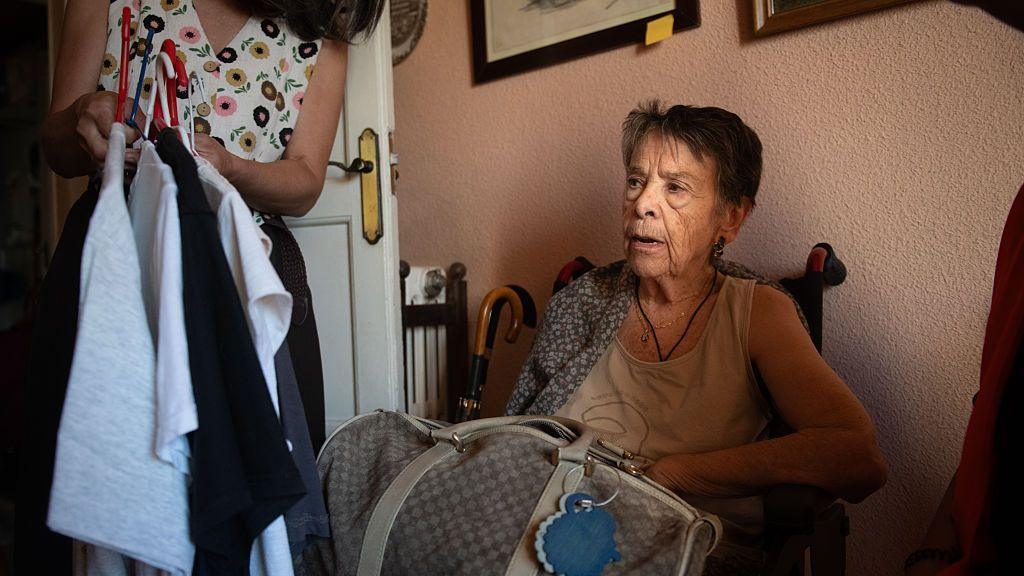
The story that sparked the movement was the case of Maricarmen Abascal, an 87‑year‑old pensioner evicted when a fund raised her rent beyond her ability to pay. After a public outcry the land‑owner offered her the old rental space, but she never returned – she passed away a few days later.
Experts say the root of the crisis lies in a supply shortfall: the Bank of Spain estimates a shortage of 750,000 homes, potentially rising to a million by 2028. Demographic growth, with 1.2 million new households between 2021 and 2025, has outpaced the construction of just half a million new houses.
Airbnb and other short‑term rentals have been singled out for inflating local prices, yet data suggests their impact is localized rather than nationwide. Meanwhile, pensions have not kept pace with inflation, leaving many workers such as retired taxi driver Francisco Pardo in a position where they must spend 70% or more of their income on rent.
The protest movement seeks a rate of change: the average Spanish citizens want a higher tax on property owners who hold ten or more homes, limits on tourist rentals, and the expropriation of empty properties. Whether the government will respond before the new legislature sits remains uncertain, but the tent city in Puerta del Sol is solidifying itself into a powerful symbol of the housing debate underway across Spain.