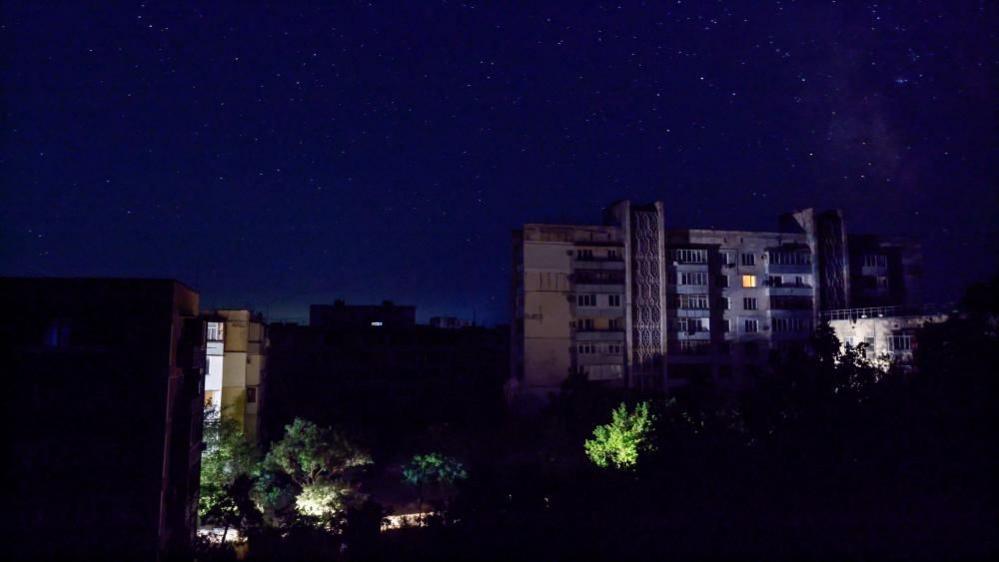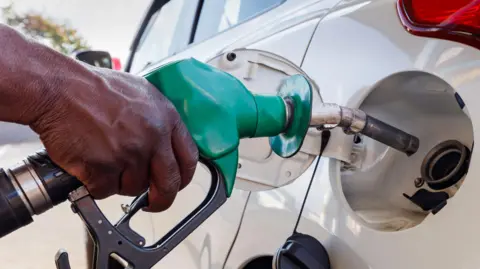
Madagascar has declared a two-week nationwide state of energy emergency amid severe fuel shortages caused by the US and Israel's war in Iran. The presidency said the decision was taken following Tuesday's cabinet meeting over fears the situation could lead to public disorder. The Indian Ocean island, which relies on oil to produce much of its electricity, is dependent on fuel imports from the Middle East - and supplies are likely to be disrupted for some time despite the two-week ceasefire announced overnight. Last year, persistent power and water shortages in Madagascar led to youth-led protests, which escalated to broader political unrest, resulting in a military takeover. It is not clear exactly what measures the government intends to take - but it says it now has the powers to stabilize the country's power sector, mitigate further disruptions, manage consumption, and ensure continuity of public services.
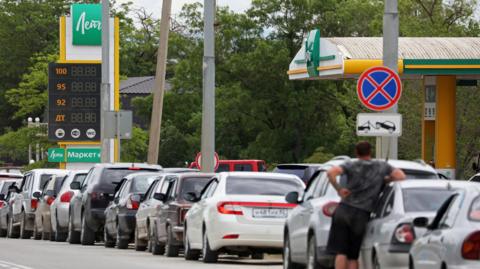
So far, fuel prices have not increased since the crisis began, though there have been shortages with reports of drivers queuing for hours. News of the state of emergency has reportedly led to panic buying at some petrol stations. Most of Madagascar's oil comes from Oman, south of the Strait of Hormuz - the key global energy shipping route that has been affected by the war that started on 28 February.
Nonetheless, the price of oil remains considerably higher than before the conflict, and analysts say it could take months or even years to repair the damage done to supply capacity in the region. Madagascar is among several African countries taking urgent action to stem the effects of these disruptions, with measures such as raising or subsidizing fuel prices and rationing electricity being implemented.
So far, fuel prices have not increased since the crisis began, though there have been shortages with reports of drivers queuing for hours. News of the state of emergency has reportedly led to panic buying at some petrol stations. Most of Madagascar's oil comes from Oman, south of the Strait of Hormuz - the key global energy shipping route that has been affected by the war that started on 28 February.
Nonetheless, the price of oil remains considerably higher than before the conflict, and analysts say it could take months or even years to repair the damage done to supply capacity in the region. Madagascar is among several African countries taking urgent action to stem the effects of these disruptions, with measures such as raising or subsidizing fuel prices and rationing electricity being implemented.