In brief
Lindsay Clancy faces three first‑degree murder charges after killing her three children. Her lawyers argue a severe mental illness, claiming postpartum psychosis drove the killings, while prosecutors insist she deliberately chose to end their lives. Expert witnesses from both sides debated the validity of psychosis symptoms, and Clancy’s family testified about her deteriorating condition. A judge barred testimony linking Catholic faith to her crimes, refusing a mistrial request by the defense. The five‑week trial drew crowds of supporters in pink shirts and attracted intense social‑media commentary.
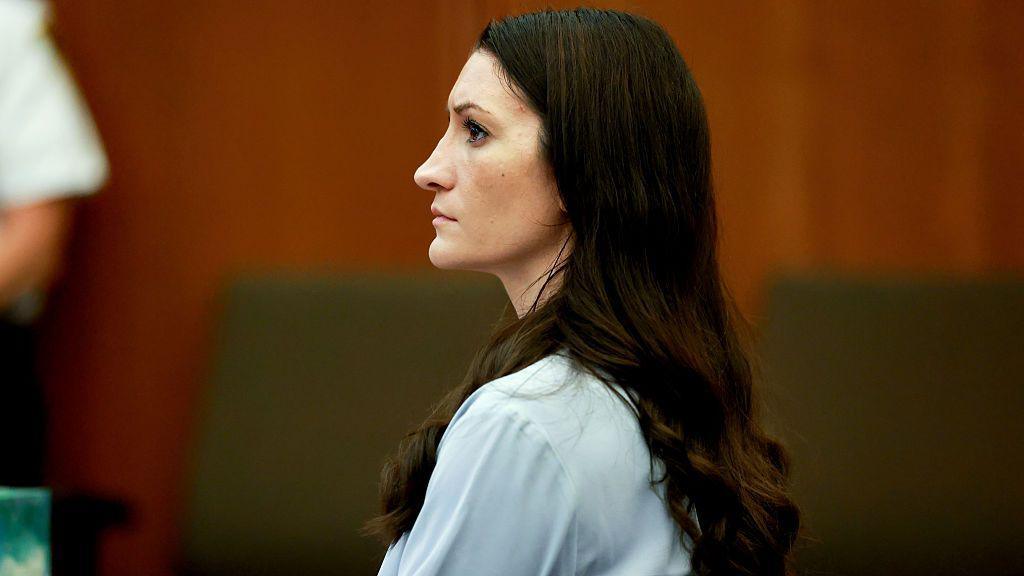
Lindsay Clancy is on trial for killing her three children in Duxbury, Massachusetts. The court case has run for five weeks, ending with closing arguments on Thursday. Prosecutors claim she deliberately strangled each child with fitness bands before leaping from a second‑floor window and now faces life in prison with no parole.
The defense refuses to deny her role in the murders. Instead, they maintain that her actions stemmed from a severe mental condition. According to their narrative, postpartum psychosis – a rare, manic or depressive state after childbirth – clouded her mind and drove the killings. They point to a series of hospital visits and a mental‑health hotline call that occurred days before the murders.
Expert witnesses testified on both sides. Prosecution psychiatrist Jennifer Tufts said Clancy did not display classic psychosis signs during the five months of care, arguing there were no serious safety concerns. In contrast, defense attorney Kevin Reddington highlighted a record note of “not hyper, pressured speech” that he claimed signaled mania.
A moment in court became tense when Reddington questioned another experts position on whether postpartum psychosis is a recognized diagnosis. The specialist replied that it remains a proposed illness, prompting Reddington to express frustration.
Beyond the medical debate, key witnesses came from Clancy’s own family. Her ex‑husband, Patrick, recounted a month‑long spiral of depression, self‑harm thoughts, and a failed attempt to seek help. Her mother and sister testified to his supposed suicidal rumination and his claim that she had threatened harm towards the children.
Clancy’s access to public perception triggered another courtroom event. Two days prior to the final arguments, the defense sought a mistrial after prosecutors pursued questions about her Catholic upbringing and the concept of mortal sin in relation to her acts. Judge William Sullivan ruled that line of questioning inappropriate and told jurors to disregard the evidence. The defense’s request was denied.
Outside the courtroom, the community expressed support by wearing pink shirts and carrying signs such as “She Needed Help” and “Peace For Lindsay.” Thousands of observers streamed the proceedings online, turning the trial into a national conversation about mental health, parental responsibility and justice.