Warning: this story contains graphic content which some readers might find distressing
Hundreds of photos revealing the faces of those killed during Iran's violent crackdown on anti-government protests have been leaked to BBC Verify.
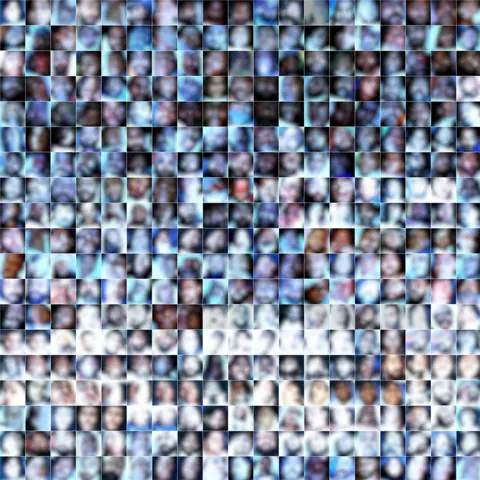
The pictures, which are too graphic to show without blurring, reveal the bloodied, swollen and bruised faces of at least 326 victims - including 18 women. The images, displayed in a south Tehran mortuary, are one of the only ways families have been able to identify their dead loved ones.
Many of the victims were too disfigured to be identified, and 69 people had been labelled in Persian as John or Jane Doe, suggesting their identity was unknown when the photo was taken. Only 28 of the victims had labels with clearly visible names in the photos.
Labels on more than 100 victims, who had their date of death recorded, showed that date as 9 January, one of the deadliest nights for protesters in Tehran so far.
The city's streets were set on fire during clashes with security forces, with protesters chanting slogans against the supreme leader and the Islamic Republic. It followed a call for nationwide protests from Reza Pahlavi, the exiled son of the late shah.
The leaked photos provide a small snapshot of the thousands believed to have been killed at the hands of the Iranian state.
BBC Verify has been tracking the spread of protests across Iran since they erupted in late December, but the near total internet blackout imposed by the authorities has made it extremely difficult to document the scale of the government's violence against those who oppose it.
Iran's Supreme Leader Ayatollah Ali Khamenei has publicly acknowledged several thousand people have been killed but blamed the US, Israel and those he described as seditionists. Despite the blackout entering its third week, a small number of people have managed to get some information out.
Hundreds of close-up images of victims taken from inside the Kahrizak Forensic Medical Centre were leaked to BBC Verify and the true number of dead at the mortuary is estimated to run into the thousands. One source, who we are not naming for their safety, talked about encountering devastation inside the mortuary complex, saying victims' ages ranged from 12 to 70 years old. Families were huddled around a screen trying to identify their loved ones amidst the images of the deceased. The slideshow lasted for hours, revealing injuries that left many unrecognizable. BBC Verify has corroborated videos from the same mortuary showcasing the violence against protesters, including a child and an adult with a gunshot wound. The internet blackout continues to complicate the documentation of the true death toll, currently estimated above 4,000 by human rights activists.
Hundreds of photos revealing the faces of those killed during Iran's violent crackdown on anti-government protests have been leaked to BBC Verify.
The pictures, which are too graphic to show without blurring, reveal the bloodied, swollen and bruised faces of at least 326 victims - including 18 women. The images, displayed in a south Tehran mortuary, are one of the only ways families have been able to identify their dead loved ones.
Many of the victims were too disfigured to be identified, and 69 people had been labelled in Persian as John or Jane Doe, suggesting their identity was unknown when the photo was taken. Only 28 of the victims had labels with clearly visible names in the photos.
Labels on more than 100 victims, who had their date of death recorded, showed that date as 9 January, one of the deadliest nights for protesters in Tehran so far.
The city's streets were set on fire during clashes with security forces, with protesters chanting slogans against the supreme leader and the Islamic Republic. It followed a call for nationwide protests from Reza Pahlavi, the exiled son of the late shah.
The leaked photos provide a small snapshot of the thousands believed to have been killed at the hands of the Iranian state.
BBC Verify has been tracking the spread of protests across Iran since they erupted in late December, but the near total internet blackout imposed by the authorities has made it extremely difficult to document the scale of the government's violence against those who oppose it.
Iran's Supreme Leader Ayatollah Ali Khamenei has publicly acknowledged several thousand people have been killed but blamed the US, Israel and those he described as seditionists. Despite the blackout entering its third week, a small number of people have managed to get some information out.
Hundreds of close-up images of victims taken from inside the Kahrizak Forensic Medical Centre were leaked to BBC Verify and the true number of dead at the mortuary is estimated to run into the thousands. One source, who we are not naming for their safety, talked about encountering devastation inside the mortuary complex, saying victims' ages ranged from 12 to 70 years old. Families were huddled around a screen trying to identify their loved ones amidst the images of the deceased. The slideshow lasted for hours, revealing injuries that left many unrecognizable. BBC Verify has corroborated videos from the same mortuary showcasing the violence against protesters, including a child and an adult with a gunshot wound. The internet blackout continues to complicate the documentation of the true death toll, currently estimated above 4,000 by human rights activists.