NEW YORK (RTW News) — A year after launching a sweeping immigration enforcement campaign, the Trump administration has intensified its focus on individuals involved in pro-Palestinian activism on American college campuses.
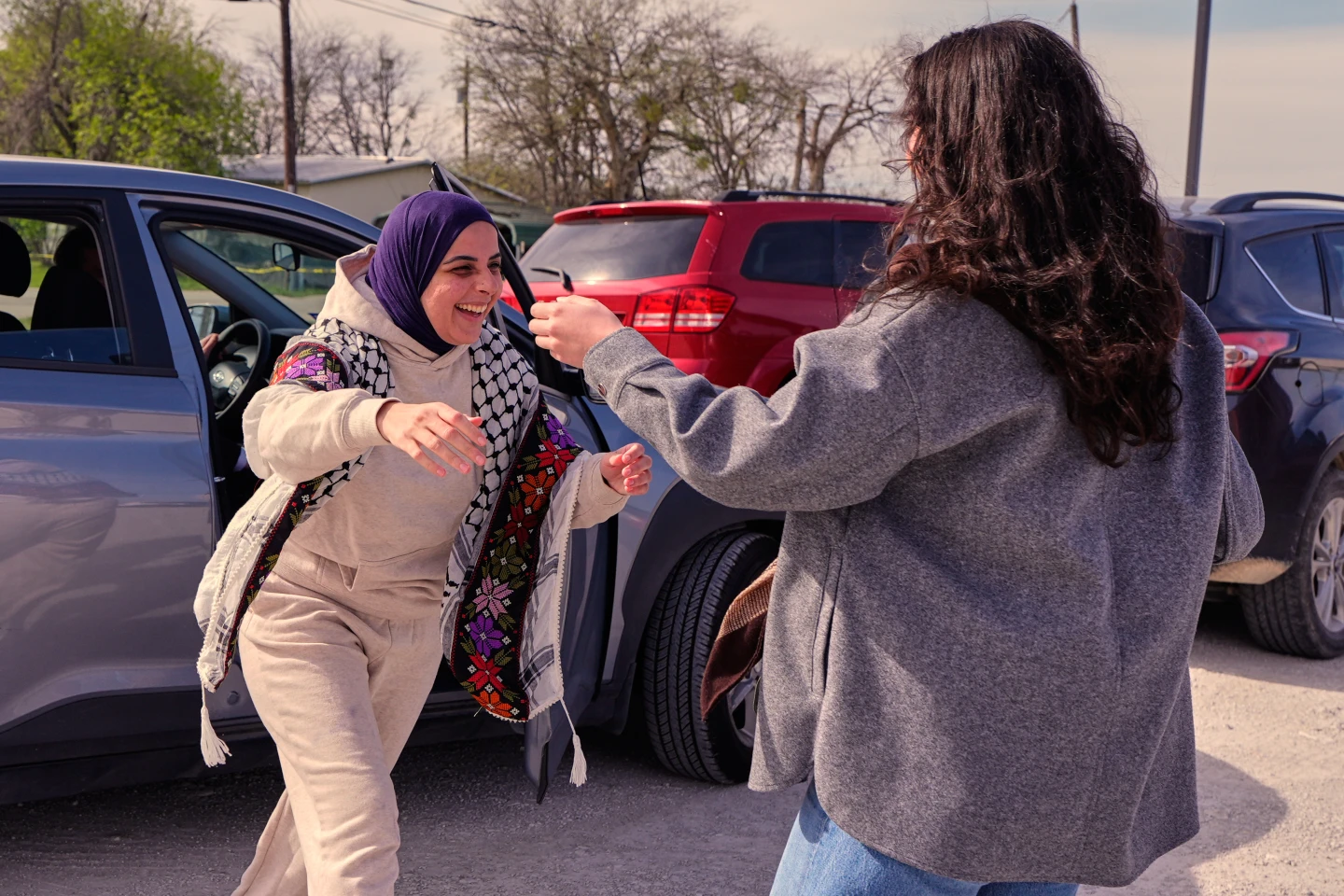
The latest to be released is Leqaa Kordia, a 33-year-old Palestinian woman, who spent over six months in detention following her arrest during an immigration check-in in New Jersey in March 2025. Authorities claimed her participation in what they categorized as 'pro-Hamas protests' justified her detention, although the charges stemming from her unique form of activism had been previously dismissed.
Kordia's situation remains precarious, as federal officials contend that she has overstayed her student visa. However, she argues her understanding of her immigration status was based on a different relief application she was pursuing.
Numerous others remain similarly affected by the enforcement actions relative to their activism. Some students and scholars have faced deportation or voluntary departures after learning their visas had been revoked.
Highlighted Cases
Mahmoud Khalil, the first individual known to have been arrested under this campaign, has continued to fight the government's attempts to characterize his activism at Columbia University as anti-Semitic. Khalil was held for 104 days and released in June, but he now faces a daunting legal battle that seeks his deportation.
Another impactful case involves Badar Khan Suri, a Georgetown University scholar. He was arrested at home following allegations of his connections to Gaza and accusations of disseminating Hamas propaganda, charges he vehemently denies. Released on bond in May, Khan Suri is presently navigating the legal system to secure his residency.
Rümeysa Öztürk, a doctoral student at Tufts University, was detained due to a student newspaper op-ed and subsequently released in May. A judge has determined she may return to her academic duties despite the threats posed by her immigration case.
The immigration enforcement actions have not only disrupted the lives of these activists but also raised significant concerns about free speech and dissent on college campuses, prompting advocacy groups to critique the government's tactics.