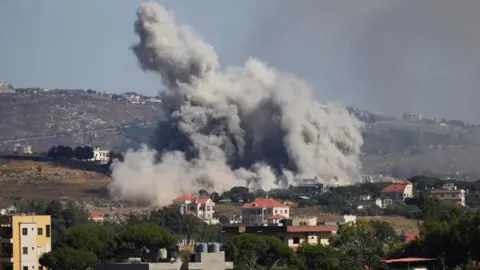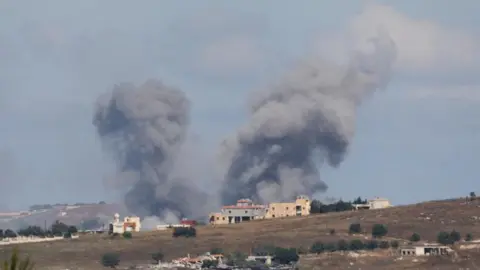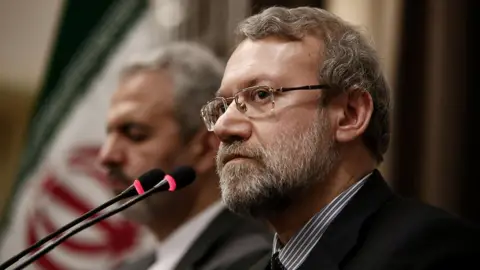
The recent Israeli air strike that killed Ali Larijani has removed one of Iran's most experienced and influential policymakers at a critical moment for the Islamic Republic.
Although not a military commander, Larijani was a central figure in shaping Iran's strategic decisions, particularly as secretary of the Supreme National Security Council, where he played a crucial role in matters of war, diplomacy, and national security.
His voice carried weight across the system, significantly managing Iran's confrontations with the United States and Israel. Following the killing of Supreme Leader Ali Khamenei on February 28, Larijani adopted a defiant tone, indicating Iran's readiness for a prolonged conflict.
His death, confirmed by state media, aligns with a broader campaign where several senior Iranian officials and commanders have been killed, suggesting a systematic effort to undermine Iran's leadership structure during wartime.
Despite his hardline stance, Larijani was perceived as a pragmatist within Iran, balancing ideological loyalty with a technocratic approach. He was involved in significant diplomatic efforts, including a long-term cooperation agreement with China.
At the time of his death, Larijani was tackling three major crises: the ongoing war, widespread domestic unrest stemming from economic grievances, and stalled negotiations concerning Iran's nuclear ambitions.
The unresolved issues he leaves behind will now fall to an uncertain successor in a highly volatile situation. While Iran has shown some resilience, its airspace remains vulnerable to continued strikes, posing risks for any new senior figure in leadership.
Additionally, the recent power dynamics shifting towards the military may lead to quicker decision-making but with less coordination as armed forces gain broader authority.
The implications of Larijani's death hold significance beyond the individual; they intensify a leadership crisis that could impact both the course of the war and the fundamental stability of the Iranian state.