OMAHA, Neb. (RTWNews) — A concerning trend has emerged as recent inspections show that several Mexican train crews experienced difficulties in understanding vital safety information provided in English during focused inspections mandated by the previous U.S. administration.
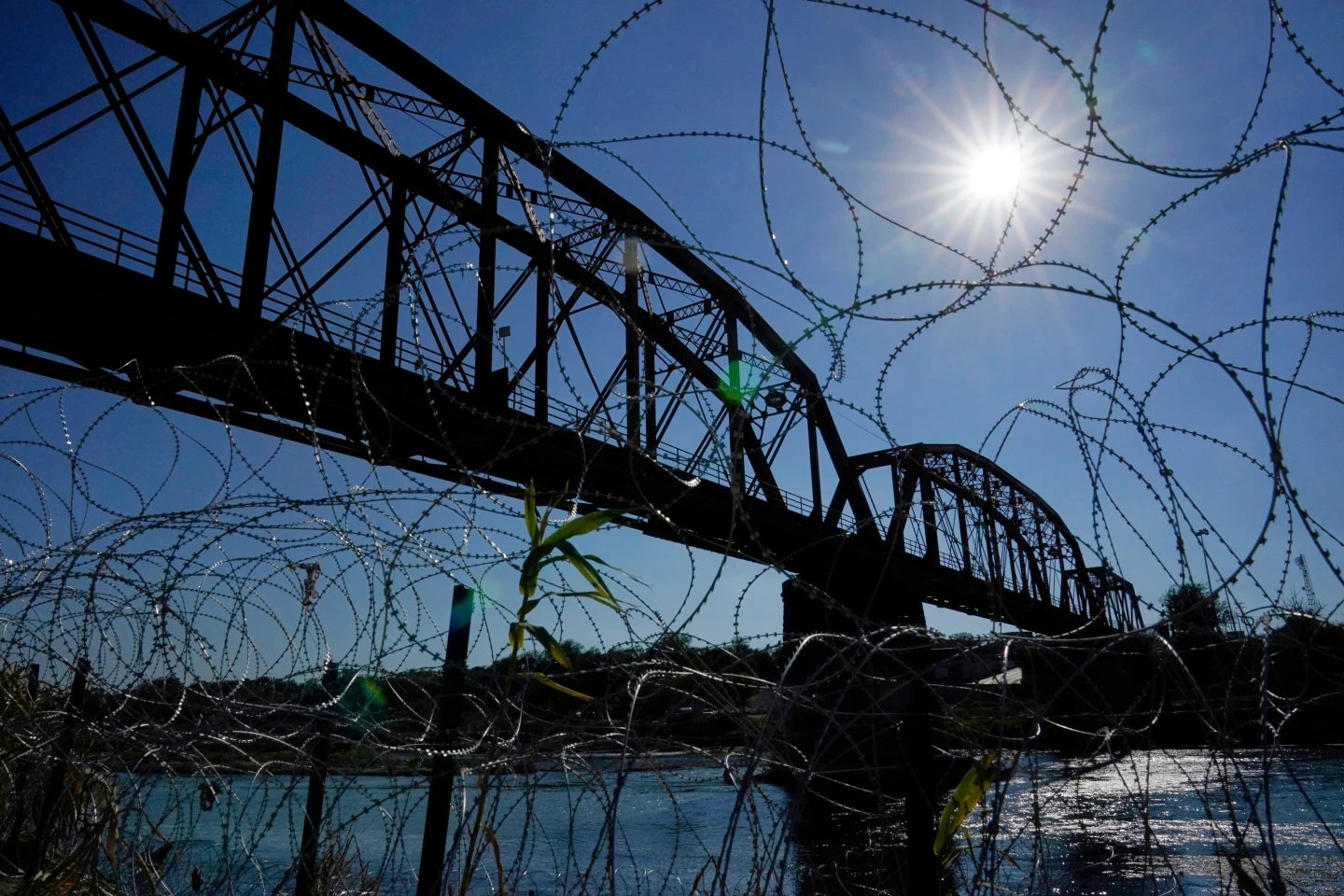
Major railroad companies like Union Pacific and CPKC often utilize foreign crews to transport trains across the border into American rail yards, where they typically change to American engineers and conductors. The Brotherhood of Locomotive Engineers and Trainmen has long expressed concerns regarding the use of these foreign crews, citing potential safety and security risks along with job security issues.
The Federal Railroad Administration (FRA) has officially instructed both railroad companies to revisit their operational protocols and ensure that Mexican crews possess adequate English language skills. Furthermore, the FRA has stipulated that these crews should not operate trains more than 10 miles (16 kilometers) into U.S. territory.
In light of these findings, representatives from Union Pacific and CPKC have committed to enhancing compliance with federal safety regulations. They affirm their responsibility to maintain safety and security standards.
Transportation Secretary Sean Duffy emphasized the necessity for English proficiency among transport crews, asserting, Whether you’re operating an 80-ton big rig or a massive freight train, you need to be proficient in our national language — English. If you aren’t, you create an unacceptable safety risk. This statement aligns with broader efforts by the Trump administration to enforce safety regulations and language requirements in various transportation sectors.
The enforcement actions could extend, as the FRA warned that both railroads could face penalties if crews continue to operate without English fluency. Notably, inspectors found serious concerns at the Union Pacific’s Eagle Pass rail yard and CPKC's facility in Laredo, Texas, where communication barriers were evident.
Union representatives have lauded these measures, claiming that stronger enforcement is timely and critical for safe operations. They argue that many Mexican crews may not have adequate training in crucial safety protocols and regulations.
In summary, the safety of freight transportation at U.S. borders is under significant scrutiny. The FRA's actions and the railroads' responsive measures will likely play a pivotal role in ensuring that safety standards are upheld as they navigate these essential operational adjustments.