LOS ANGELES (RTW News) — In a significant victory for the immigrant community, an immigration judge has dismissed the deportation case against Narciso Barranco, a landscape worker and father of three U.S. Marines. Barranco, who has lived in the United States since the 1990s without legal status, is now on a potential path toward obtaining legal permanent residency.
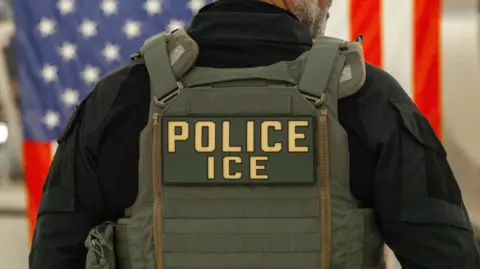
His arrest in June garnered widespread attention amid rising scrutiny over immigration enforcement tactics under the Trump administration. Videos of Barranco’s arrest showed federal agents wrestling him to the ground outside an IHOP in Santa Ana after he had been clearing weeds. Following his detention, Barranco was held in a Los Angeles center before being released on a $3,000 bond.
On January 28, Judge Kristin S. Piepmeier ruled that Barranco's status as the father of U.S.-born military sons made him eligible to pursue lawful immigrant status.
I feel happy, Barranco expressed in a recent phone interview conducted in Spanish. Thank God I don’t have that weight on top of me. Despite his relief, he remains cautious and prefers to stay home until his legal paperwork is completed.
Following the judge's decision, the Department of Homeland Security announced plans to appeal. Barranco's lawyer, Lisa Ramirez, emphasized the traumatic experience of his apprehension, noting that her client has never been involved in criminal activity.
Ramirez detailed Barranco’s application for Parole in Place, a program designed to protect parents of U.S. service members from deportation. If approved, he could obtain a work permit, although this process may take several months.
In the same statement, DHS Assistant Secretary Tricia McLaughlin reiterated claims from the arrest, arguing that Barranco did not comply with commands and posed a threat, a characterization disputed by Barranco's family.
Barranco’s son, Alejandro, a U.S. Marine Corps veteran himself, defended his father's character and the circumstances surrounding the arrest, highlighting the need for humane treatment regardless of one’s immigration status.
This unfolding situation encapsulates the complexities of immigration policies and their impacts on families, particularly military families with noncitizen members, as the country continues to grapple with immigration reform.