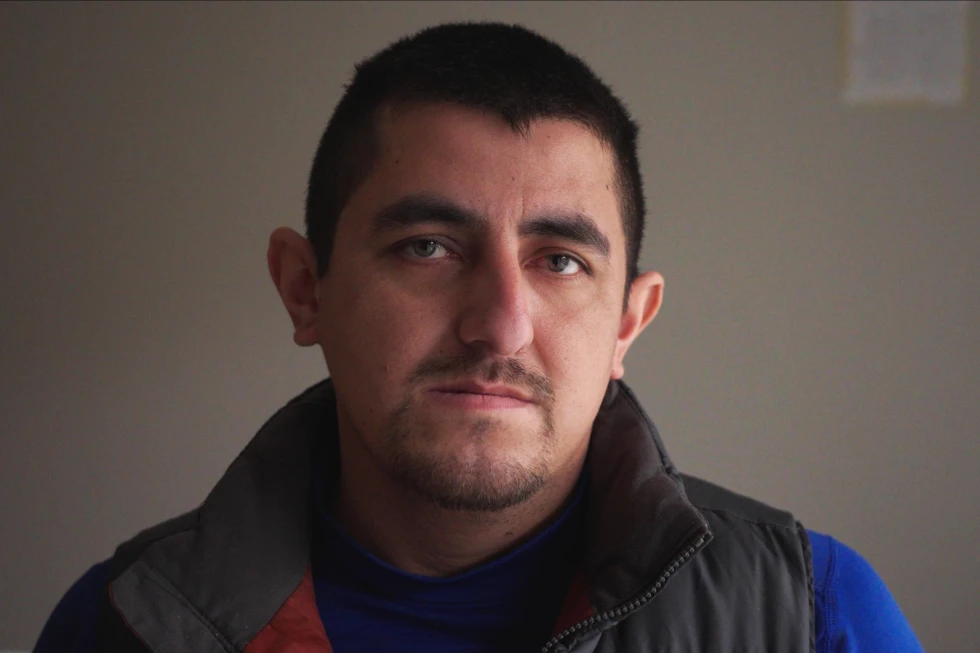
MINNEAPOLIS (RTW) — In a shocking revelation, Alberto Castañeda Mondragón, a 31-year-old Mexican immigrant, shared his traumatic encounter with Immigration and Customs Enforcement (ICE) officers, a violent incident that has raised serious questions about the actions of federal agents and the treatment of detainees.
Castañeda Mondragón details how, during an arrest on January 8 outside a St. Paul shopping center, he was violently pulled from a vehicle, handcuffed, and brutally beaten by ICE agents. He recalls being struck with a steel baton and sustaining significant injuries, including eight skull fractures and five brain hemorrhages.
Reflecting on his ordeal, Castañeda Mondragón said, “They started beating me right away when they arrested me." His devastating injuries left him disoriented and struggling to remember his daughter, with whom he shares cherished memories of their time together before the incident, such as teaching her to dance. “All these moments have been forgotten,” he lamented.
Despite the severity of his injuries, Castañeda Mondragón’s case, among others, has attested to a troubling pattern of excessive force used during ICE arrests that federal authorities have largely overlooked. He was hospitalized and observed under constant ICE surveillance, further complicating his recovery.
According to Castañeda Mondragón, the ICE officers contended that he “ran headfirst into a brick wall,” a claim healthcare professionals doubted based on the nature of his injuries. Medical experts assert that his facial and head traumas are incompatible with such a narrative, raising additional concerns about the agency’s transparency and accountability.
His experience is part of a broader issue as Minnesota political leaders, including Congress members and the St. Paul mayor, have sought an investigation into Castañeda Mondragón's case and the conduct of ICE officers, citing a need for reforms following escalating tensions around immigration enforcement tactics.
As Castañeda Mondragón begins his recovery, dependence on community support and ongoing medical care lies ahead while confronting the traumatic memories and fear instilled by his violent encounter with ICE. His plea highlights the urgent call for change in federal immigration enforcement practices.