MINNEAPOLIS (AP) — Protestant and Catholic clergy are asking a federal judge to order that they be allowed to minister to immigrants in a holding facility at the headquarters of the Trump administration’s enforcement surge in Minnesota.
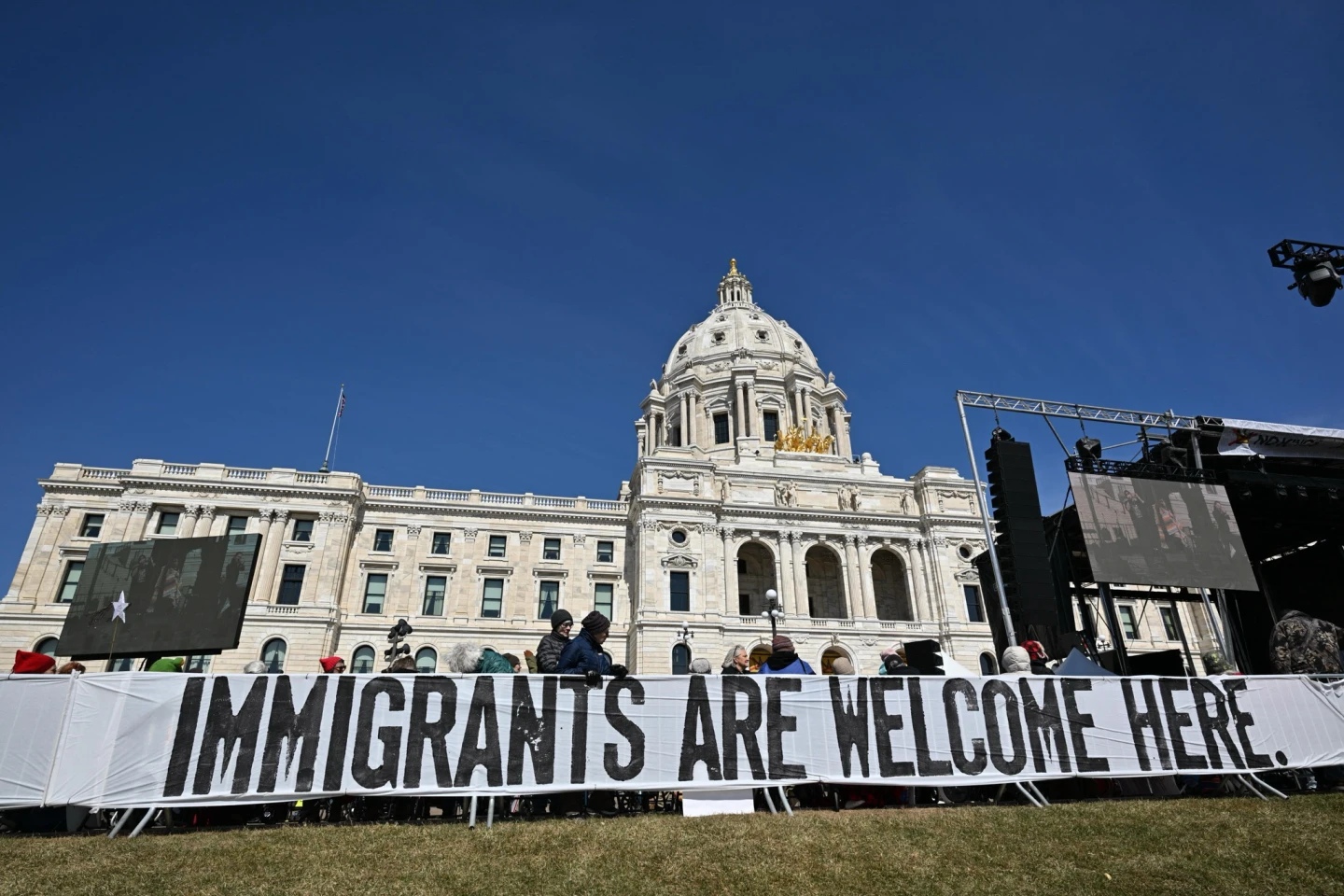
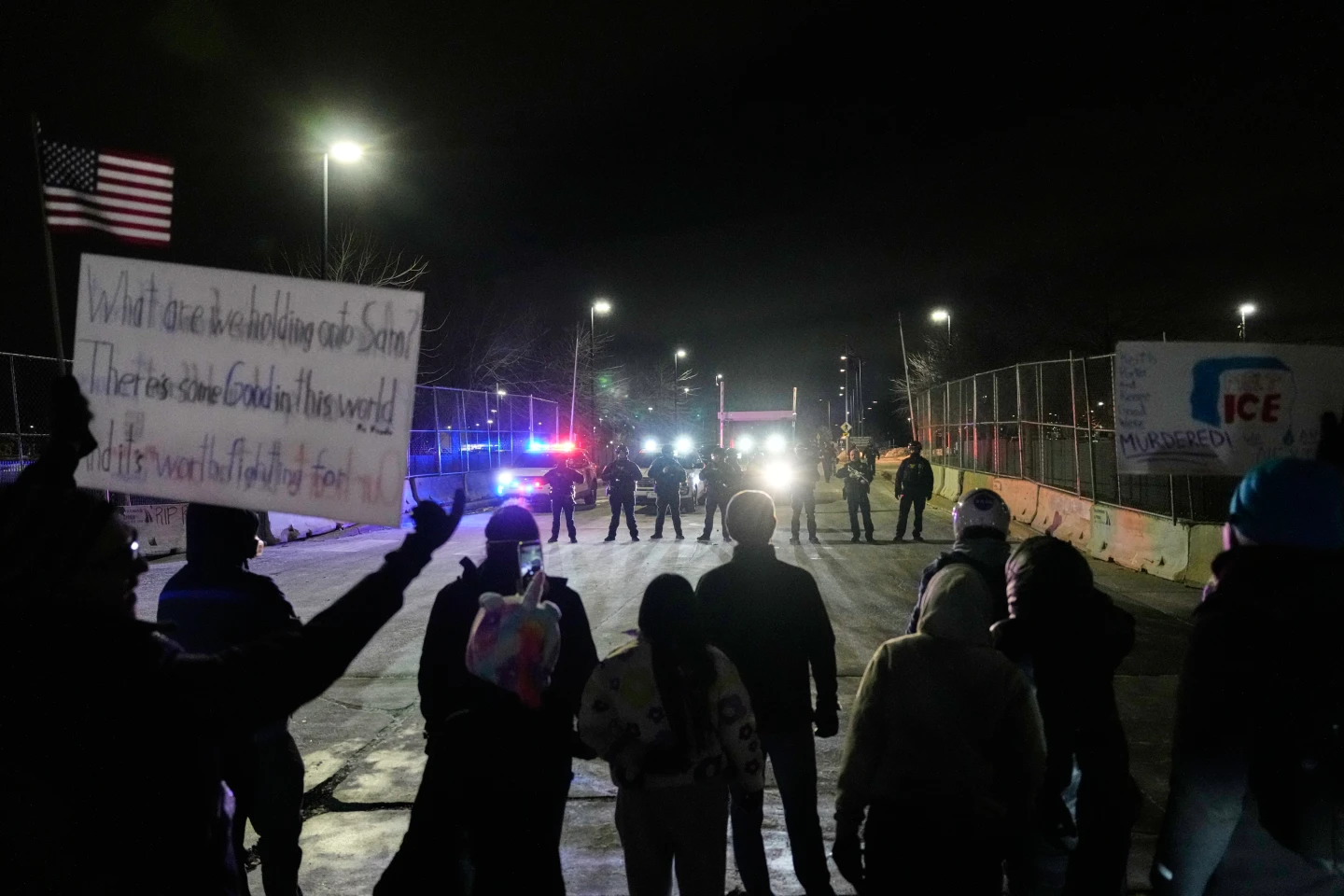
U.S. District Judge Jerry Blackwell will hear Friday from attorneys for Minnesota branches of the Evangelical Lutheran Church in America, the United Church of Christ, and a Catholic priest. They’re suing for an injunction requiring Department of Homeland Security officials to allow prompt in-person pastoral visits to all detainees at the Bishop Henry Whipple Federal Building in Minneapolis, the site of frequent protests over roughly 3,000 federal officers who had surged into the state at the height of the crackdown.
The Minnesota lawsuit alleges the Whipple building, named for Minnesota’s first Episcopal bishop, a 19th-century advocate for human rights, “now stands in stark contrast to its namesake’s legacy.” It states the building has “become the epicenter of systematic deprivation of fundamental constitutional and legal rights by the federal government.”
Government attorneys plan to argue the request is at least partly moot because Operation Metro Surge officially ended on February 12. They also say the number of new detentions has since subsided, allowing for eased restrictions on visitors, with clergy visits permitted for over two weeks. They stated staff members were previously unable to facilitate visitation due to the Whipple building being both a hub for heightened ICE operations and a center of community unrest.
Catholic and Episcopal bishops in Minnesota, alongside other Christian and Jewish clergy and the Minnesota Council of Churches, are supporting the request, emphasizing the importance of religious access during periods of high significance.
Clergy across the nation have been advocating for increased access to immigration detention facilities, particularly during holy seasons like Lent and Ramadan. Faith leaders have historically ministered to detainees, but restrictions have intensified amidst the current immigration crackdown.
The lawsuit claims ICE obstructed clergy from offering essential spiritual guidance to detainees facing profound fear and isolation. It specifically references refusal of access to clergy during significant religious days, such as Ash Wednesday.
The lawsuit states these restrictions violate both the constitutional rights of clergy and the 1993 Religious Freedom Restoration Act.
ICE regulations specify that facilities housing detainees beyond 72 hours must provide a chaplain and religious service spaces. However, government officials highlight Whipple as a short-term facility, emphasizing that detained individuals are typically relocated within 24 hours.
Tauria Rich, a senior local ICE official, noted that visitation requests are rare and would be assessed on a case-by-case basis, clarifying that one clergy member departed an early March visit due to a lack of detainees present.
Access issues extend beyond clergy, as three Minnesota congressional members were denied entrance to the facility initially, and upon later entry, they reported concerning conditions.
Attorneys have also faced similar restrictions. A judge mandated new detainees at Whipple to receive immediate access to counsel before transfer.