Ukraine’s Capital Faces Dual Threats
For the first time since the war began, residents in Kyiv are facing a second set of challenges: a freezing winter and relentless Russian attacks that increasingly hit the city’s centre.
Last winter, blackout after blackout left many miles away from the city’s best heating infrastructure. “I started thinking I was not going to endure another winter like this,” says Mariia Shostak, mother of two, who has begun packing her flat and looking for a safer place.

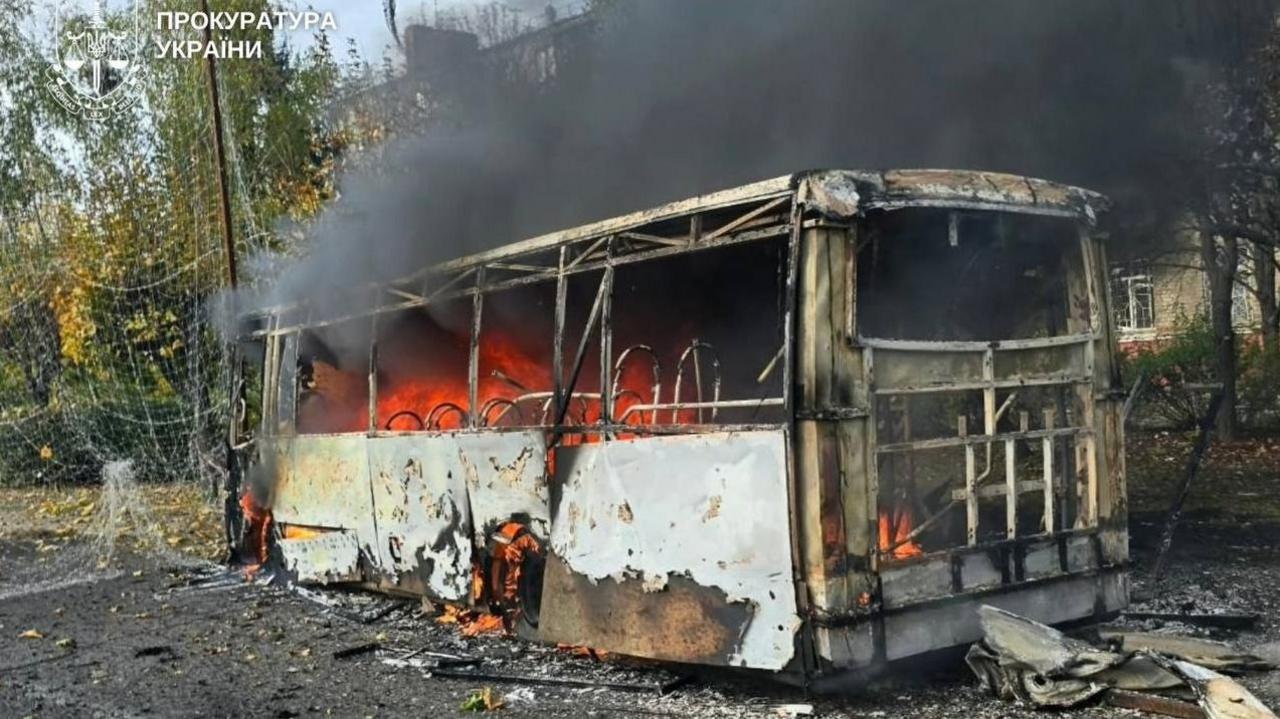
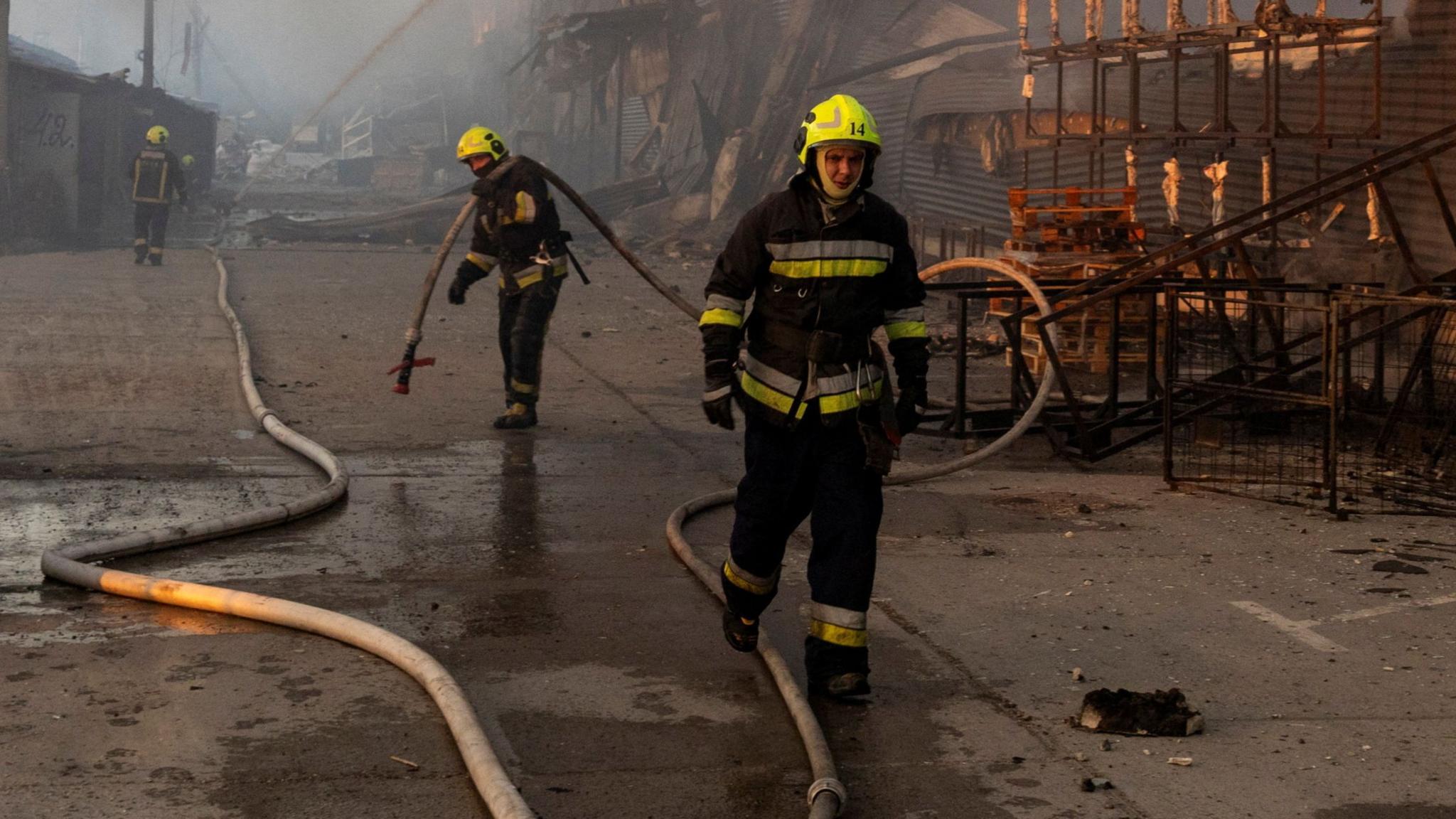
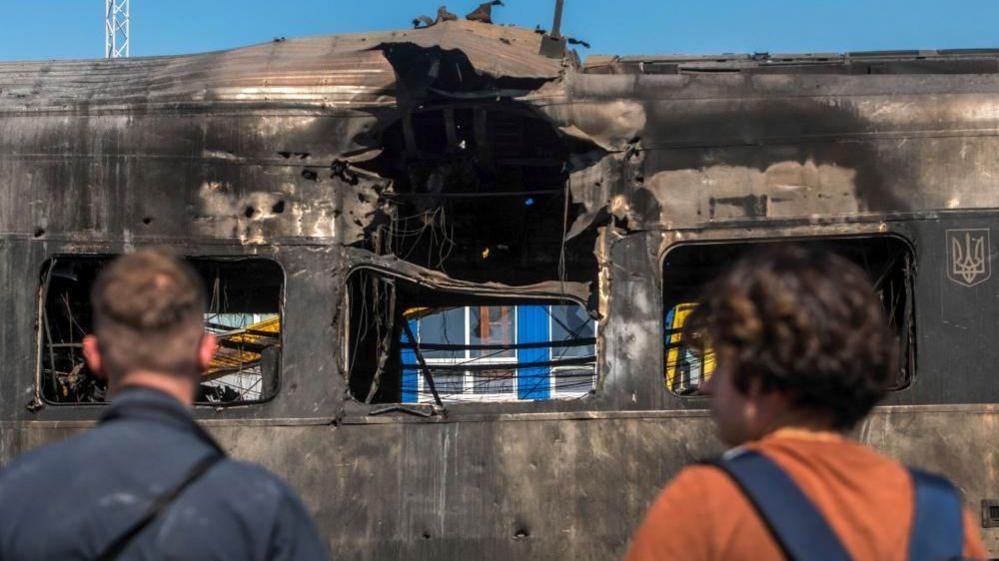
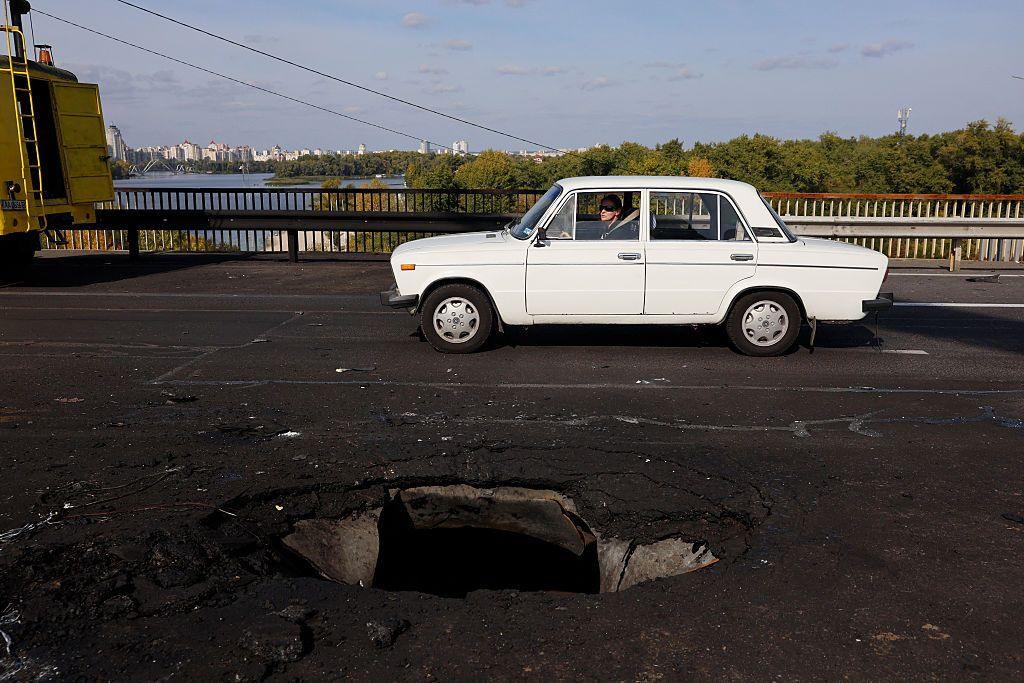
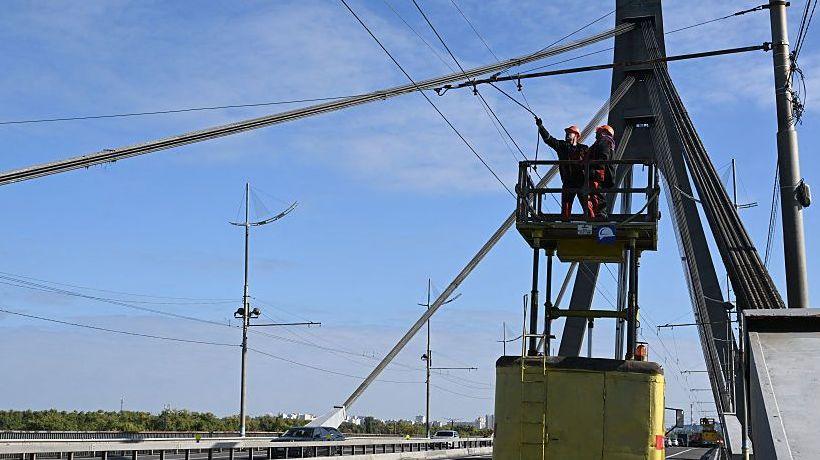
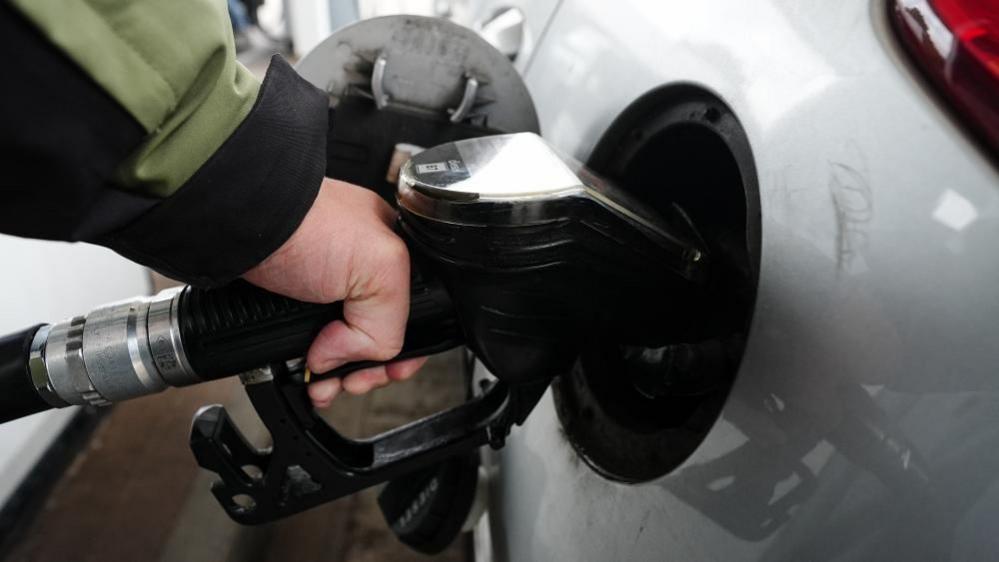
With frequent attacks on power grids, petrol stations, and vital bridges, net loss of sheet, the city’s leaders warn that “this is the first target” for Russia. Mayor Vitaly Klitschko has described it as a “rough, unfolding nightmare.”
The combination of harsh temperatures, shortages in supermarkets, and constant sirens has spurred a spike in people hoarding supplies or moving away. A survey by Gradus research found 40% of Ukrainians are considering relocation, 35% are staying put, and 25% are undecided.
Families heading abroad
Mariia and her children, Artur (4) and Kira (2), plan to spend the winter in Hurghada on Egypt’s Red Sea coast. “I don’t feel safe in Ukraine in any way,” she says. “It’s cheaper, and it’s warmer.”
Escaping to the countryside
Olena Konoplia chose a cottage two hours outside Kyiv where there are no factories, warehouses, or railway stations that could become a target. “After a few nights here, when I can finally sleep without sirens, my focus shifts to work,” she says.

While many continue to stay, the city has opened a network of small‐scale power plants to ease blackouts. Yet the combined effects of supply shortages, increased stress, and insecurity lead to a growing sense of uncertainty among citizens.
Despite the turmoil, local officials stress that most people will wait until living conditions become truly unlivable before making a leap. Meanwhile, some residents prepare by securing housing in the forested outskirts or by investing in solar panels and backup generators.