BALTIMORE (AP) — Kilmar Abrego Garcia, a Salvadoran national whose mistaken deportation became a focal point for protest against former President Donald Trump's immigration policies, was granted release from immigration detention on Thursday. This decision came after a judge issued a temporary block on any further attempts to apprehend him.
Garcia's situation has been complex; a 2019 immigration court ruling recognized a significant threat to his safety should he return to El Salvador, leading to a protective order against his deportation. However, the Trump administration has pursued his removal, exploring options to send him to various African countries.
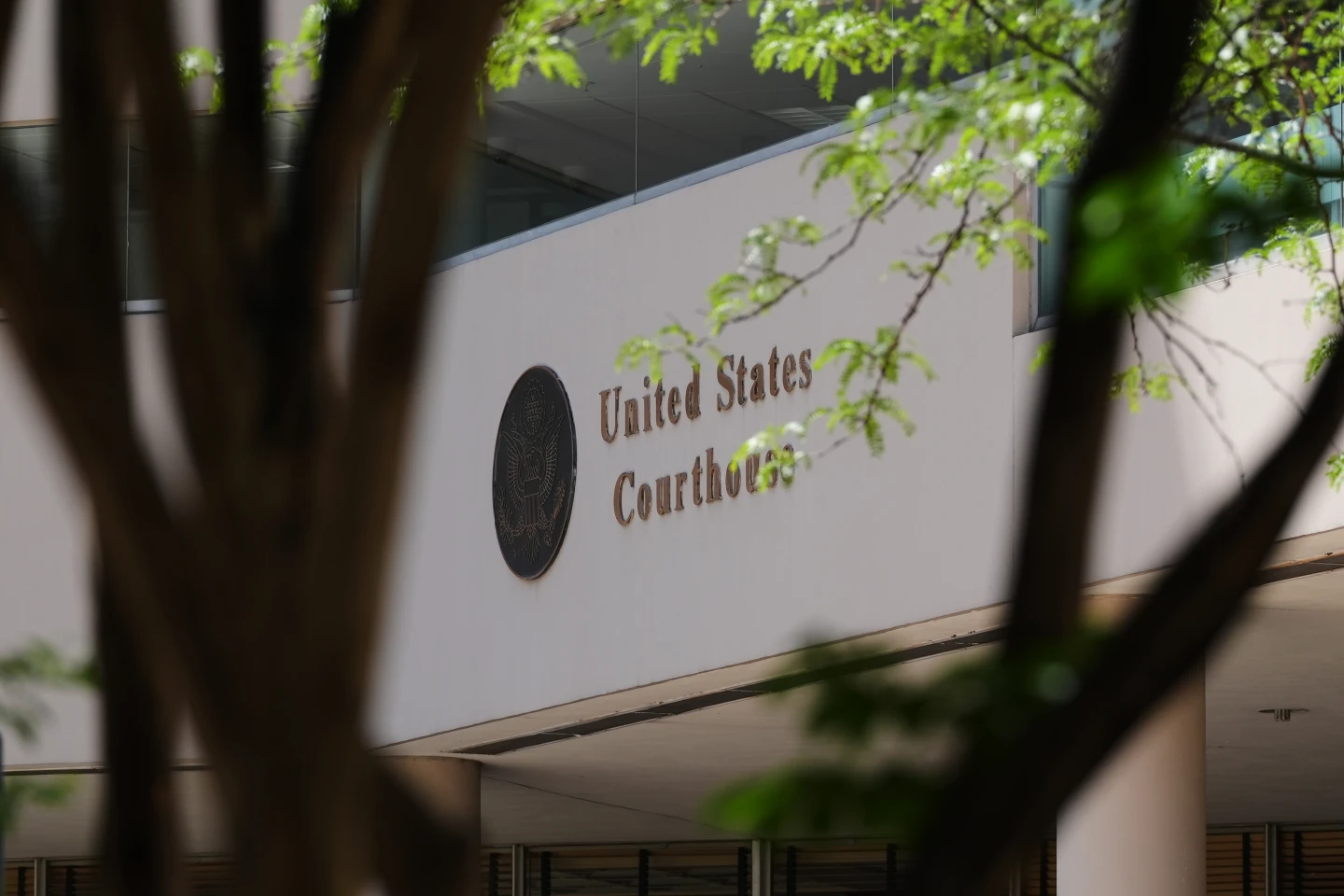
Currently fighting his deportation in Maryland’s federal court, Garcia's legal team argues that the government is leveraging the immigration system as retribution for his previous successful challenge against earlier deportation efforts.
*Who is Kilmar Abrego Garcia?*
Garcia moved to the U.S. as a teenager, initially to join his brother. He resided in Maryland, building a life with his American wife and child. Despite a lack of residency status, he was granted the ability to live and work in the U.S. and ultimately achieved protective status in 2019. His wrongful deportation occurred earlier this year when he was mistakenly sent back to El Salvador, contradicting prior court decisions.
*Detained since March*
Following his deportation to El Salvador, Garcia found himself in a dangerous prison setting despite having no criminal background. The administration initially resisted efforts to return him to the U.S., but legal pressure eventually led to his return in June, only to face arrest on human smuggling charges in Tennessee. After more than two months in jail, his release was short-lived, as immigration officials detained him again during a routine check-in.
*Legal Developments*
Judge Paula Xinis ruled that Garcia's initial deportation order was not properly executed, which led to his recent release. The judge's decision hinged on the procedural missteps in his prior case. Garcia's team is now preparing for potential further court appearances and discussing options for asylum or other forms of relief.
Despite his release, immigration challenges remain, and Garcia must check in with officials regularly, presenting a continual threat of detention. Simultaneously, his criminal case in Tennessee for alleged human smuggling progresses, with claims suggesting selective prosecution rooted in his immigration history.
In light of these developments, Garcia's future remains uncertain as he fights for his right to remain in the United States.
Garcia's situation has been complex; a 2019 immigration court ruling recognized a significant threat to his safety should he return to El Salvador, leading to a protective order against his deportation. However, the Trump administration has pursued his removal, exploring options to send him to various African countries.
Currently fighting his deportation in Maryland’s federal court, Garcia's legal team argues that the government is leveraging the immigration system as retribution for his previous successful challenge against earlier deportation efforts.
*Who is Kilmar Abrego Garcia?*
Garcia moved to the U.S. as a teenager, initially to join his brother. He resided in Maryland, building a life with his American wife and child. Despite a lack of residency status, he was granted the ability to live and work in the U.S. and ultimately achieved protective status in 2019. His wrongful deportation occurred earlier this year when he was mistakenly sent back to El Salvador, contradicting prior court decisions.
*Detained since March*
Following his deportation to El Salvador, Garcia found himself in a dangerous prison setting despite having no criminal background. The administration initially resisted efforts to return him to the U.S., but legal pressure eventually led to his return in June, only to face arrest on human smuggling charges in Tennessee. After more than two months in jail, his release was short-lived, as immigration officials detained him again during a routine check-in.
*Legal Developments*
Judge Paula Xinis ruled that Garcia's initial deportation order was not properly executed, which led to his recent release. The judge's decision hinged on the procedural missteps in his prior case. Garcia's team is now preparing for potential further court appearances and discussing options for asylum or other forms of relief.
Despite his release, immigration challenges remain, and Garcia must check in with officials regularly, presenting a continual threat of detention. Simultaneously, his criminal case in Tennessee for alleged human smuggling progresses, with claims suggesting selective prosecution rooted in his immigration history.
In light of these developments, Garcia's future remains uncertain as he fights for his right to remain in the United States.