In brief
The Indian-administered Kashmir region has issued an order requiring every educational institution to scrutinise books for "objectionable" material, following protests over two school library titles deemed anti‑national. Critics argue the directive curtails academic freedom and attempts to overwrite Kashmir’s contested history, while officials cite security concerns and the need to prevent terrorism or secessionist content. Built on the precedent of a 2023 ban of 25 books, the ruling has triggered arrests, administrative suspensions and legal challenges, further inflaming regional tensions between India and Pakistan.
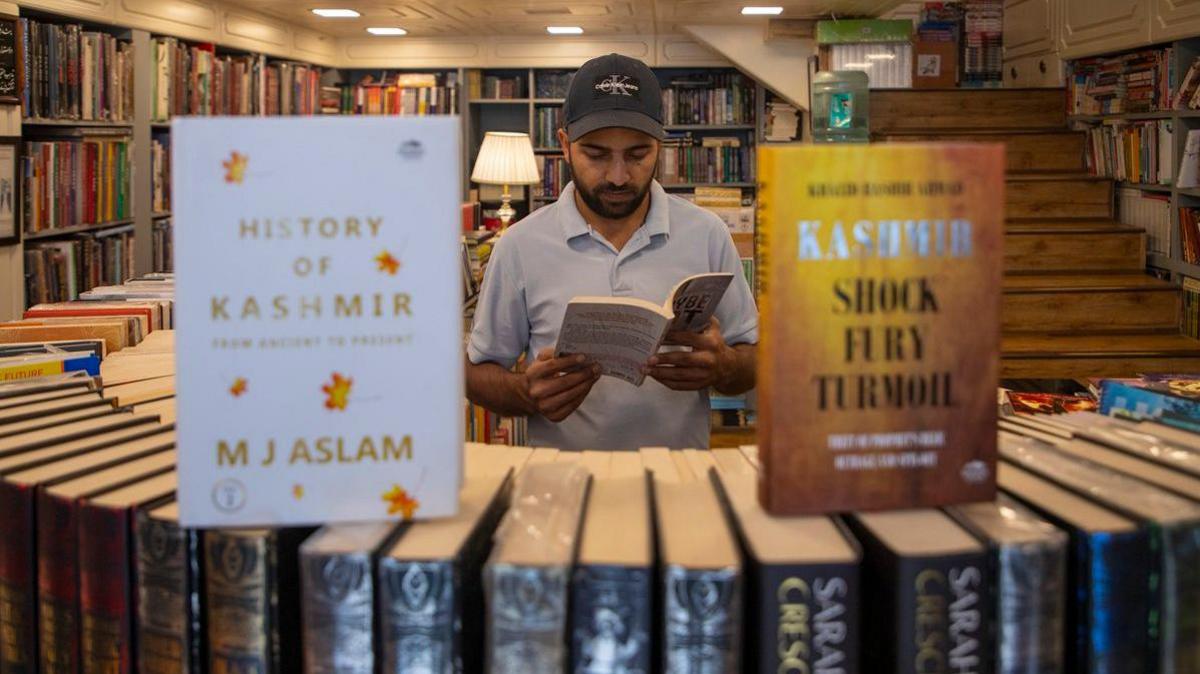
In a sweeping decision, the Indian‑administered region of Jammu and Kashmir has ordered every school, college, university and coaching centre to review books and research papers on their premises to identify “objectionable” content. The directive, issued last week, followed protests over two school‑library titles that the ruling Bharatiya Janata Party (BJP) claimed glorified separatist leaders.
The order directs institutions to screen all published material that could violate religious sentiments, laws, educational values or established norms, and to report books deemed inappropriate. Authorities say the aim is not to limit reading but to remove content that “promotes, glorises or justifies terrorism, violent extremism or secessionism.”
Students, academics and opposition parties argue that the directive represents an assault on academic freedom and an attempt to erase Kashmir’s complex history from the classroom. “This is a wider conspiracy to deprive us of academic content,” said Al‑taf Bukhari of the Apni Party.
Following the order, the government banned 25 books last year, including works by Arundhati Roy and A.G. Noorani, and arrested those involved in publishing them. The ban is now being challenged in court.
Government officials say the objective is to prevent “unnecessary controversies” arising from what is taught. “Peace has been restored in the region with great difficulty, and we can’t let things get out of control again,” BJP spokesperson Sunil Sethi said.
The controversy underscores deeper tensions about who should narrate Kashmir’s past, as the region remains a flashpoint between India and Pakistan. The new censorship ruling is likely to fuel further protests and legal battles in the coming months.