In brief
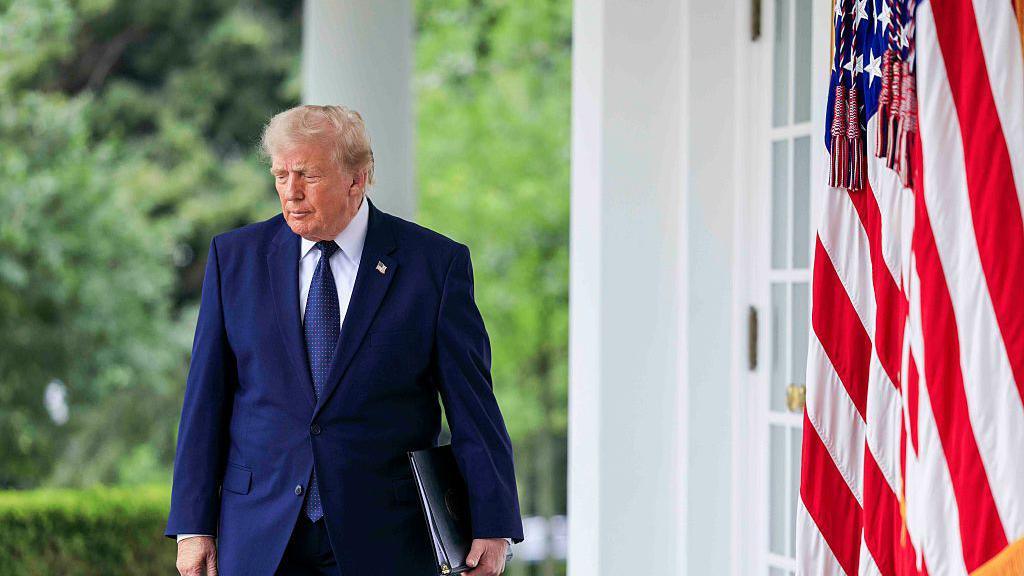
On July 13, U.S. District Judge Kathleen Williams voided a settlement between former President Donald Trump and federal agencies that had granted him immunity from IRS audits. The judge ruled the lawsuit was filed for improper political purpose and referred a Trump lawyer to state authorities for possible disciplinary action. The ruling bars Trump and his allies from citing the agreement in future proceedings, potentially allowing the IRS to audit his taxes again. This decision underscores a judicial check on executive privilege and highlights the need for congressional oversight.
Judge Annulls $1.8bn Trump IRS Settlement, Removing Tax Audit Immunity
A U.S. District Judge, Kathleen Williams, declared invalid a legal agreement between former President Donald Trump and federal agencies that had granted him immunity from IRS tax audits. The agreement was part of a settlement that cancelled Trump's $10bn lawsuit against the IRS and created a $1.8bn “anti‑weaponisation” fund for alleged government targets. Williams said the lawsuit was filed for an improper purpose and that the parties had no real adversarial dispute, describing it as action carried out by Trump’s attorneys and beneficiaries rather than on equal footing with the government. The ruling also prevents Trump and his associates from using the settlement in future legal actions, which means the IRS can again audit his tax returns and related family businesses.
In the initial claim, Trump alleged that a former IRS contractor leaked his private tax data, forming the basis of a 2020 New York Times investigation that revealed he paid minimal taxes in the year he won the presidency and none in ten of the previous fifteen years. Williams noted that Trump’s claims only resurfaced after he returned to the White House and when officials, including his former lawyer and DOJ personnel, negotiated the settlement. “It was never an adversarial dispute between the parties,” she added.
One of Trump’s lawyers, Alejandro Brito, was referred to the Florida bar for potential disciplinary action, while another, Daniel Epstein, will be barred from cases in the Southern District of Florida for at least a year. Trump’s legal team responded to the BBC by accusing the IRS of allowing a rogue, politically motivated employee to leak data. They insisted Trump continues to hold accountable those who “wrong America and Americans.”
Tax Law Center policy director Brandon DeBot described the settlement as a “sweetheart deal” that gave Trump unauthorized exemptions from tax audit rules, damaging the integrity of the tax system. He added the court’s decision is crucial but not a substitute for congressional action to nullify the entire deal and prevent future presidential self‑dealing. Plans for the “anti‑weaponisation” fund were abandoned in early June, following a judge’s temporary order that halted its implementation.