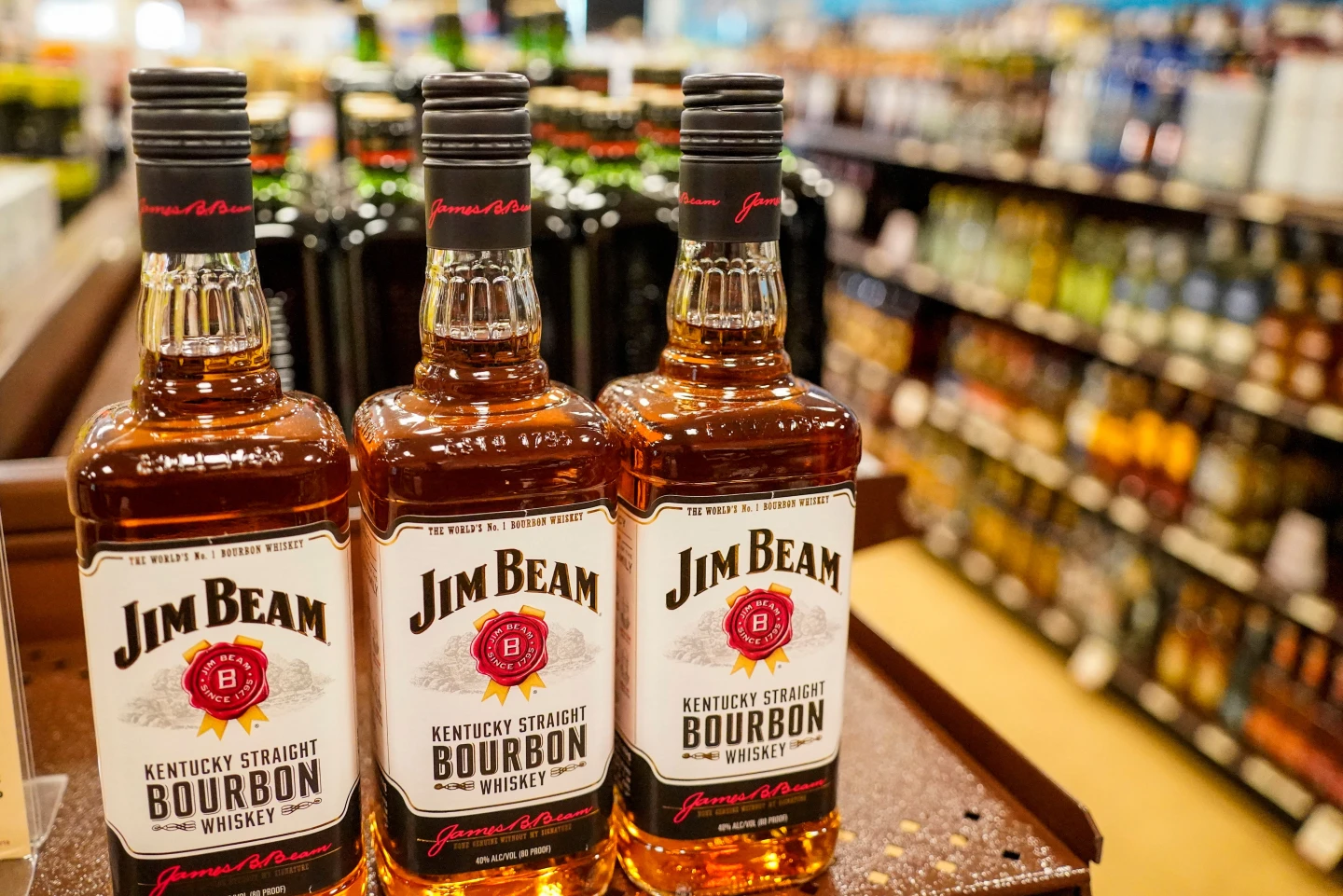
Jim Beam, the renowned bourbon manufacturer, has made the significant decision to halt production at its Clermont distillery for at least a year. This pause comes as the whiskey industry faces challenging conditions, including tariffs imposed during the Trump administration and a notable decline in consumer demand for bourbon.
The company stated that this temporary cessation of bourbon making, expected to last until 2026, will allow them to invest in improvements at the distillery. Despite the stoppage, bottling and warehousing operations at the Clermont site will continue to run, along with the James B. Beam Distilling Co. visitor center and restaurant.
Notably, Jim Beam's larger distillery, located in Boston, Kentucky, will maintain its operations throughout this period. A company representative mentioned, We are always assessing production levels to best meet consumer demand, indicating the ongoing adjustments within the industry.
Employees at the Clermont distillery are being reassigned to other roles within the company, and according to local union representatives, Jim Beam does not currently plan to lay off any workers. This decision likely reflects the company's commitment to its workforce amid the current market fluctuations.
The bourbon industry remains in a precarious position as producers contend with market pressures, including fluctuating tariffs and changing drinking habits. The flagship bourbon produced by Jim Beam requires a minimum of four years of aging in barrels, making production planning critical.
Recent reports indicate that American spirits exports have dropped significantly—by 9% overall in the second quarter of 2025 compared to the previous year—with a staggering 85% decrease in U.S. spirits hitting Canadian markets. Moreover, there has been a concerning trend of Americans drinking less than in previous decades.
Despite these challenges, bourbon production has seen dramatic growth in recent years. As of January, there were approximately 16 million barrels of bourbon aging in Kentucky, more than tripling the figures from 15 years ago, according to the Kentucky Distillers’ Association. However, this increase in production contrasts sharply with a decline in sales and consumer interest.
With about 95% of bourbon produced in the U.S. originating from Kentucky, the industry continues to play a vital role in the state’s economy, contributing over 23,000 jobs and generating approximately $2.2 billion. As Jim Beam navigates these turbulent times, it remains to be seen how the overall market will adjust.