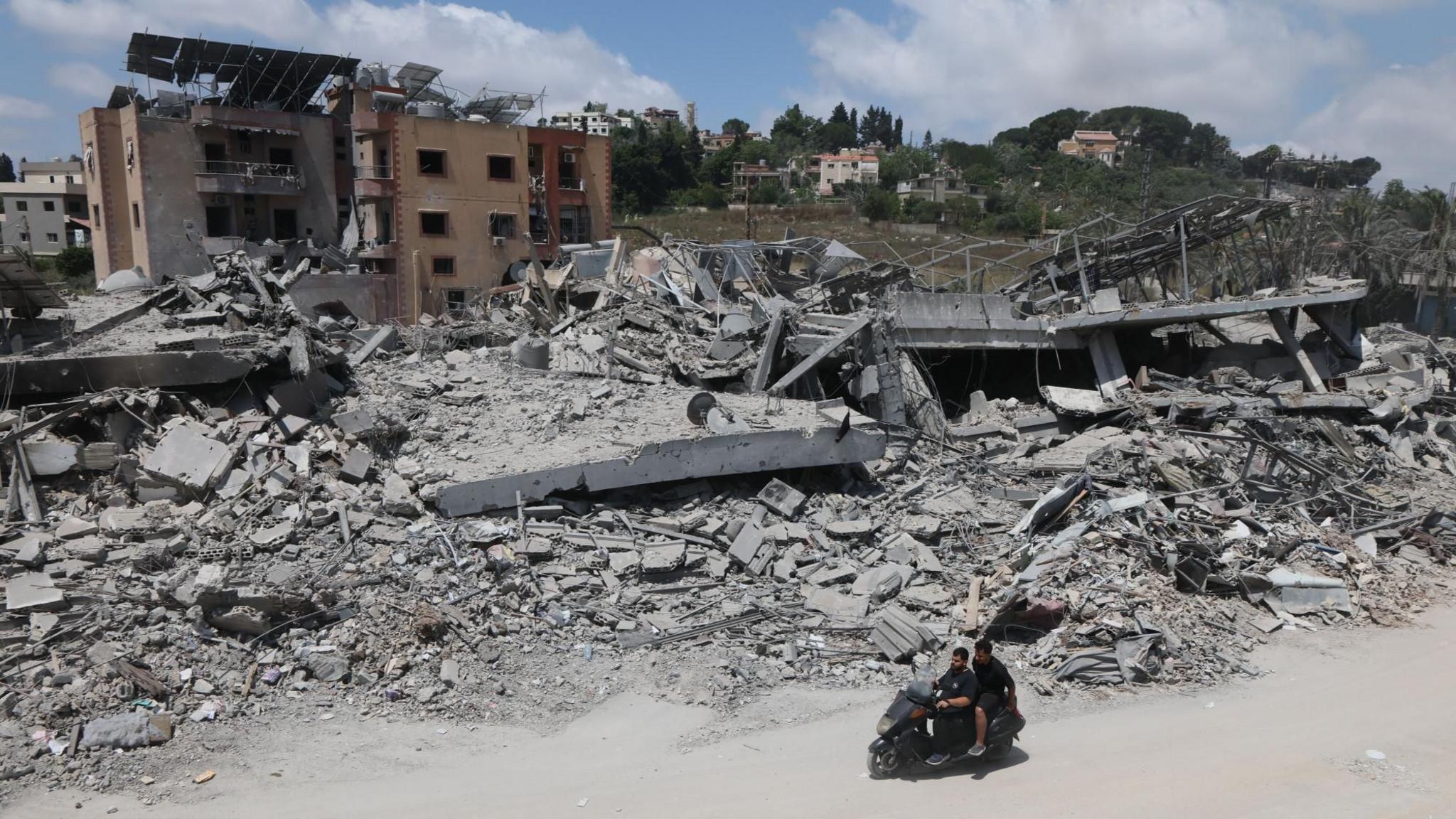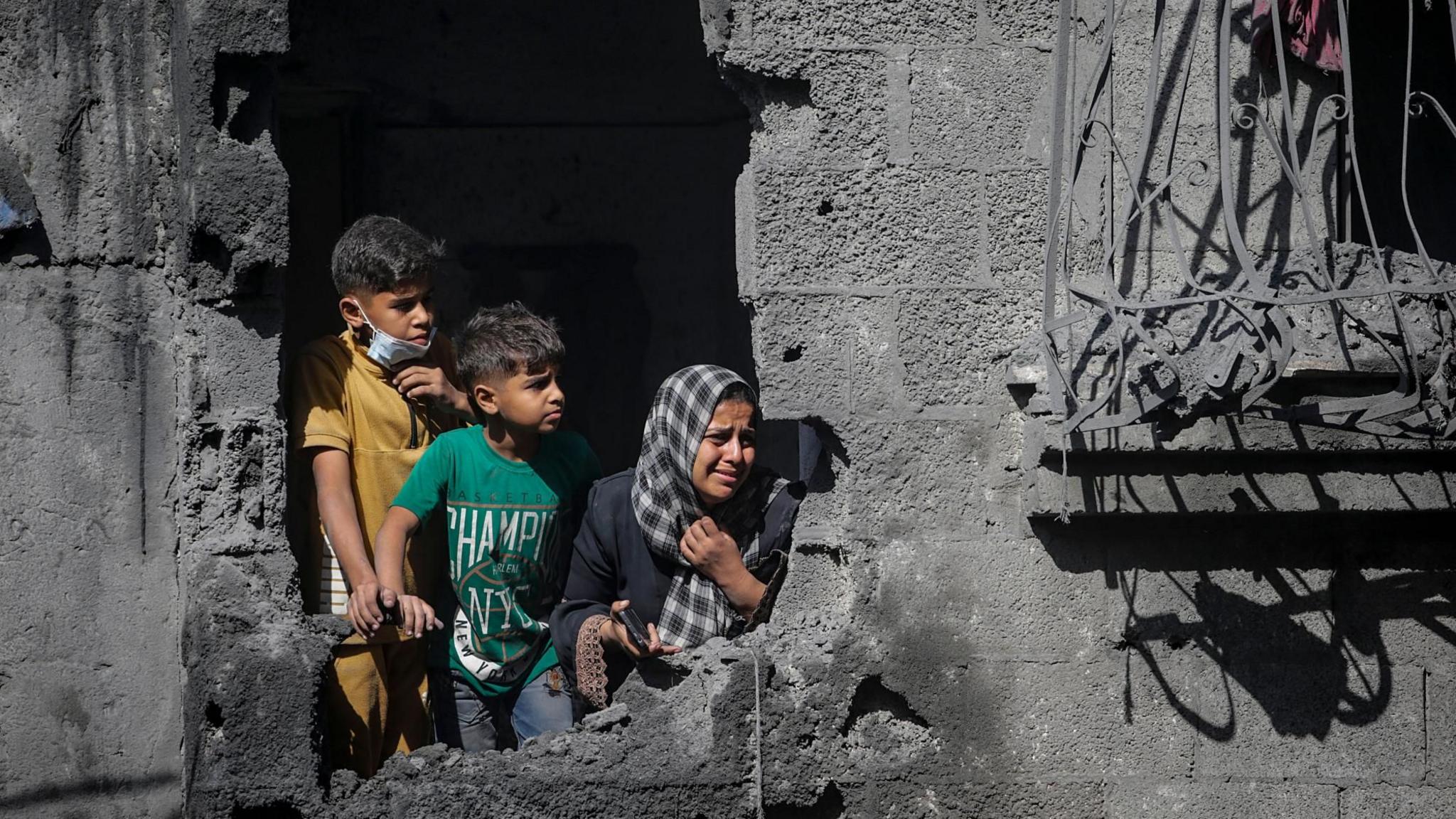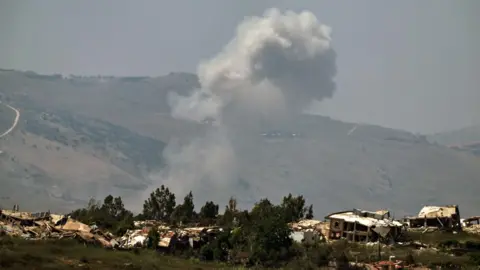
Israel says it has carried out air strikes on Syrian government infrastructure in the south of the country, in response to what it described as attacks on Druze civilians in Suweida province. In a statement, the Israeli military said it hit a command centre and weapons stored at army compounds overnight. The IDF [Israel Defense Forces] will not tolerate harm towards the Druze population in Syria and will continue to operate to defend them, it stated. The Syrian foreign ministry denounced the attack as an outrageous assault on Syria's sovereignty and territorial integrity and called Israel's justification flimsy pretexts and fabricated excuses.
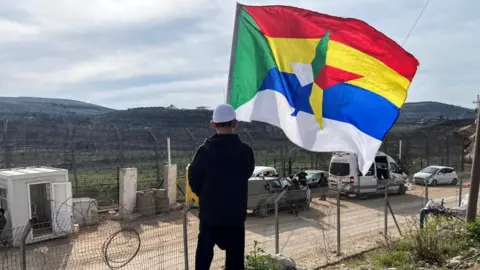
The strikes were described by Syria as an escalation that continues Israel's policy of interference in internal affairs aimed at undermining security and stability. Israel, which has a sizable Druze minority, has previously framed such strikes as efforts to protect the community across the border. The Druze are a community in Syria, Lebanon, Israel, and the Israeli-occupied Golan Heights, with a religious identity that is an offshoot of Shia Islam.
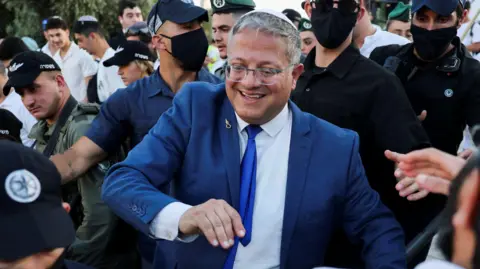
Israeli Defence Minister Israel Katz warned of further action, indicating that Israel would not allow the Syrian government to exploit the wider regional war to target Druze communities, and would strike with even greater force if necessary. This military action follows an escalation in violence within Suweida, where clashes between governmental forces and local armed groups have intensified recently after Druze militiamen attempted to enter government-held territories.
A UK-based war monitor reported that fighting escalated after mortar fire struck areas controlled by Druze groups, eventually hitting residential neighbourhoods in Suweida city, leading to panic among the residents. However, Syrian authorities provided a different account, claiming that security forces had dismantled an organized criminal network involved in car theft and drug trafficking during an operation that resulted in nine arrests.
This latest unrest follows previous incidents in Suweida that led to numerous fatalities due to clashes between Druze fighters, Sunni Bedouin tribes, and government forces. Despite claims of intervention to maintain order, the government forces are accused of siding with tribal groups. During prior tensions, Israel also carried out strikes, justifying them as defensive measures for the Druze communities and enforcing the demilitarization of southern Syria.
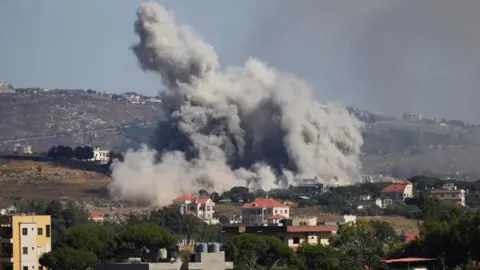
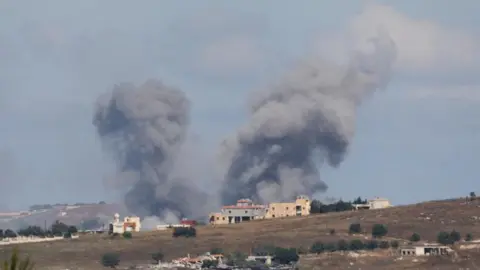
While some analysts anticipate that Syria could become more directly involved in regional conflicts, particularly as Israel escalates strikes against Hezbollah in Lebanon, they believe the current events are more closely intertwined with internal Syrian dynamics. Syrian President Ahmed al-Sharaa has emphasized that Damascus seeks to avoid involvement in external conflicts, stating, We are calculating our steps with extreme precision and working to keep Syria away from any conflict.\
The strikes were described by Syria as an escalation that continues Israel's policy of interference in internal affairs aimed at undermining security and stability. Israel, which has a sizable Druze minority, has previously framed such strikes as efforts to protect the community across the border. The Druze are a community in Syria, Lebanon, Israel, and the Israeli-occupied Golan Heights, with a religious identity that is an offshoot of Shia Islam.
Israeli Defence Minister Israel Katz warned of further action, indicating that Israel would not allow the Syrian government to exploit the wider regional war to target Druze communities, and would strike with even greater force if necessary. This military action follows an escalation in violence within Suweida, where clashes between governmental forces and local armed groups have intensified recently after Druze militiamen attempted to enter government-held territories.
A UK-based war monitor reported that fighting escalated after mortar fire struck areas controlled by Druze groups, eventually hitting residential neighbourhoods in Suweida city, leading to panic among the residents. However, Syrian authorities provided a different account, claiming that security forces had dismantled an organized criminal network involved in car theft and drug trafficking during an operation that resulted in nine arrests.
This latest unrest follows previous incidents in Suweida that led to numerous fatalities due to clashes between Druze fighters, Sunni Bedouin tribes, and government forces. Despite claims of intervention to maintain order, the government forces are accused of siding with tribal groups. During prior tensions, Israel also carried out strikes, justifying them as defensive measures for the Druze communities and enforcing the demilitarization of southern Syria.
While some analysts anticipate that Syria could become more directly involved in regional conflicts, particularly as Israel escalates strikes against Hezbollah in Lebanon, they believe the current events are more closely intertwined with internal Syrian dynamics. Syrian President Ahmed al-Sharaa has emphasized that Damascus seeks to avoid involvement in external conflicts, stating, We are calculating our steps with extreme precision and working to keep Syria away from any conflict.\