In brief
With ongoing protests affecting fuel supply and causing widespread shortages across the Republic of Ireland, the government is convening to discuss a response. Blockades have disrupted access to oil refineries, leading to significant supply issues as prices surge due to international conflicts. Gardaí have begun enforcement actions against illegal blockades, warning protesters of potential legal consequences.
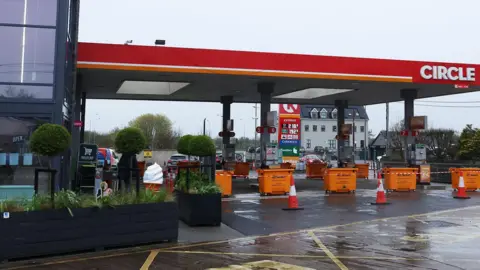
The Taoiseach (Irish prime minister) has announced a cabinet meeting scheduled for Sunday to discuss updates on the ongoing fuel crisis amidst continued protests and blockades across the country. As these demonstrations enter their fifth day, hundreds of petrol stations in the Republic of Ireland are experiencing severe fuel shortages.The protests and slow-moving convoy blockades, consisting of vehicles including tractors, have led to ongoing meetings since Friday between government ministers and farmer representatives to negotiate a new funding deal aimed to alleviate the impact of rising fuel prices. Fuel trucks have recently regained access to the Whitegate Refinery in County Cork after conflicts with protesters attempting to prevent transport.The situation escalated on Saturday when Gardaí, assisted by the Irish Defence Forces, used pepper spray to disperse blockades, resulting in multiple arrests. The Garda Commissioner has stated that such actions are illegal and warned that the authorities would enforce laws against those obstructing critical infrastructure.Despite the ongoing tensions, Taoiseach Micheál Martin emphasized that the blockades threaten to exacerbate the fuel crisis amid a global oil supply disruption, already fuelled by geopolitical tensions in the Middle East.Public transport services have also been severely affected, disrupting operations in Dublin and raising alarms over supply shortages for emergency services. Demonstrations are expected to continue as trade routes, especially at Rosslare Europort, remain under threat from ongoing protests.The protests stem from the recent rise in fuel prices, with diesel prices rising from about €1.70 to €2.17 per liter, driven by blockades and the international oil crisis. Sinn Féin leader Mary Lou McDonald criticized the government’s handling of the situation, urging direct engagement with the protesters.The National Emergency Coordination Group has raised concerns over the impact these disruptions are having on essential services, stating that fuel supplies for critical response vehicles are under increasing pressure.