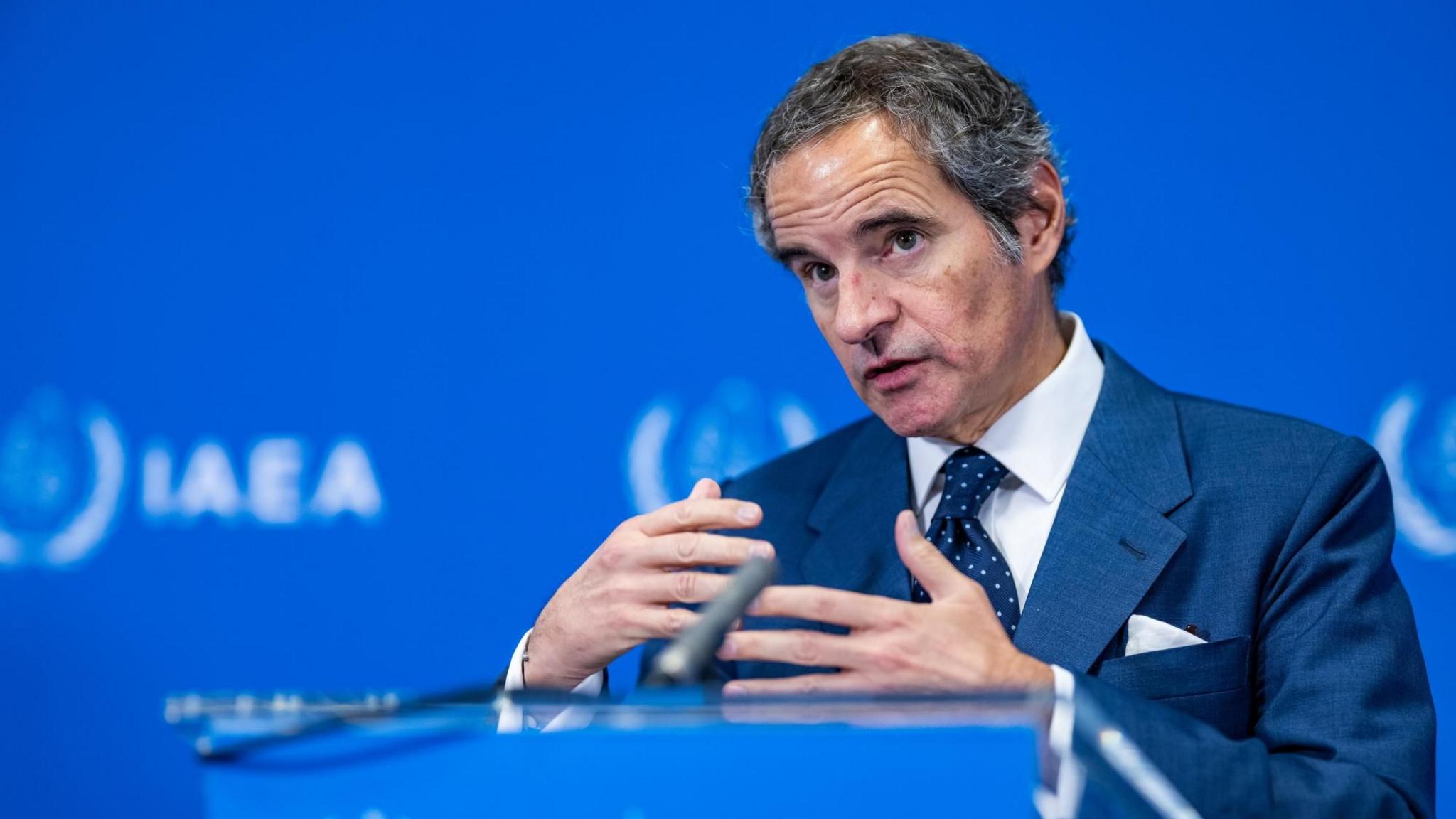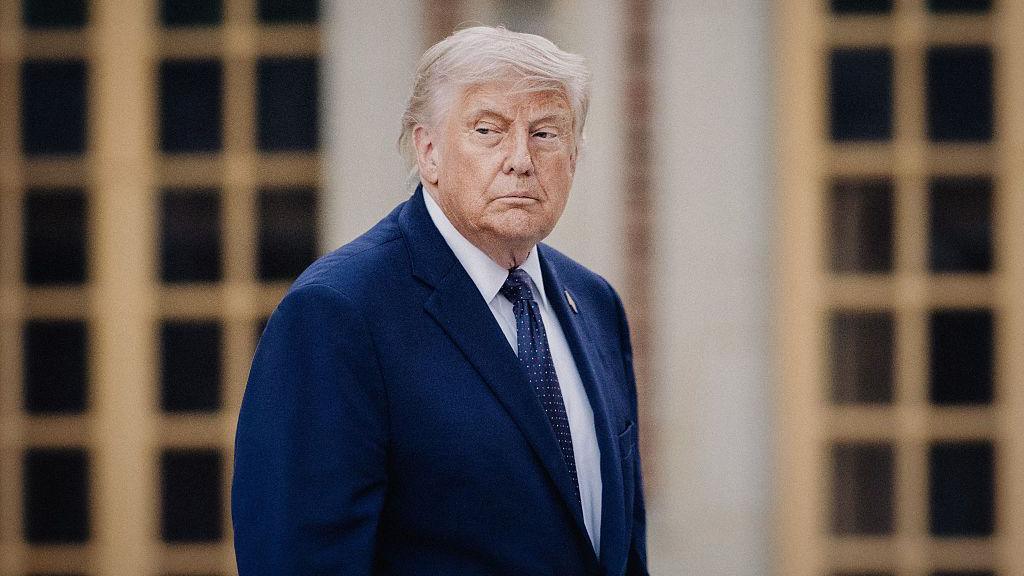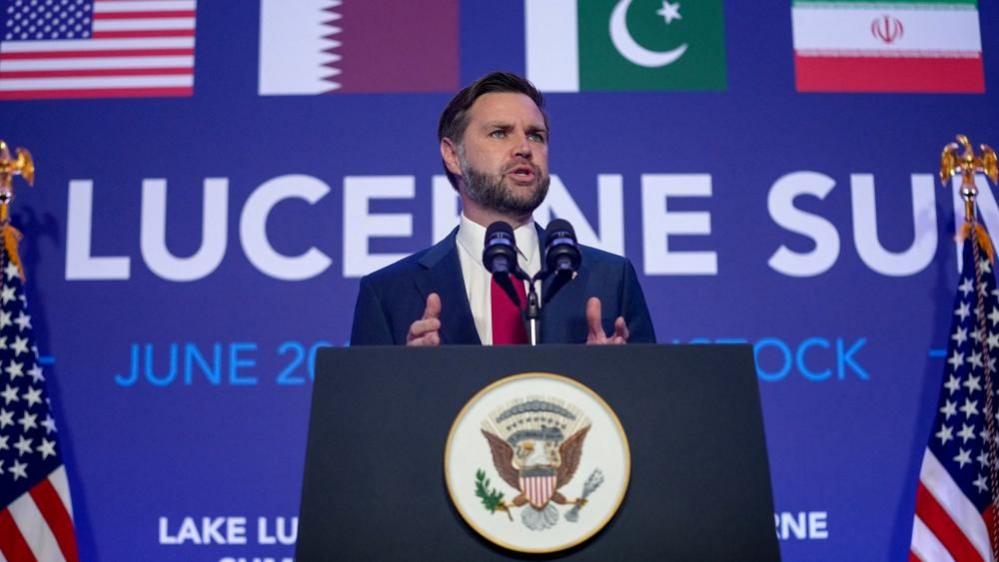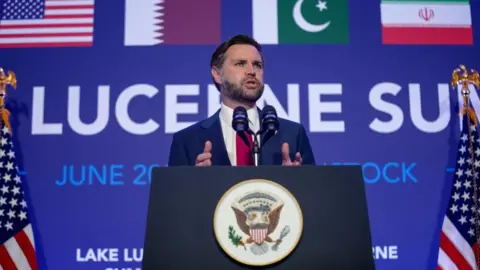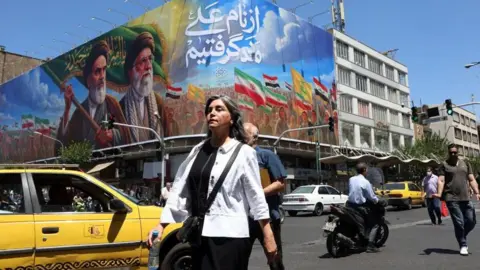
The unprecedented Memorandum of Understanding between the United States and Iran comes in the wake of a conflict that began on 28 February 2024, a war that the current U.S. administration had promised would be swift and decisive. The failure of that promise is now showcased as a clear indicator of the changing notion of global power.
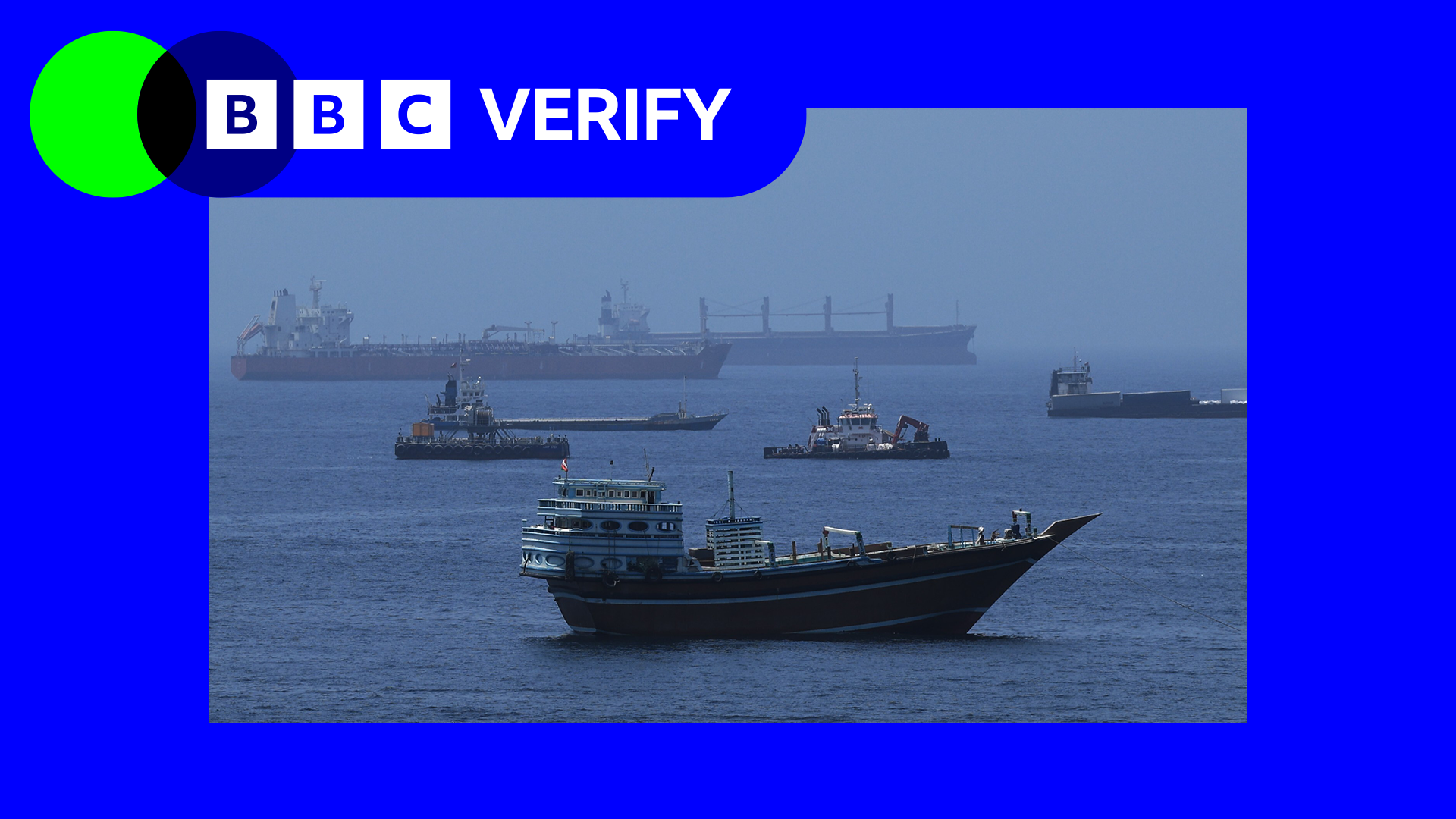
The deal lifts the blockade that the U.S. Navy had placed on Iranian ports and re‑opens the Strait of Hormuz, a vital waterway that carries roughly 20 % of world oil and gas traffic. By allowing vessels to pass freely, the agreement eases the economic pressure on the global supply chain and signals a return to a more stable shipping environment.
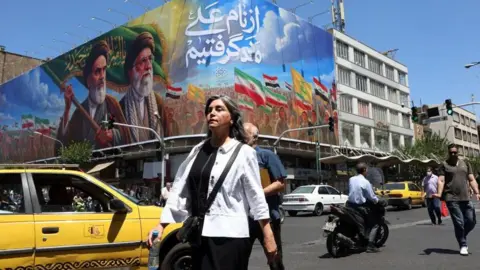
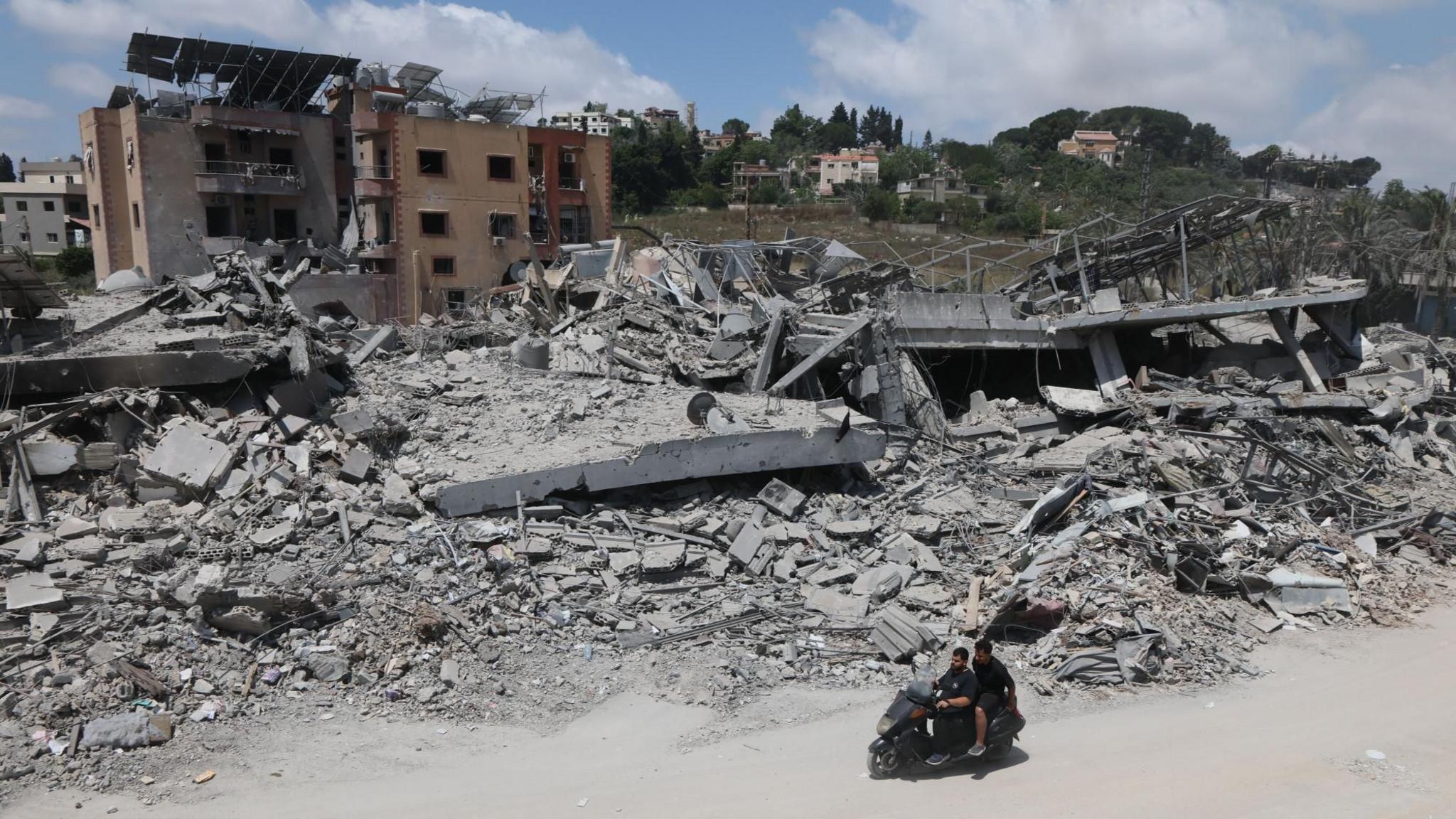
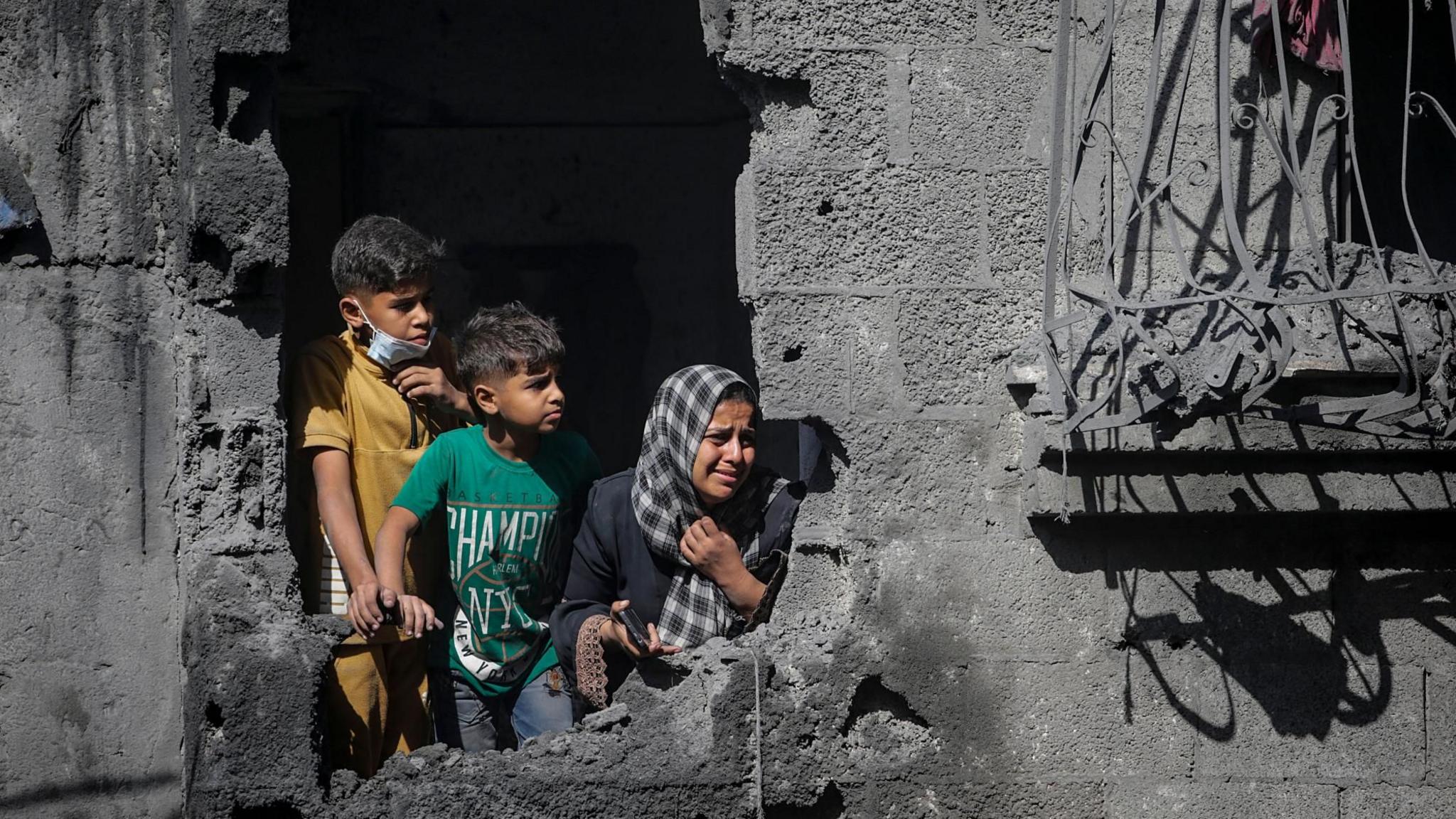
The agreement brings a temporary pause to hostilities that have caused significant civilian losses, infrastructure destruction and economic distress, especially in rural areas of the Middle East. Yet, despite this temporary relief, the memorandum leaves the core disputes—particularly Iran’s nuclear ambitions and future sanctions relief—to be negotiated at a later date.
While the U.S. and Israel had been closely aligned in launching the conflict, Israel finds itself sidelined from the new deal, raising tensions with its own leadership and increasing scrutiny from domestic political factions demanding further action in Lebanon.
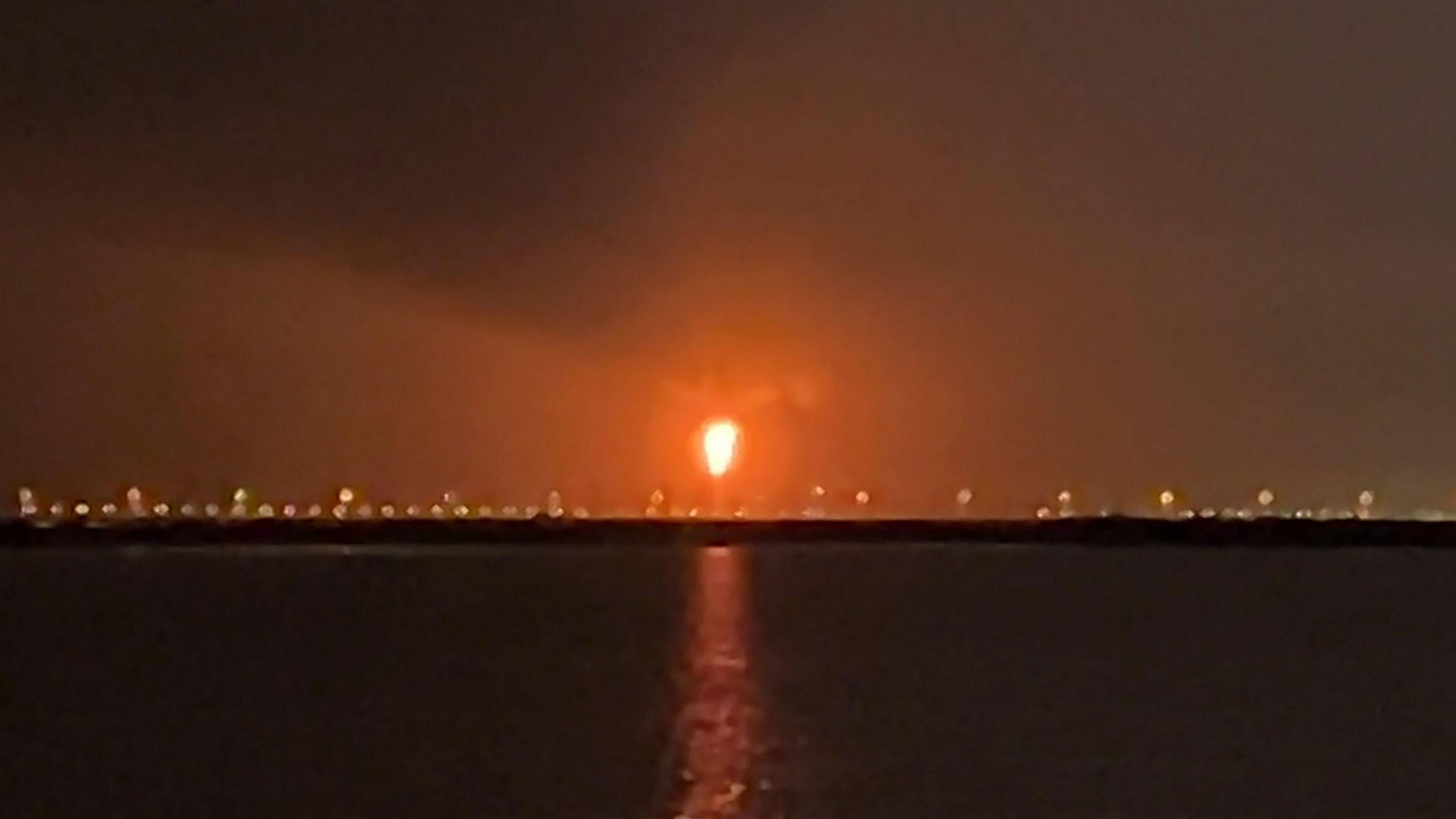
On the international stage, the deal has forced a reconsideration of the U.S. role in the Middle East. Iran’s regime now appears more resilient, having survived air strikes that targeted its leadership and continued to conduct regime‑preserving operations across the region.
Although the agreement provides a breath of fresh air for global trade, experts caution that the underlying ideological divides and the absence of mutual trust may keep a permanent comprehensive settlement distant. The United Nations and other international bodies will likely monitor the progress and the potential fallout of this limited accord as the two powers negotiate the next steps.