WASHINGTON (AP) — The IRS Criminal Investigations unit has shifted its focus this year, as new responsibilities take precedence over traditional tax enforcement. This includes aiding in immigration enforcement and supporting National Guard deployments in two Democratic-led cities.
Chief Guy Ficco of the IRS Criminal Investigations unit explained in an interview how the agency is managing its dual mandate of pursuing tax evasion while addressing these new priorities from the Trump administration. Notably, the IRS has been compelled to do more with fewer agents, with a significant personnel cut of 10%. This decrease has reduced the number of field agents and professional staff from 3,474 in 2024 to 3,143 in 2025.
“This year has presented unique challenges due to changing administrations,” Ficco stated. He noted that despite staff reductions—attributable to both layoffs and retirements—the remaining members of his unit are demonstrating resilience in adapting to these evolving demands.
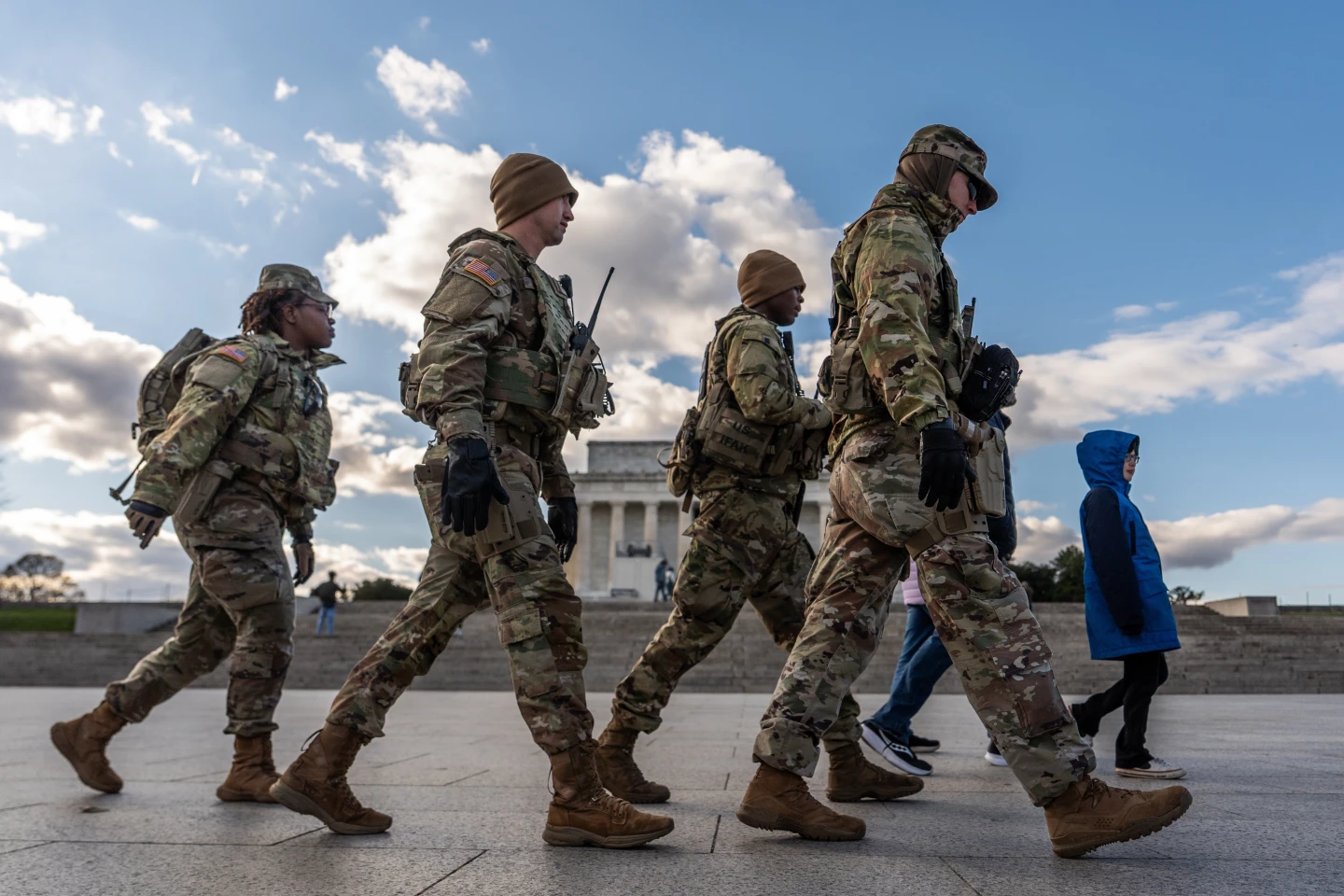
In addition to the shift toward immigration-related work, the IRS-CI has been increasingly called upon to contribute to larger national security operations, recently sending around 25 agents to assist with the National Guard's mission in Washington, D.C., to combat crime levels. Similarly, approximately 250 agents have been deployed since May to help with immigration operations, including arrests and deportations.
While the IRS has increased investigations into corporate fraud and other financial crimes, it has seen a marked decline in investigations relating to tax evasion. This fiscal year, only 34 cases of tax evasion were recommended for prosecution, down from 92 in the previous year.
The agency is reportedly awaiting progress from the Department of Justice on some tax cases that had been forwarded in past years, leaving the future of those prosecutions uncertain.