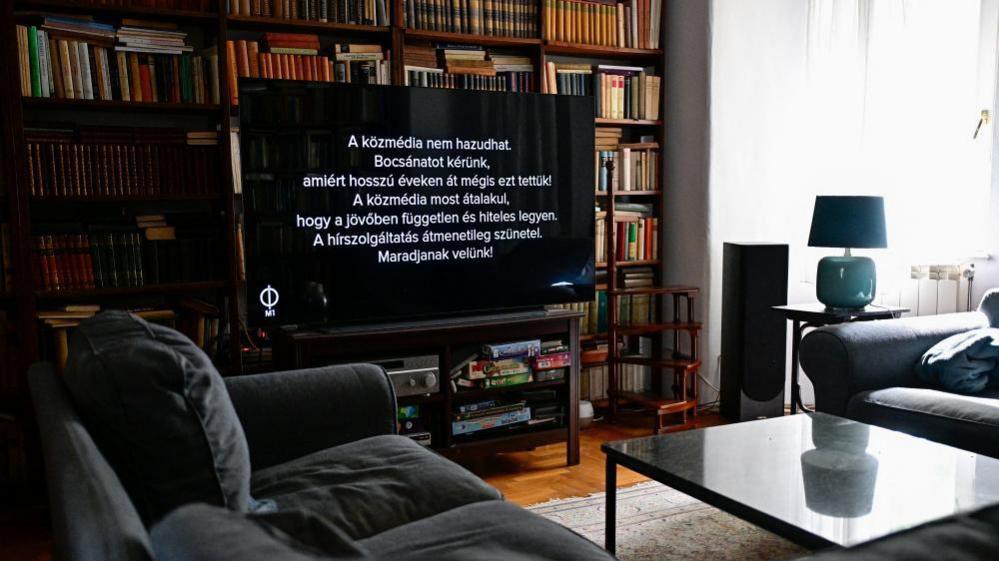
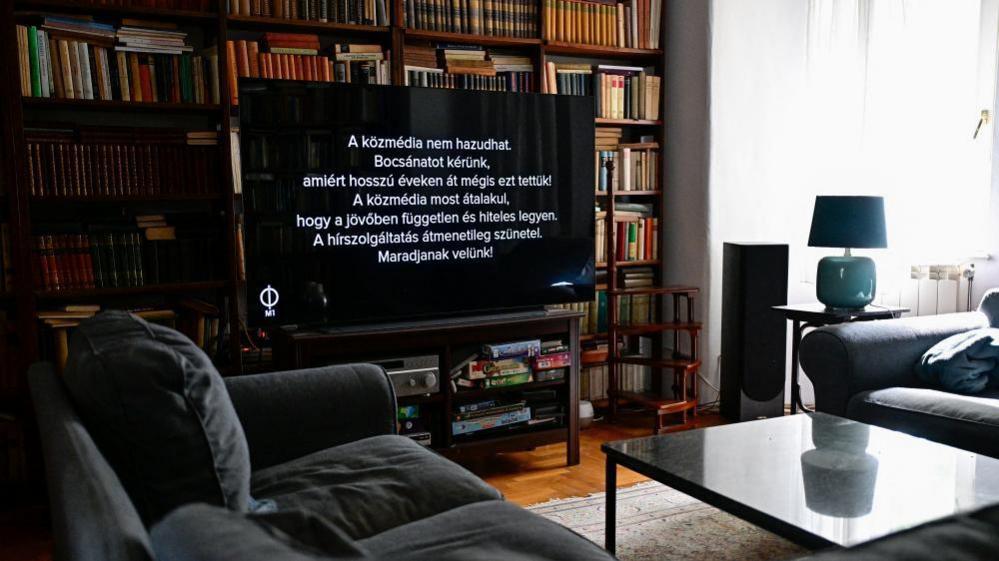
In a historic move, Hungary’s flagship public television channel, M1, and the state‑run radio broadcaster Kossuth have suspended all news transmission. The pause came on a single afternoon, as the new government declared that the channels would be reformed to be “independent and trustworthy.”
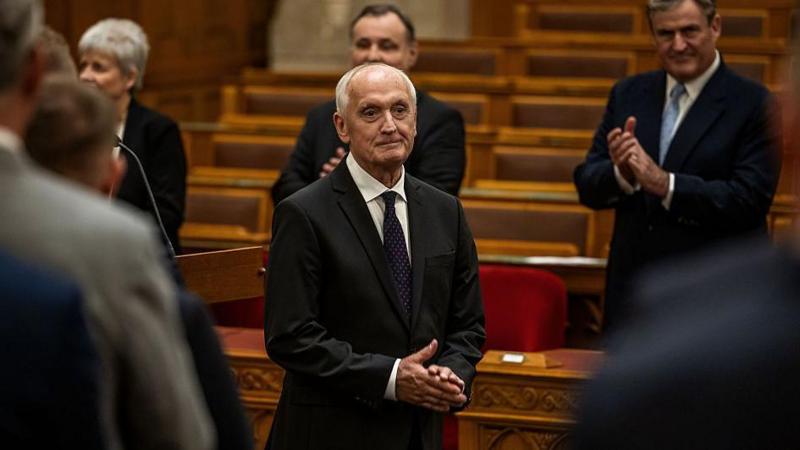
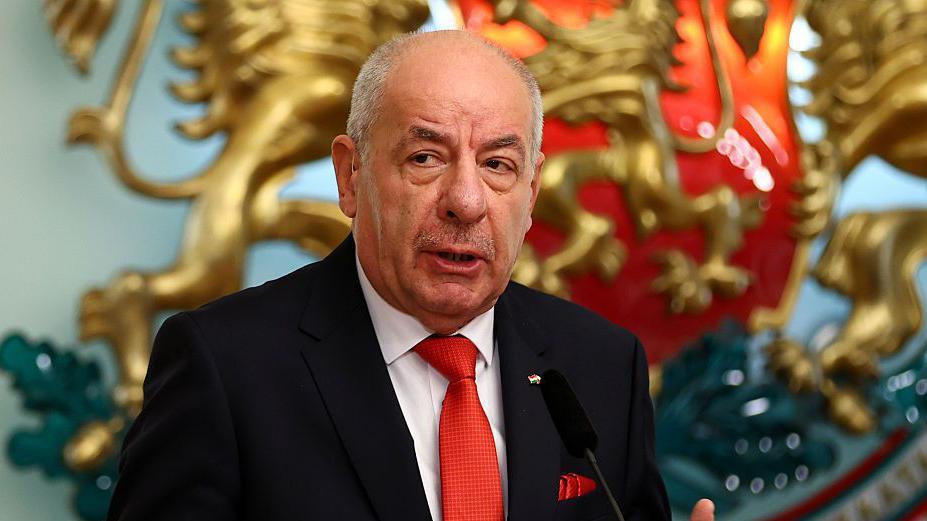
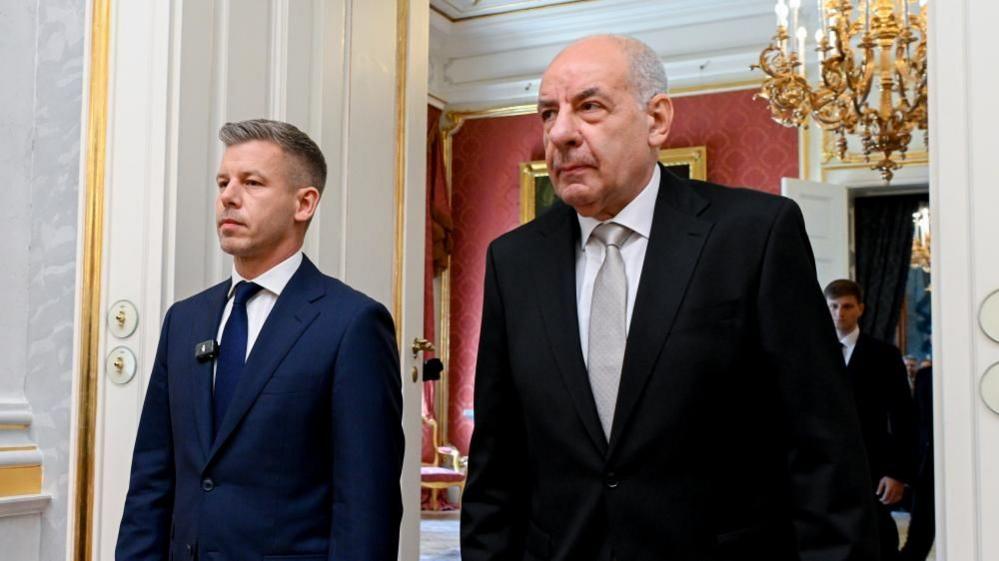
The announcement echoes a promise made by the newly elected Prime Minister Péter Magyar, who had campaigned on ending the long‑standing influence of former Prime Minister Viktor Orbán’s party, Fidesz, over public media. In the wake of Orbán’s resignation from office in April after 16 years, the announcement was framed as a break from propaganda and a step toward media freedom.
During the broadcast, a black screen displayed the message: “Public media should not lie. We are sorry for doing so for so long.” It was followed by a pledge that the news programme would resume with a new editorial team and in a format that excludes the previous political interference. Kossuth radios frequencies broadcasted classical music instead, temporarily replacing its news and current affairs content.
According to the statement from MTVA, the operator of M1, the channel’s news bulletins will return gradually in a new format, following the restructuring of the leadership and editorial direction. The move has been described by Magyar as a “historic day” and “the end of propaganda broadcasts on public media platforms.”
Opponents of the media overhaul, including Orbán’s supporters, reacted by urging viewers to turn to Hir, a television channel affiliated with Fidesz. The former leader also called the reforms an example of tyranny and criticized the new regime’s handling of information. In his response, Orbán suggested that Hungarians should watch the new state‑aligned channels and criticized the appropriateness of the change.
The reforms not only halted the prime channels but also caused the closure of several journalists’ positions and the departure of key anchors in other networks with close ties to Fidesz. Notably, TV2, a commercial broadcaster aligned with the party, has seen several of its main news anchors and the news director leave after the Prime Minister’s inauguration. Beyond domestic reaction, the European Union has welcomed the move as a sign of change, offering financial support for the new media reforms.