In brief
The Cernavodă nuclear power station was forced to shut down its only operational reactor after a severe heatwave caused record low levels in the Danube river. The plant, which provides about 20% of Romania’s electricity, is expected to remain offline for at least ten days. Authorities have tried to raise river flow by sinking barges with rocks, but cooling systems could not obtain water. Neighboring Hungary’s Paks plant is also threatened, though it has not yet stopped. The shutdown will be compensated by solar, wind, coal and gas generation, and by imports during evening hours.
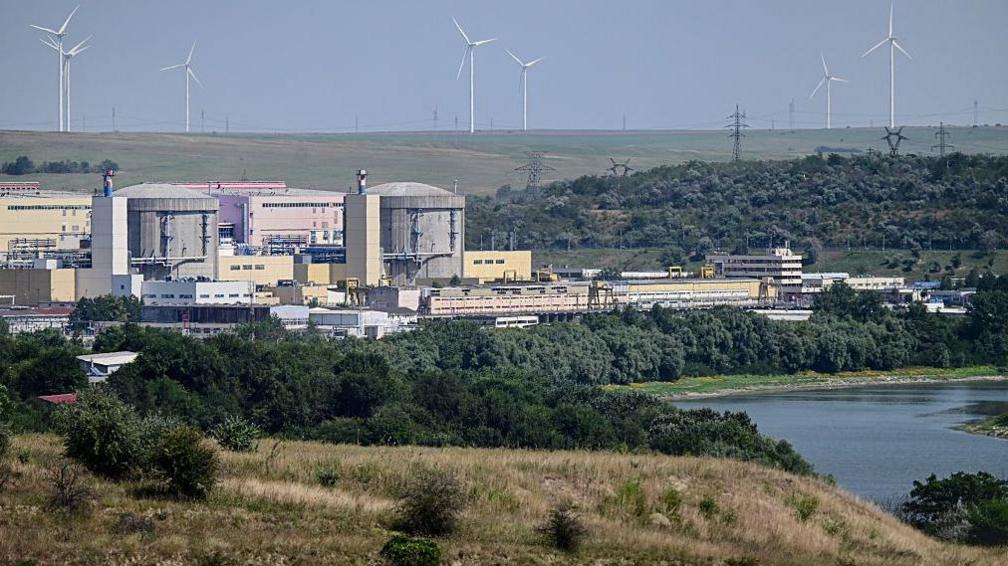
Romania has shut its only operational nuclear power station because of extremely low water levels in the Danube river caused by a prolonged hot spell across Europe.
The Cernavodă plant, home to two 706‑megawatt reactors that normally supply around 20% of the country’s electricity, is not expected to recommence operations within the next ten days. Earlier this week, authorities tried to lift river flow by sinking barges loaded with rocks in the Danube to assist the plant’s cooling systems.
While the Danube’s water levels have dipped to the lowest marks seen in thirty years in several European nations, Hungary’s Paks nuclear facility has so far avoided a shutdown. Nevertheless, Prime Minister Péter Magyar warned that the Soviet‑era plant could be forced into a full stop.
Romania’s hydropower output has also been curbed by the same low river levels, further straining the grid. In the absence of nuclear generating capacity, the country will rely on solar and wind during hot, windy midday periods. However, traditional coal and gas turbines, as well as energy imports, will have to cover the shortfall in the evenings.
The broader climate context is a relentless rise in temperatures across Europe, with the continent warming twice as fast as the global average. Increased summer heatwaves strain river flows, vital for hydropower and nuclear cooling, and intensify wildfires. In addition, heat and drought have already inflicted significant economic losses estimated at over €3 billion in Italy alone, and projected upward of €10–15 billion across the EU according to France’s Environment Minister.
The nuclear shutdown marks only the second time the Cernavodă plant has ceased operations, the first being in July 2003. The decision underscores the growing vulnerability of large‑scale energy infrastructure to extreme weather driven by climate change.