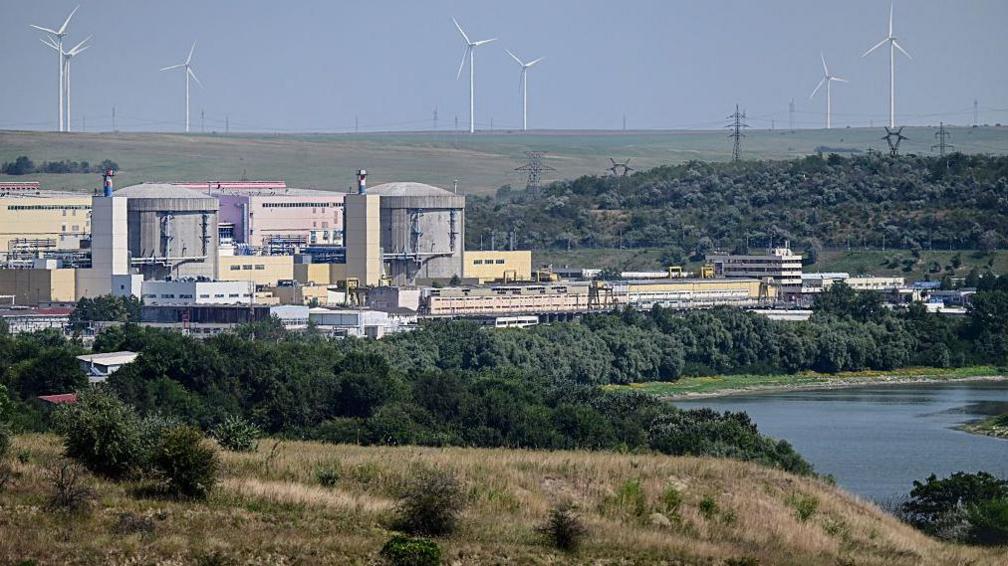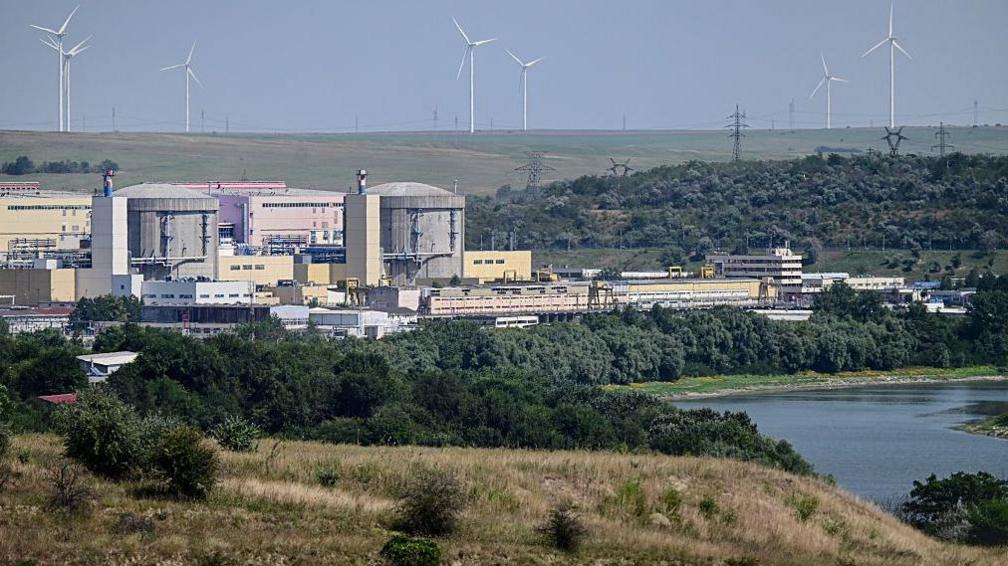
During an unprecedented heat period across Europe, Romania’s only Danube‑cooling nuclear facility has been forced into a shutdown by an abrupt drop in river water levels. The Cernavodă plant, which supplies roughly 20% of the country’s power, tied its reactors to the Danube for cooling, and the unexpectedly low flow made it impossible to maintain safe operating conditions.
On Thursday, just before noon, the second of the plant’s two 706‑megawatt reactors was disconnected from the national grid, with plant director Romeo Urjan stating there will be no restart within the following ten days. The first reactor had already been offline since July, marking only the second shutdown in the plant’s history, which last occurred in 2003.
Hungary’s Paks plant, another Danube‑cooled facility, has so far avoided a full shutdown, though officials warned that sustained low river levels threaten the possibility of an eventual outage. Both countries face a power shortfall that is being temporarily covered by solar, wind and imported coal or gas‑powered electricity.
The incident highlights the climate crisis’s stark impacts on critical infrastructure. Europe’s warming trend is accelerating extreme heatwaves and diminishing river flow, with the Danube and other waterways experiencing their lowest levels in decades. The resulting challenges extend beyond power generation to shipping, agriculture, and overall resilience of the continent’s supply chains.