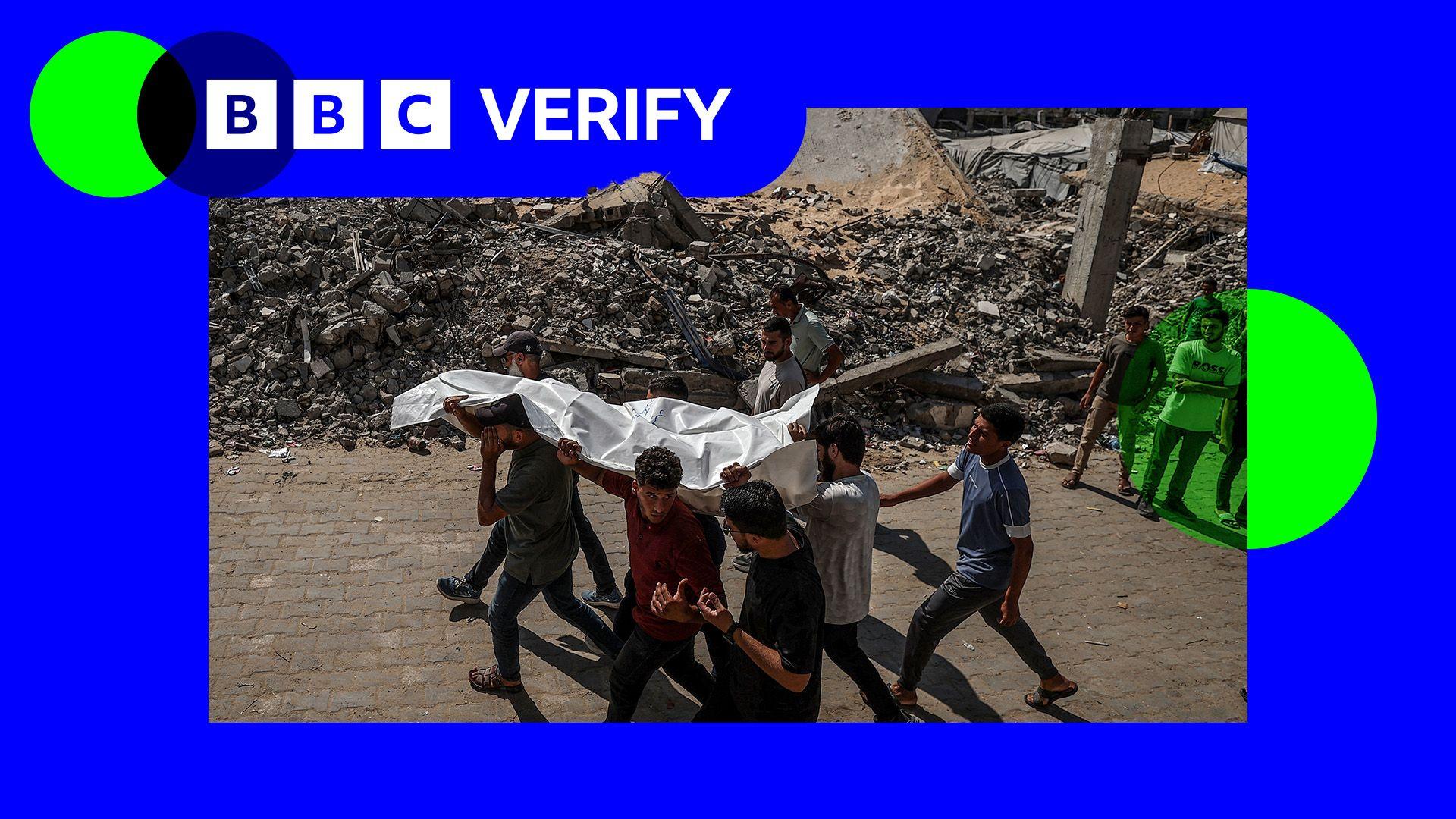
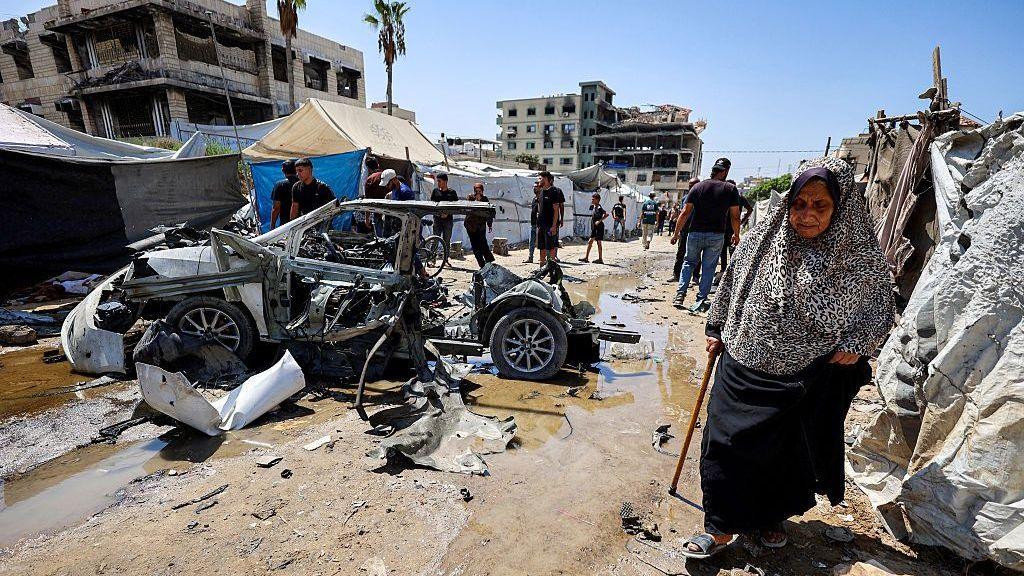
The headline declares a possible pathway to peace: Hamas would hand over its weapons and, in return, Israel would retreat from the occupied 70 % of Gaza. It is a breath of hope in a region where the war has left 2 million Palestinians in desperate conditions, with over 70 000 reported dead and more than 20,000 children killed, according to UN‑trusted figures.
But the deal is riddled with realities. Israel’s withdrawal would face issues of security: the Jewish majority remains convinced that Hamas poses a threat until it is totally disarmed. At the same time, Hamas is re‑building grassroots support, offering Quran memorisation and charity amidst a humanitarian crisis.
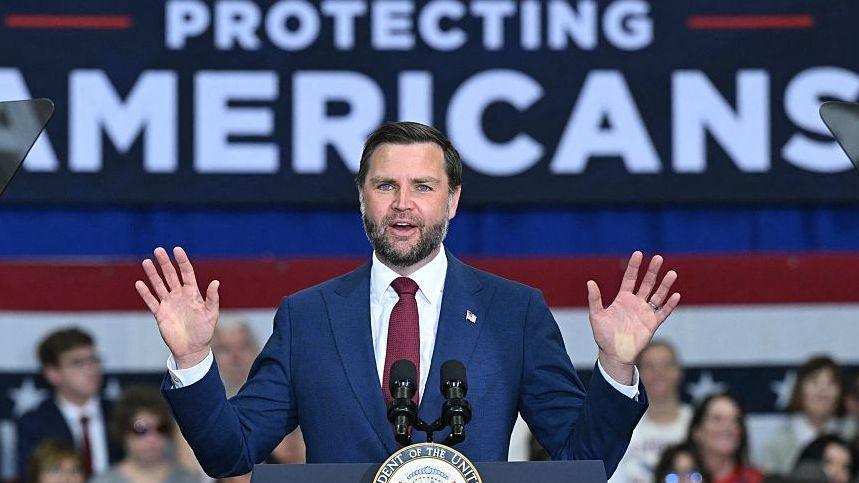
The diplomatic tableau is tangled. Prime Minister Netanyahu, battling a corruption trial and looming national elections, must avoid being seen as soft on Hamas. U.S. President Trump, on the other hand, faces his own election, needing a veteran win in Gaza to win in Washington. The two leaders must therefore stay committed to the fragile framework, which would otherwise collapse under sudden shocks.
The plan’s success demands a cautious, step‑by‑step approach, building confidence through small milestones rather than sweeping moves. The West Bank is tipped for heightened violence, adding a broader backdrop of instability that could derail progress. Settlement expansion and hardline politics at home threaten a more decisive Israeli stance that could erode the care necessary for a lasting ceasefire.
If the disarmament framework sticks, it could mark the first credible step towards ending the Gaza war. Nevertheless, without a credible Palestinian political horizon and a genuine return to self‑determination, the fragile accord risks failure, perpetuating the cycle of conflict for another generation.