In brief
In a stark warning about the consequences of increased military spending, United Nations Secretary-General Antonio Guterres emphasized the negative impact on crucial investments in health, education, and poverty alleviation. His report calls for a reevaluation of budget priorities with funds currently allocated for military purposes being redirected to support development goals aimed at fostering peace and stability.
UNITED NATIONS (RTWNews) — United Nations Secretary-General Antonio Guterres has issued a critical warning regarding the implications of escalating global military spending, stating that it detracts from essential investments in health, education, and job creation. He expressed concern that such expenditures often exacerbate insecurity rather than foster peace.
With military investments reaching a staggering $2.7 trillion, Guterres highlighted in his latest report, titled 'The Security We Need: Rebalancing Military Spending for a Sustainable and Peaceful Future,' that these financial resources are commonly misallocated, fueling arms races and deepening global mistrust. This alarming trend is set to be a focal discussion during the upcoming annual meeting of world leaders at the General Assembly on September 22.
The report underscores the necessity of channeling funds into developmental goals aimed at eradicating poverty, ensuring quality education, and addressing global hunger, particularly as only 35% of the UN's 2030 goals are currently progressing on track. Guterres advocated for a 'call to action' to readjust national budgets towards humanitarian needs.
He further elaborated on the notion that investing equally in fighting poverty is as vital as military expenditures, saying, 'A more secure world begins by investing at least as much in fighting poverty as we do in fighting wars.'
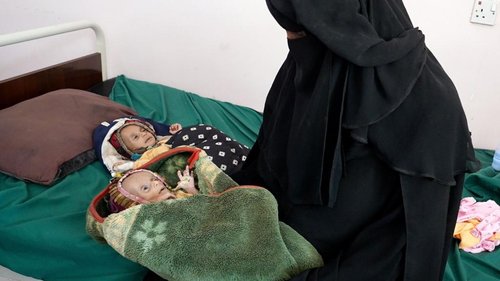
Data reveals that a mere $93 million—less than 4% of last year’s military spending—could potentially eliminate global hunger by 2030. Additionally, shifting military funding could create significantly more jobs within education, clean energy, and health compared to military employment.
U.N. officials assert that transitioning focus from military enhancement to human development could substantially mitigate the factors that lead to conflicts and instability worldwide. Engaging the international community in a dialogue about budgeting priorities for development over militarization remains critical in addressing issues threatening global peace.