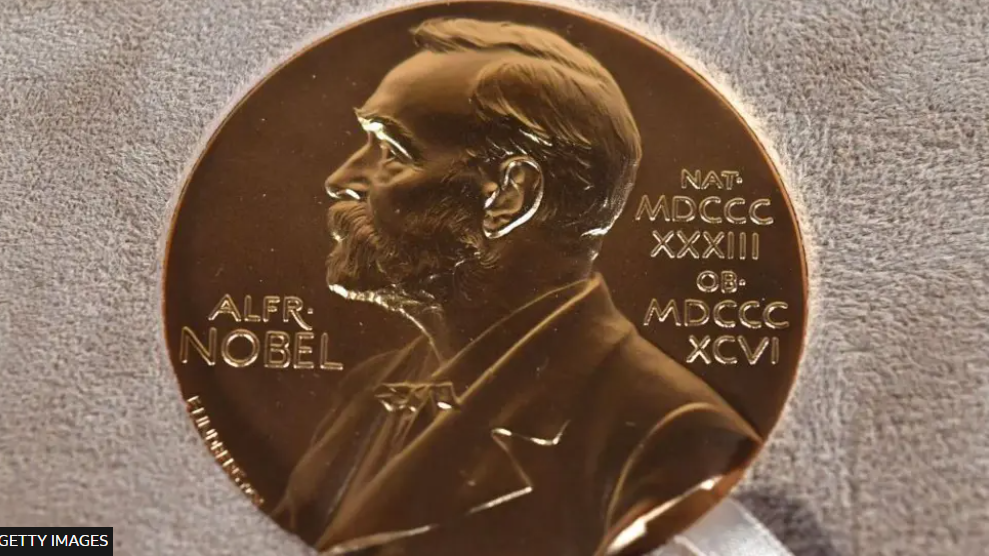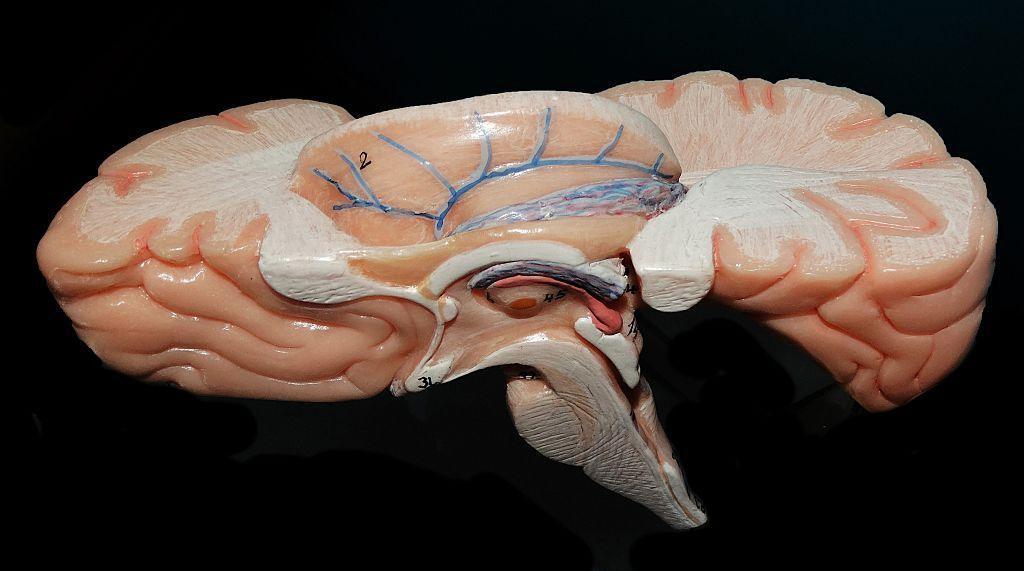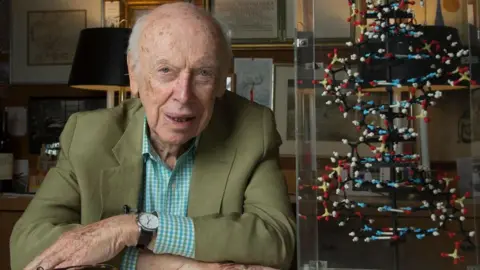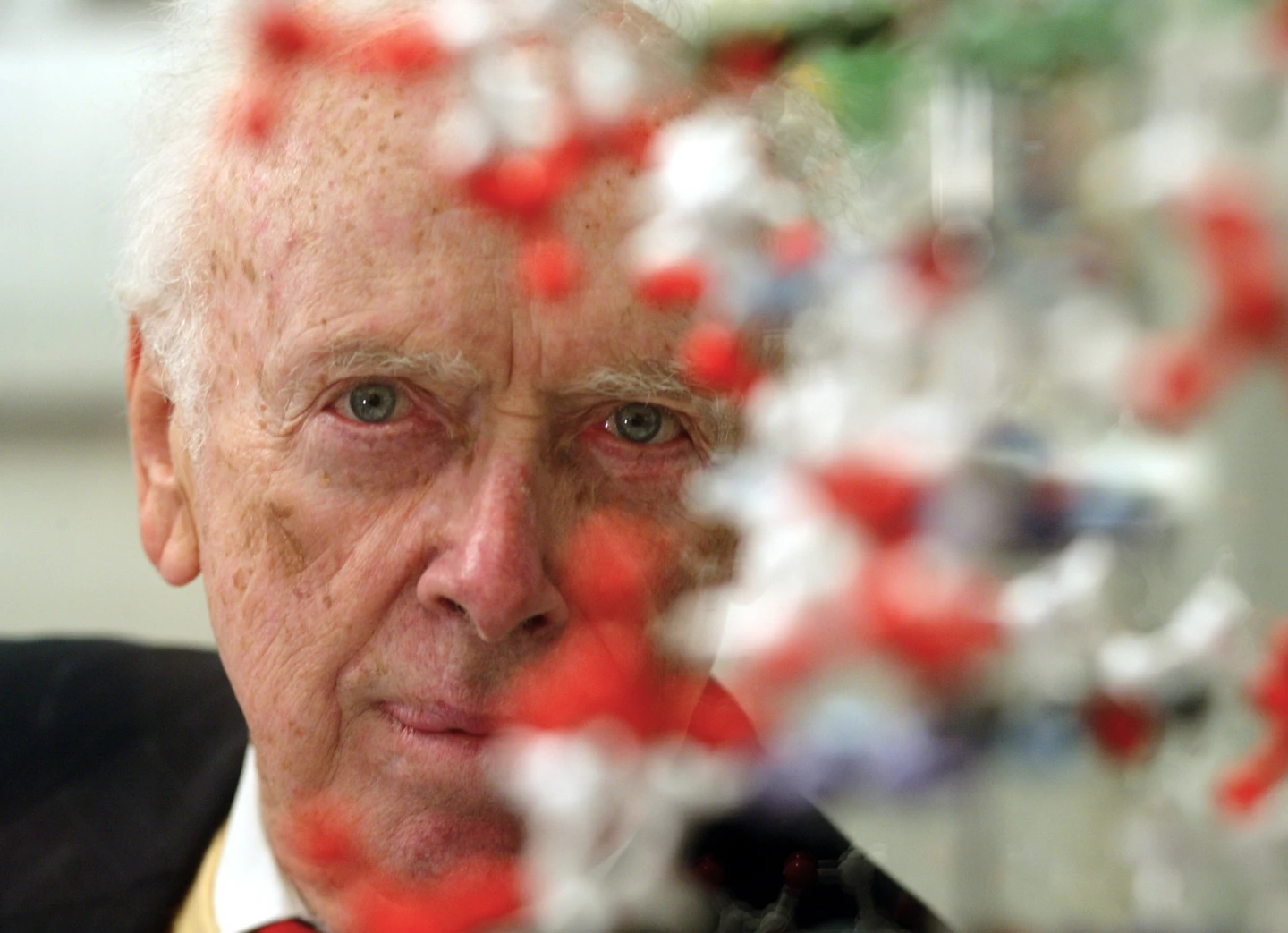
Three pioneers in neuroscience have been awarded the 2026 Nobel Prize in Physiology or Medicine for developing optogenetics, a technique that lights the brain to unlock its mysteries.
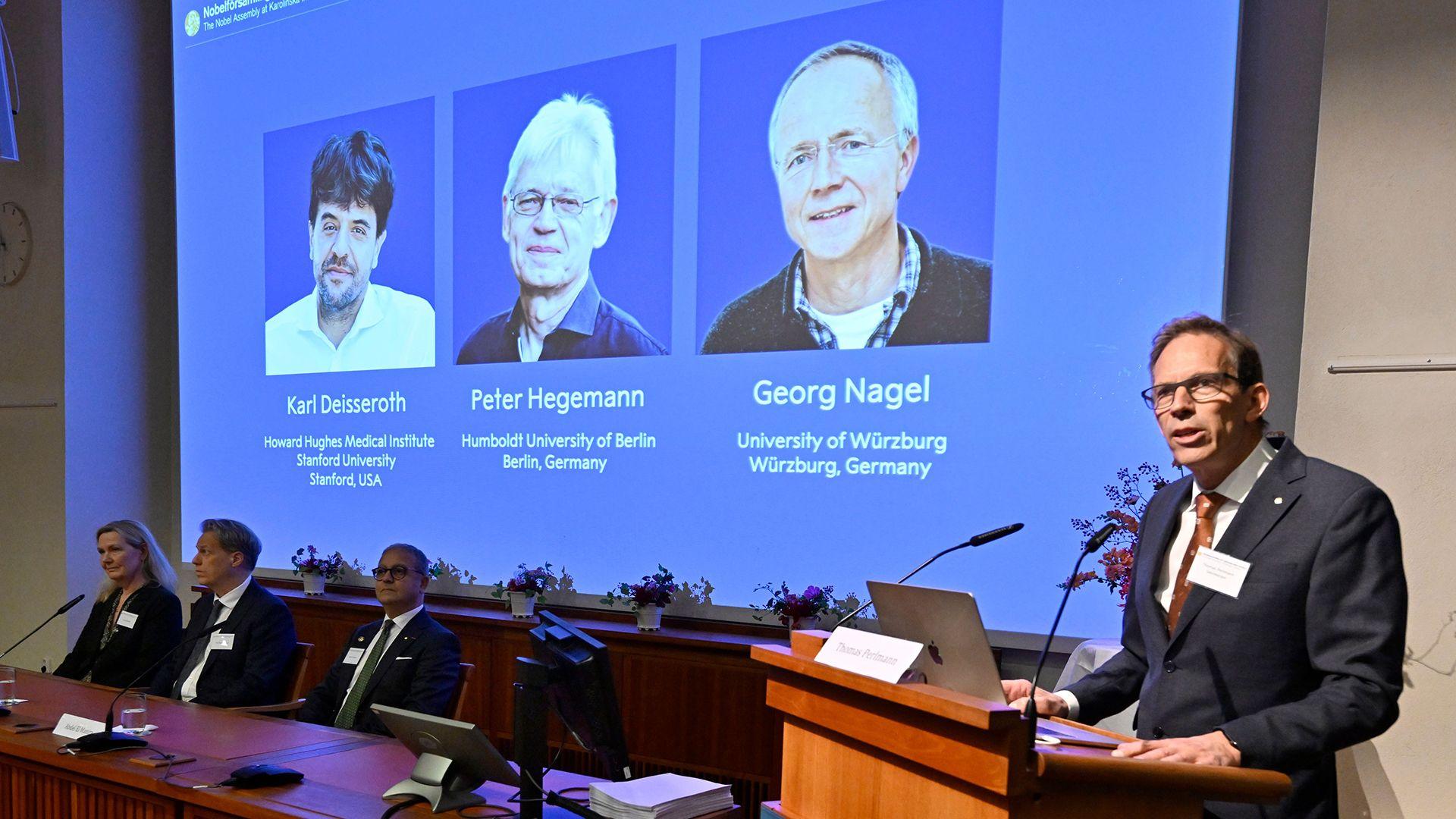
US psychiatrist Karl Deisseroth – who worked as a neuroimaging expert in Canada – joined German physicist Peter Hegemann and biologist Georg Nagel in transforming a fluorescent protein from algae into a tool that can switch nerve cells on or off with light.
The Nobel Committee praised the trio for laying a foundation for a new era in neuroscience. The award notes that optogenetics has “revealed how to switch on and off neural circuits behind specific memories, feelings and behaviours relevant for neurological and psychiatric disorders.”
The scientists are already using the method in the clinic. In early trials, patients with retinitis pigmentosa – a degenerative eye disease that destroys rod and cone cells – were fitted with a light‑sensitive protein in the retina. With special glasses that flash light, the patients reported a return of basic visual perception.
During the ceremony at the Karolinska Institute in Stockholm, the trio humbly described the prize as an “absolutely wonderful” honour and noted it would be split equally among them.
To learn more, visit the Nobel Prize official site at https://www.nobelprize.org/.