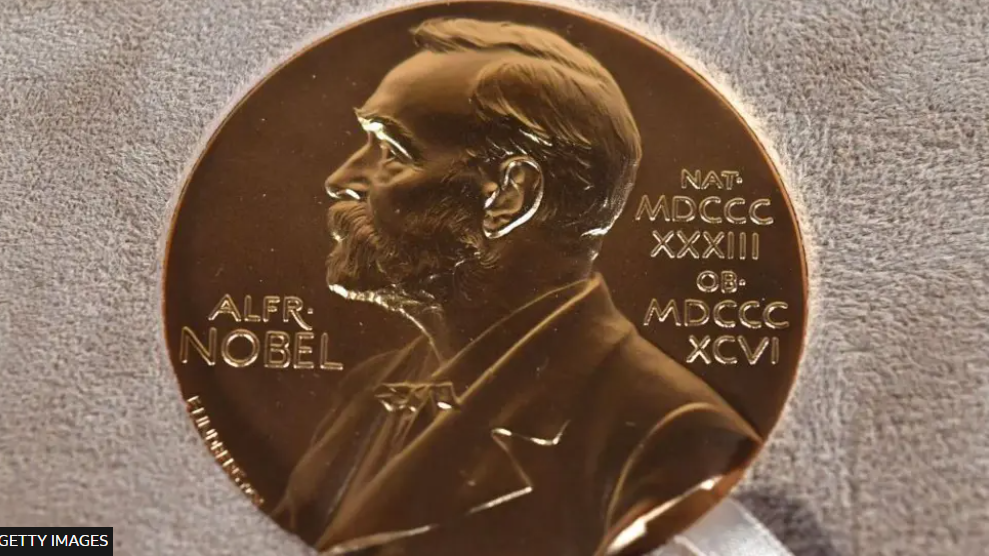
At the turn of the year, the Nobel Committee handed the prestigious Physics or Medicine award to US psychiatrist and neurologist Karl Deisseroth and his German colleagues Peter Hegemann and Georg Nagel for pioneering the technique called optogenetics.
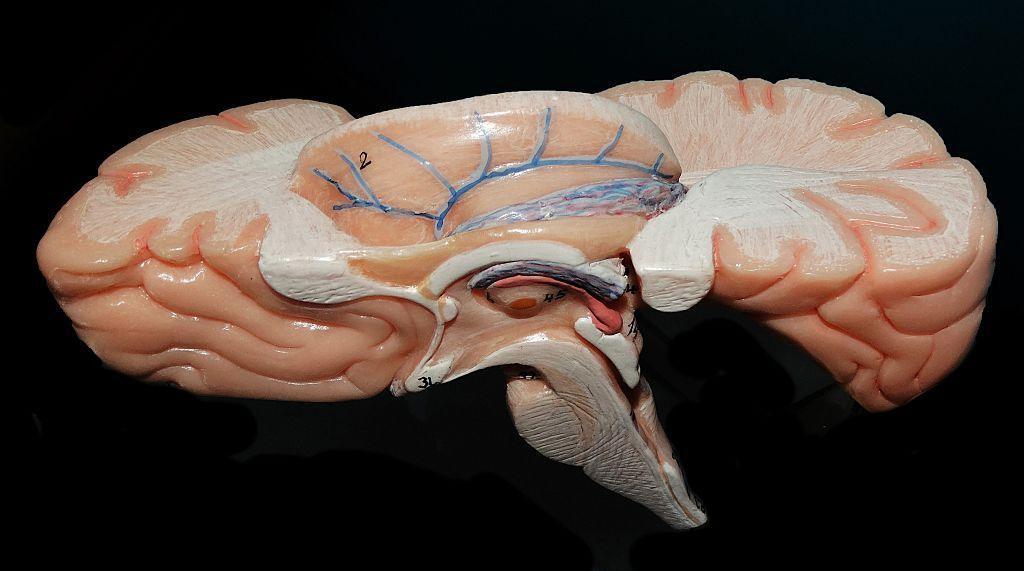
Optogenetics uses precisely timed flashes of light to turn individual groups of neurons on and off, allowing researchers to map how specific neural circuits generate emotions, memories, and even complex behaviours.
The committee praised the trio for laying the groundwork of a new era in neuroscience and for revealing the cellular circuitry underlying conditions such as depression, schizophrenia and Alzheimer’s.
In clinical practice, scientists are already using optogenetic techniques in trials to restore sight to patients with retinal blindness and to restore precise electrical control to paralyzed limbs.
With this award, the Nobel Prize brings a scientific method that now defines every recent breakthrough in the study of the brain’s “emotional code” to the public eye.