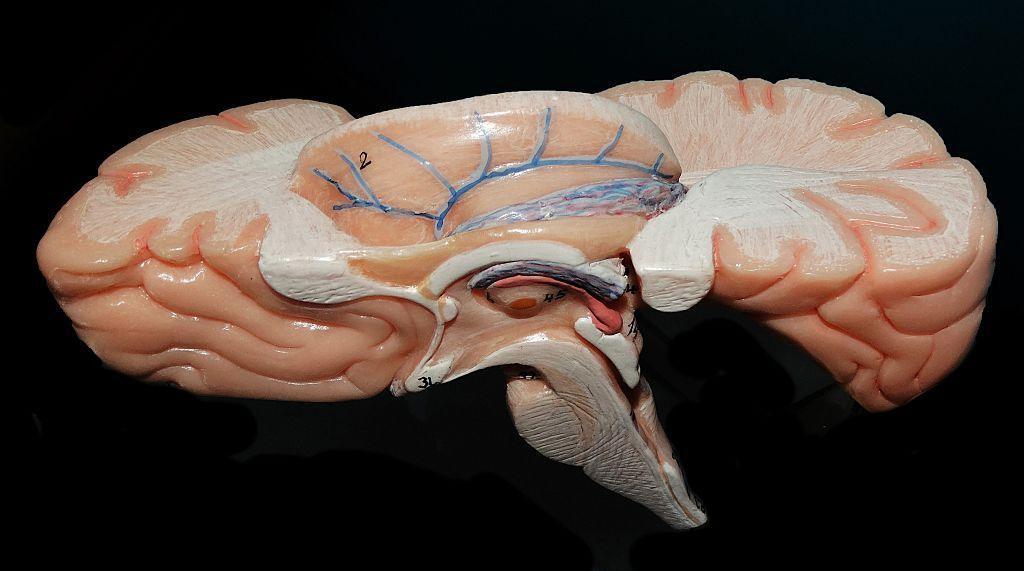
In an age where ideological divides seem insurmountable, the discourse surrounding how these beliefs shape our perception is essential. Dr. Leor Zmigrod, a political neuroscientist from Cambridge University, delves into this topic in her latest book, "The Ideological Brain: The Radical Science of Flexible Thinking." According to Zmigrod, our brain's physiology can influence our susceptibility to rigid ideologies and alter how we perceive and communicate information.
At its core, ideology serves as a framework through which we understand our world, dictating not only narratives but also rigid rules for behavior and interaction. Zmigrod argues that such rigid thinking is alluring due to several psychological needs it satisfies. Firstly, ideologies provide a context to make sense of complex realities. Secondly, they foster a sense of belonging within communities, allowing individuals to connect with others who share the same beliefs.
Additionally, Zmigrod discusses the cognitive efficiency associated with adhering to established ideological patterns. Exploring new narratives can be mentally draining, while following familiar rules may feel more manageable. However, she contends that ideologies ultimately inhibit our direct experiences and limit our adaptability. They create barriers that obscure our ability to critically analyze evidence and differentiate credible information from misinformation.
In her exploration, Zmigrod also shines a light on how ideological thinkers may struggle with reliability as narrators of their experiences, a nuance that holds significant implications for discourse in a polarized society. As she articulates in her book, breaking free from these cognitive confines requires active engagement and a willingness to reassess our beliefs in the light of new evidence.
At its core, ideology serves as a framework through which we understand our world, dictating not only narratives but also rigid rules for behavior and interaction. Zmigrod argues that such rigid thinking is alluring due to several psychological needs it satisfies. Firstly, ideologies provide a context to make sense of complex realities. Secondly, they foster a sense of belonging within communities, allowing individuals to connect with others who share the same beliefs.
Additionally, Zmigrod discusses the cognitive efficiency associated with adhering to established ideological patterns. Exploring new narratives can be mentally draining, while following familiar rules may feel more manageable. However, she contends that ideologies ultimately inhibit our direct experiences and limit our adaptability. They create barriers that obscure our ability to critically analyze evidence and differentiate credible information from misinformation.
In her exploration, Zmigrod also shines a light on how ideological thinkers may struggle with reliability as narrators of their experiences, a nuance that holds significant implications for discourse in a polarized society. As she articulates in her book, breaking free from these cognitive confines requires active engagement and a willingness to reassess our beliefs in the light of new evidence.