Global Opinion Turns: China Surpasses U.S. in Popularity, Pew Study Finds
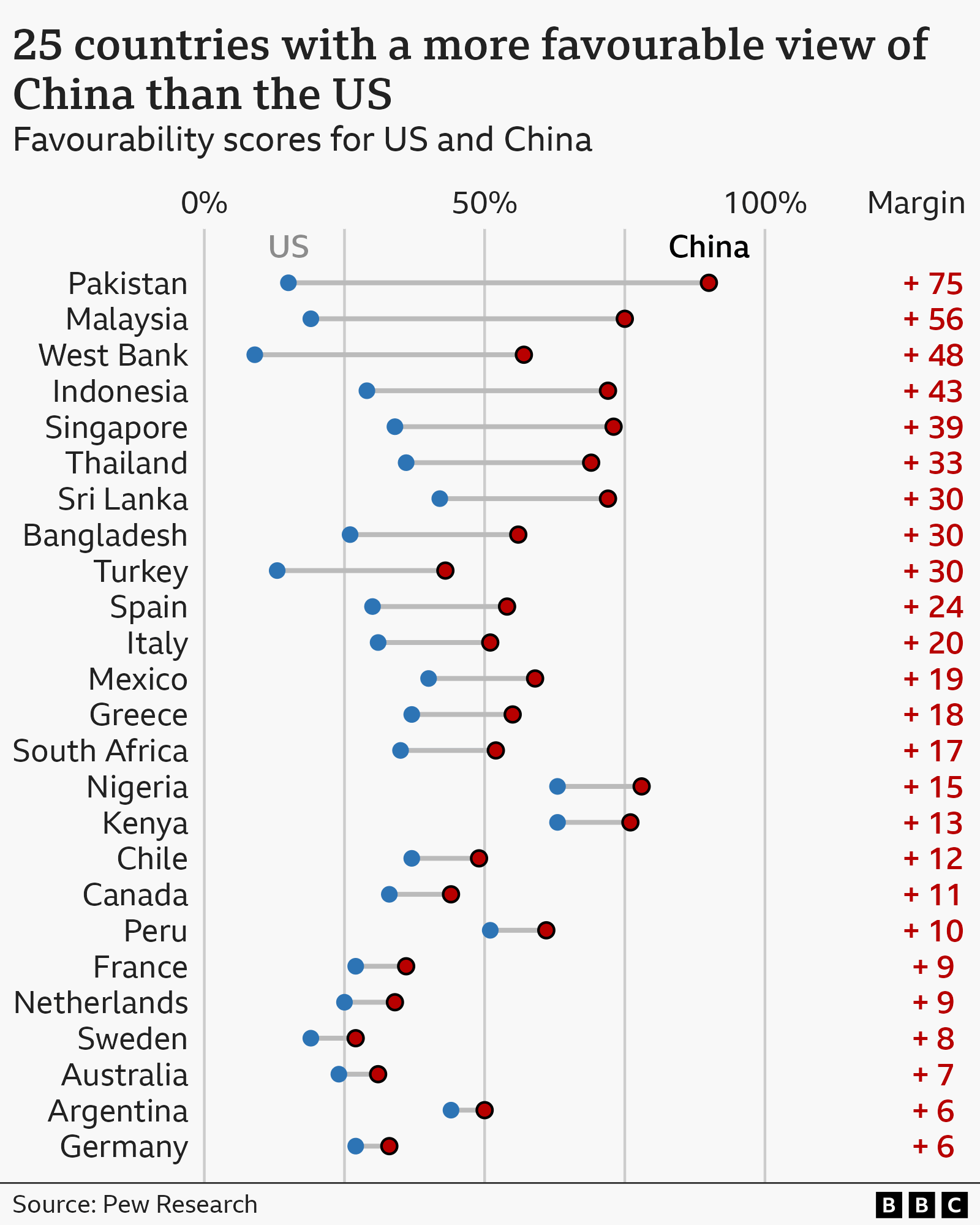
A nationwide poll by the Pew Research Center revealed that in 25 of 36 countries surveyed, more people hold favorable views of China than the United States. This is the first time the independent research body has recorded such a global tilt.
The survey – conducted between February and May 2026 – gathered responses from over 42,000 participants in 36 diverse nations, ranging from Spain and Italy to Pakistan and Japan. In 25 of those countries, the percentage of respondents who identified China as “very or somewhat favourable” exceeded that for the United States.
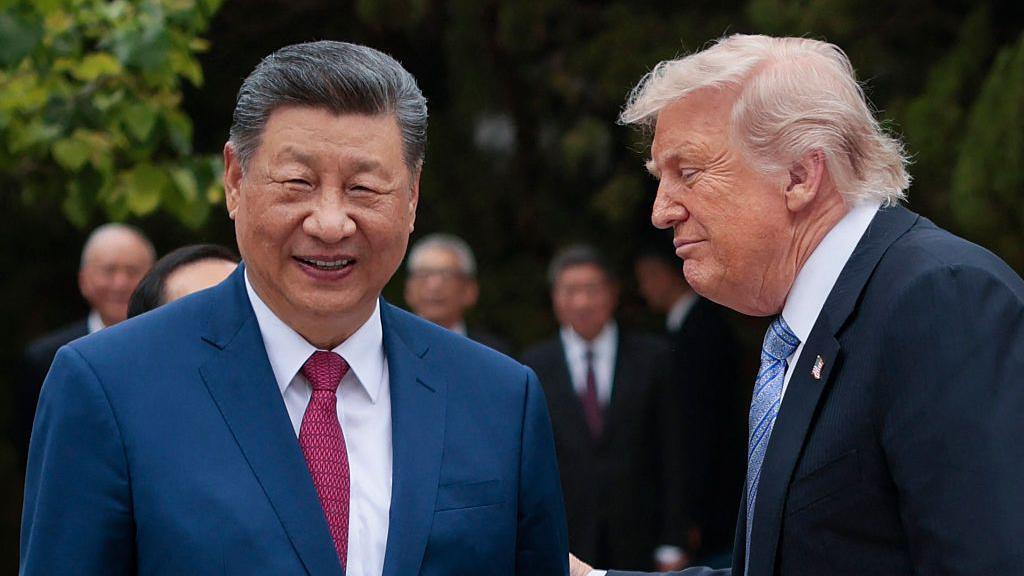
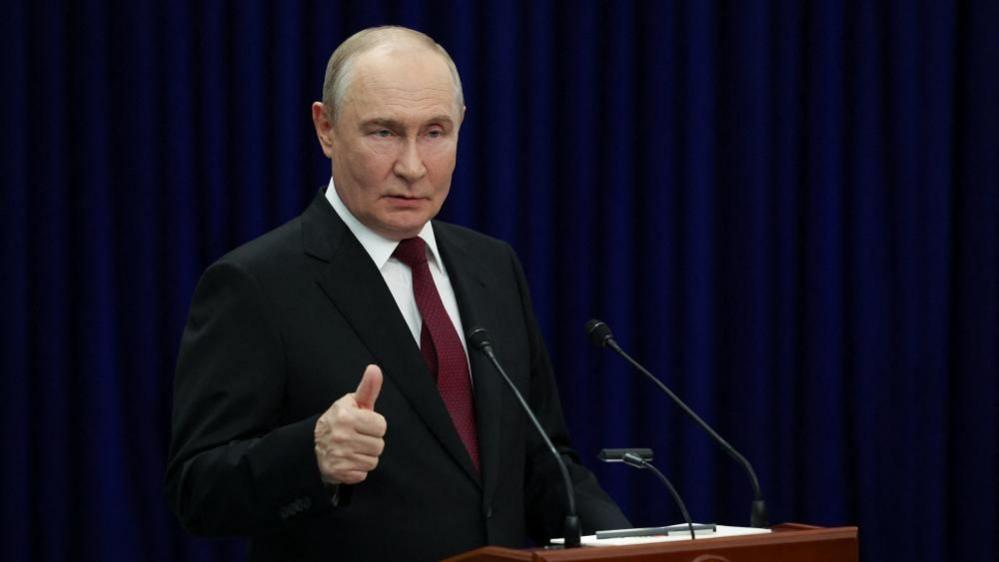
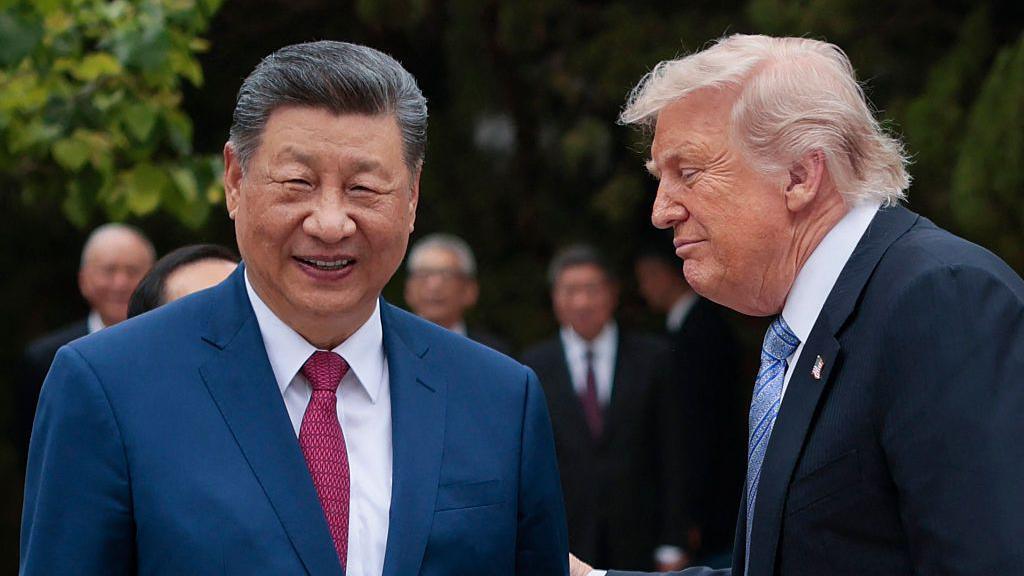
While confidence in both leaders remains low – most scores sit below 50% – China’s president Xi Jinping enjoys slightly more confidence worldwide than U.S. President Donald Trump. The survey found that 83% of surveyed Pakistanis favor Xi, whereas only 7% of Japanese participants do, reflecting regional differences.
The study also recorded that most respondents agree the U.S. government respects personal freedoms more than China’s, yet the perceived degree of overseas interference is lower for China. In median estimates, 75% of respondents in middle‑income countries believe the U.S. interferes “a great deal or a fair amount,” versus 45% who see China as doing the same.
Pew’s latest findings reflect a broader trend noted by other observers. Gallup’s 2025 polling data recorded China surpassing the U.S. in global approval ratings for the first time in two decades, while Asia Society’s survey indicated a modest recovery of China’s image after a dip during the pandemic.
The research was conducted by Jonathan Schulman and a team of scholars, who noted that middle‑income countries tend to view China more positively, whereas wealthier nations show less favourable attitudes – an exception being Singapore, which, despite its high GDP per capita, scores highly for China.
Across the Asia-Pacific, perceptions vary dramatically: roughly 90% of Pakistanis favour China, contrasted with just 11% of Japanese respondents. Such disparities underscore how geopolitical context shapes public sentiment.
While the study highlights China’s growing popularity, experts caution that high favorability does not equate to high trust in its leadership. Analysts point out that China’s assertiveness and domestic policy decisions continue to raise concerns, especially regarding freedoms and minority treatment.
In sum, the study marks a historic shift in global public opinion, with China’s influence outpacing the United States in a majority of surveyed countries, even as trust in both leaders remains limited.