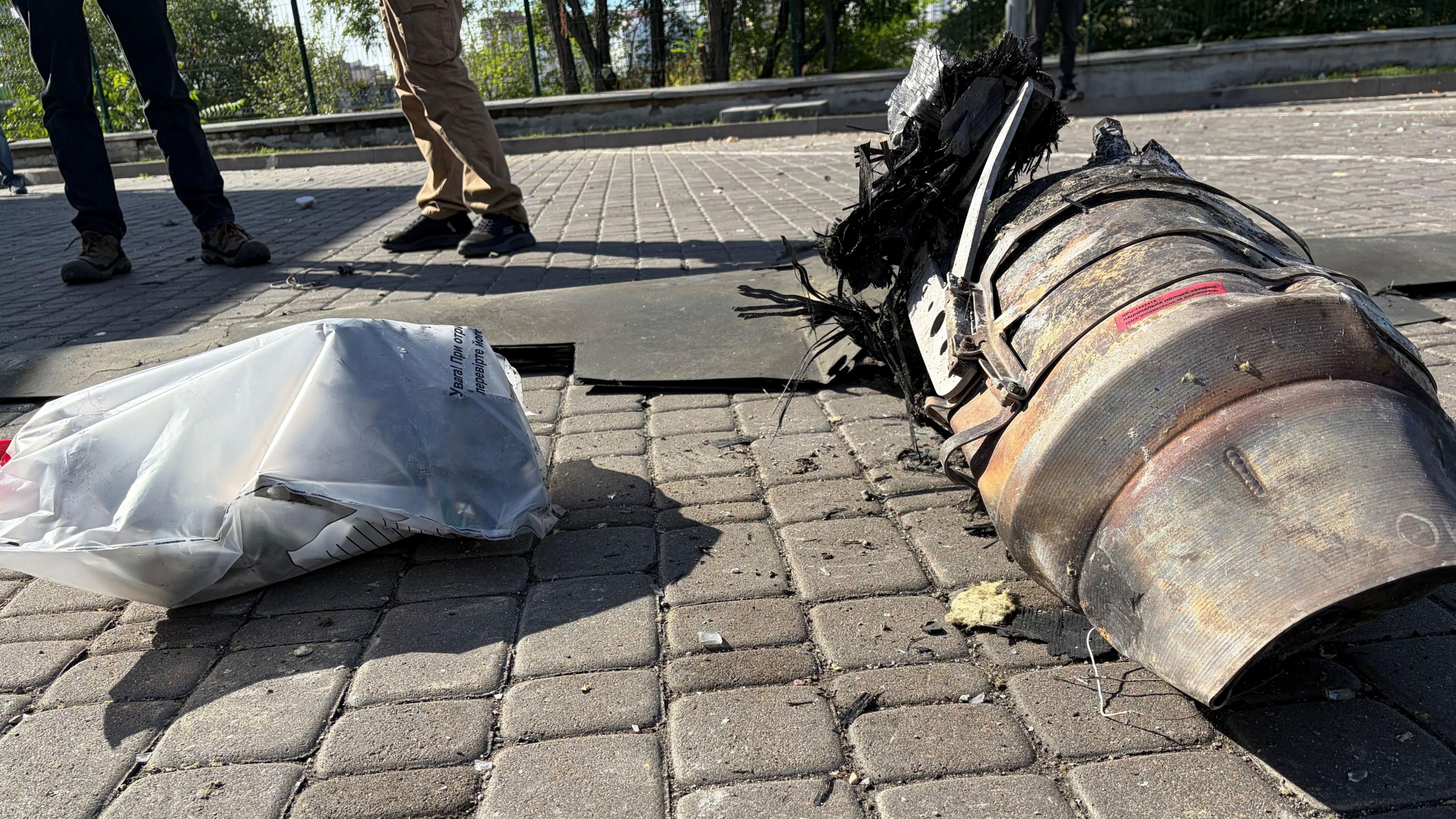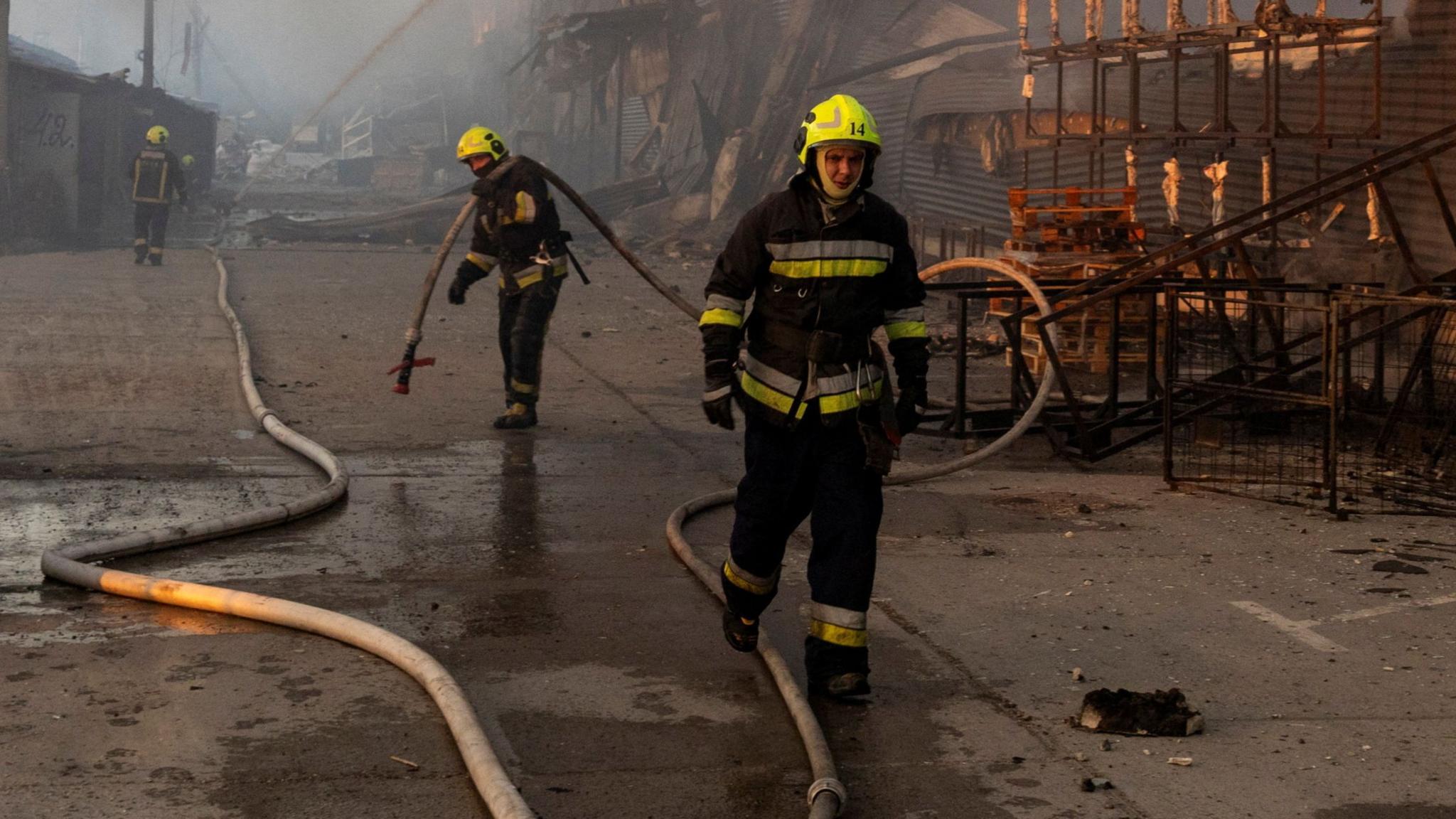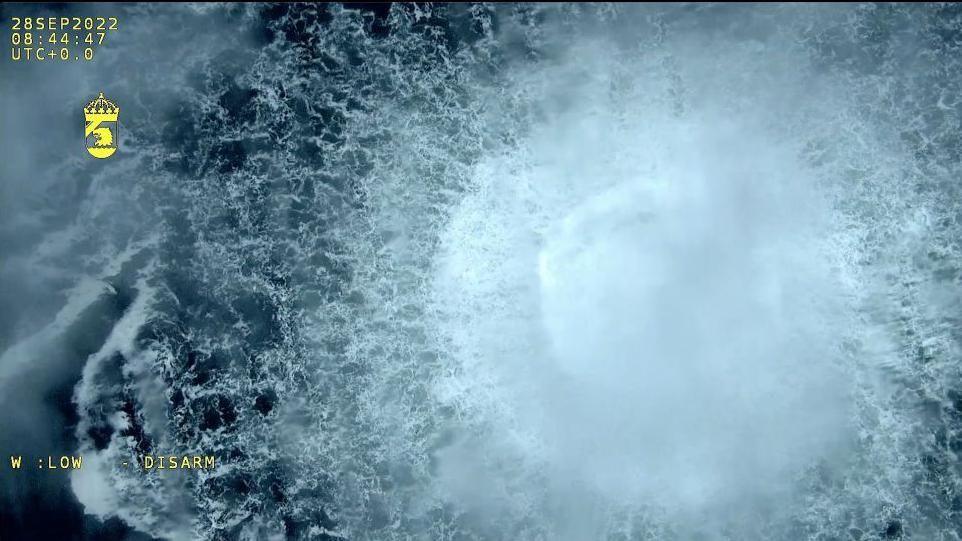

It was 02:03 a.m. on 26 September 2022 when the first blast severed part of the Nord Stream pipelines, sending vast quantities of gas to surface in the Baltic Sea. Two more explosions followed, targeting the still‑in‑construction Nord Stream 2 and the original Nord Stream 1, which had supplied roughly half of Germany’s annual natural‑gas demand. The ruptured lines have remained inoperable ever since.
Prosecutors say high‑performance explosives were planted some 80 metres below the surface. Four devices, each weighing up to 27 kg, were fitted with timers. Authorities suspect that Serhii K led a crew of four deep‑sea divers using a rented yacht called Andromeda and that, after the job, the saboteurs vanished before leaving DNA evidence on the boat.
Only after months of investigation did German police narrow the list of suspects. German authorities now hold evidence linking Serhii K – a former Ukrainian special‑forces soldier – to the blasts. His profile shows that he had a forged passport, most likely issued by Ukrainian security services, which he used to enter Germany under the name Serhii Kulinich.
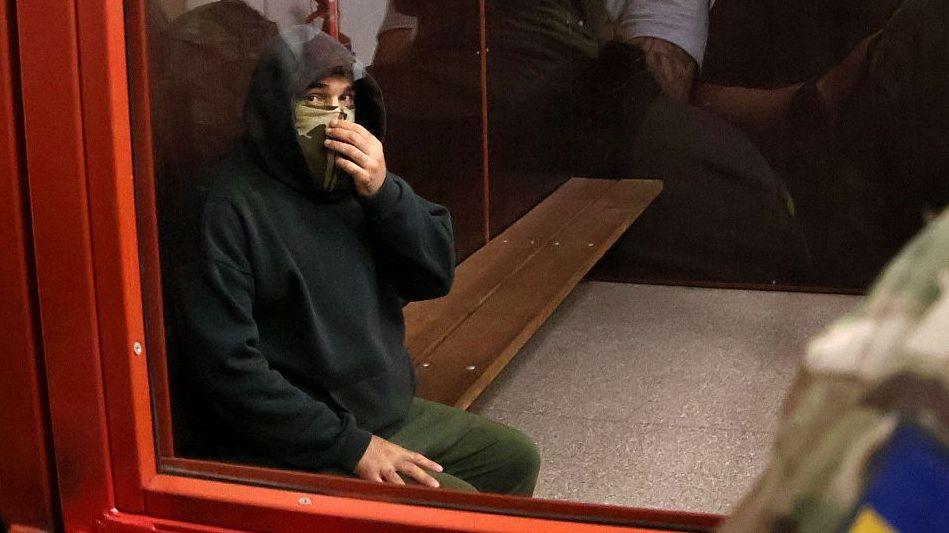
Serhii K was quietly residing in an Italian glamping resort on the Adriatic coast when police tracked him. Alerts sent to Italian authorities when he showed his passport at check‑in triggered a local arrest warrant, and he was taken into custody that same evening. The arrest, made public a day after German prosecutors filed an extradition request, prompted K to return to a high‑security German prison where he remains in isolation.
On 27 March 2026, the German Federal Public Prosecutor’s Office will begin K’s trial in Hamburg. He will face charges of causing an explosion and of committing a war crime – the unlawful destruction of civilian infrastructure – allegedly acting on behalf of “state agencies of Ukraine.” He will testify only indirectly, with his legal team arguing that he cannot disclose operational details as a former soldier and that sworn statements from two of his military superiors will back this claim.
The case has generated a swirl of political reaction across Europe. Germany’s far‑right Alternative für Deutschland (AfD) party has used the alleged sabotage to question German support for Ukraine, citing the trials as evidence that Kyiv’s military ventures carry hidden risks. Meanwhile, Ukrainian officials have repeatedly denied any role in the explosions, urging that the focus should be on those who built the pipelines, not on who blew them.
The fallout extends beyond the courtroom. Several other suspects remain unnamed, including volunteer diver Volodymyr Zhuravlyov, who was arrested in Croatia and is fighting extradition. The dispute illustrates the complex nature of wartime targeting, especially when civilian infrastructure is involved in conflict zones that cross national borders.