In brief
Abhijeet Dipke, founder of the Cockroach Janta Party (CJP), was detained in Delhi before a protest in Connaught Place calling for the resignation of Chief Election Commissioner Gyanesh Kumar amid accusations of voter‑roll manipulation. Police sealed Central Park, surrounding the planned rally site and deployed thousands of officers. Dipke’s second detainment in less than a week follows earlier arrests of other CJP leaders, but the movement vows to continue protests regardless of leadership loss. The crackdown has drawn criticism from opposition politicians and left‑wing activists, while authorities claim it was necessary to maintain public order. The CJP claims its right to raise the tricolour remains intact and urges supporters to circulate images of flag‑waving across the city.
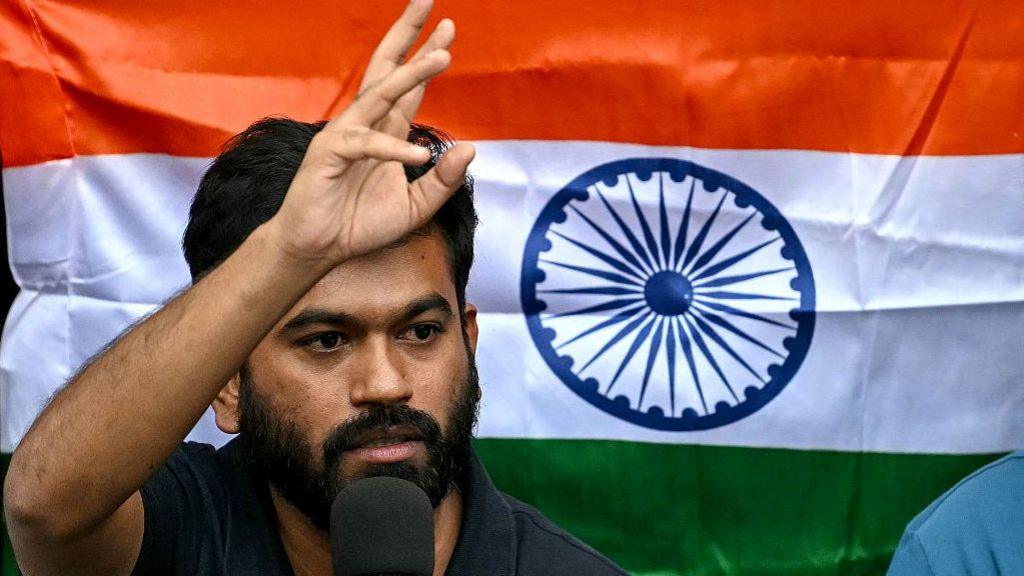
Abhijeet Dipke, the founder of India’s Cockroach Janta Party (CJP), was taken into police custody in Delhi earlier this evening, days after the city’s security forces tried to prevent a march demanding the resignation of Election Commissioner Gyanesh Kumar.
Hundreds of protesters, mainly young people rallying under the CJP banner, gathered in Connaught Place, the capital’s bustling commercial hub. They waved Indian flags and shouted slogans in a show of defiance, but the authorities had sealed off Central Park – a popular protest venue – and deployed an overwhelming police presence to block the march.
This is Dipke’s second detention in less than a week. Last Saturday his flight was boarded in Delhi shortly after landing, and he was held for a day before release. Now, a few hours after a live Instagram confrontation with officers, police surrounded him on the street and forced him into a vehicle, a move that was captured in real time by the BBC.
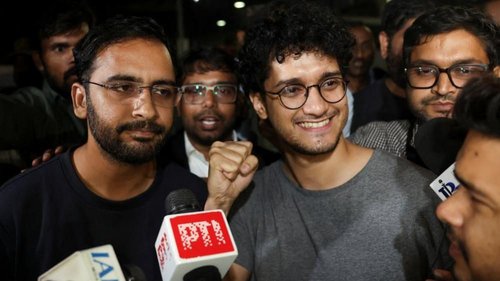
Other CJP leaders, Saurav Das and Ashutosh Ranka, were also released after last weekend’s crackdown but were jailed for five days following a later return to the now‑closed Jantar Mantar protest site. Their detentions, reportedly. authorities say were for breaching the conditions of their release; the CJP denies any wrongdoing.
The CJP claims the elections body’s “Special Intensive Revision” of voter rolls is a cover to purge voters in a way that favours the ruling BJP. The Election Commission insists it is removing ineligible, deceased and duplicate names, denying any bias.
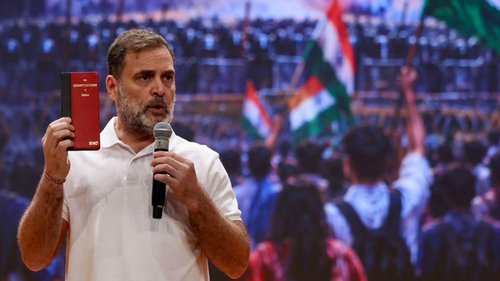
Police and the government argue the clampdown was necessary to maintain public order and prevent unauthorised gatherings. Opposition leaders, including Rahul Gandhi, have faced detentions themselves while marching against the commission, demanding the reopening of Jantar Mantar.
Despite the loss of its three main leaders, the CJP remains resolute. A spokesperson, Mehr Pasricha, said: “They may detain three people, but how will they stop 30 tomorrow? How will they stop 300 leaders?” The party, dubbed “cockroach” after a chief justice’s derogatory remark, has swiftly shifted tactics, telling supporters to enter Connaught Place in small groups, wave the national flag, photograph it, and leave.
While police warn against holding the march without authorization, the CJP insists that waving the tricolour is not a crime. With heavy security in place, the protest continued in waves around Central Park, drawing both journalists and law‑enforcement officers in numbers far outpacing the demonstrators.
The crackdown has sparked debate on the balance between ensuring public safety and protecting the right to protest in a democratic society. The CJP, the opposition parties, and civil society groups all maintain that the protest remains legal, and they threaten to keep marching if their demands for electoral transparency are not heard.