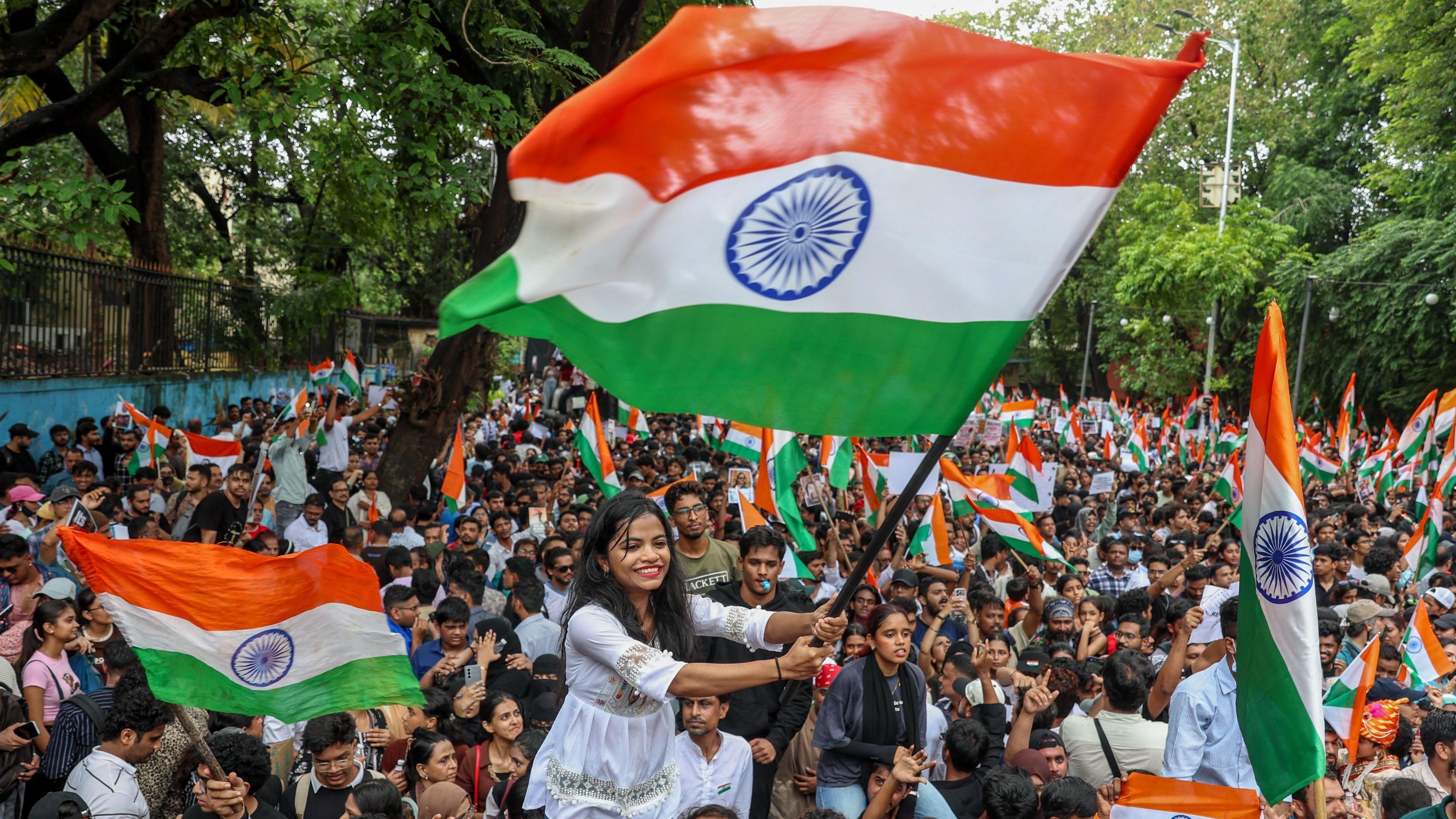
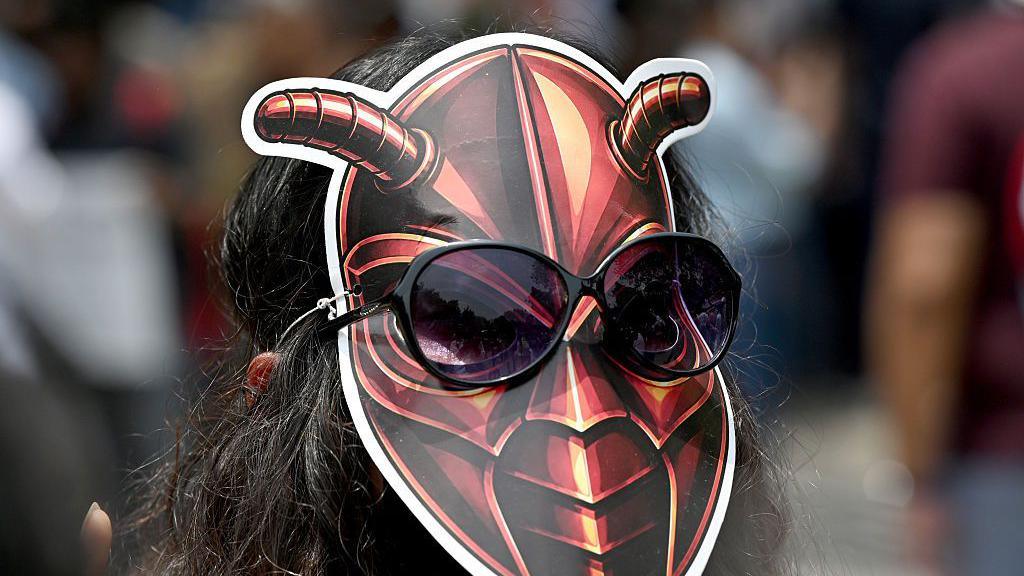
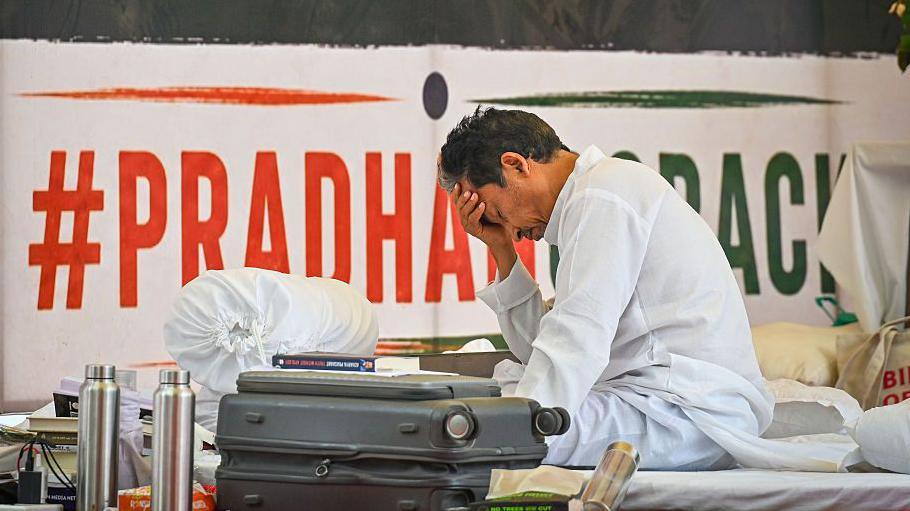
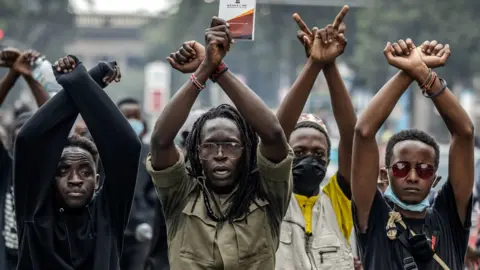
Hundreds of demonstrators affiliated with the Cockroach Janta Party (CJP) were detained by Delhi police following a planned protest that began in May. The movement took its name after a comment from the chief judge of India, who likened some unemployed young people to “cockroaches”, sparking outrage and a call for a nationwide demonstration.
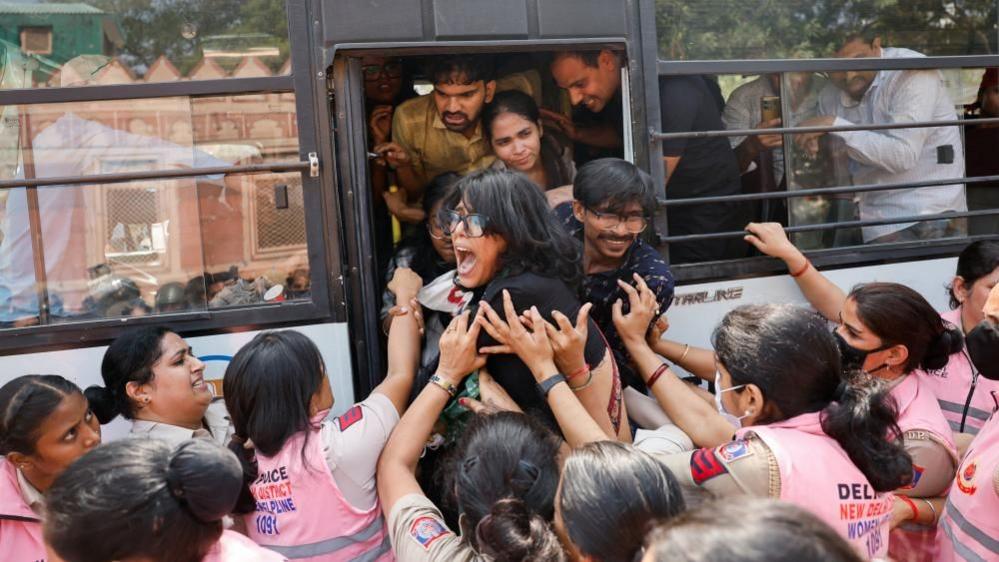
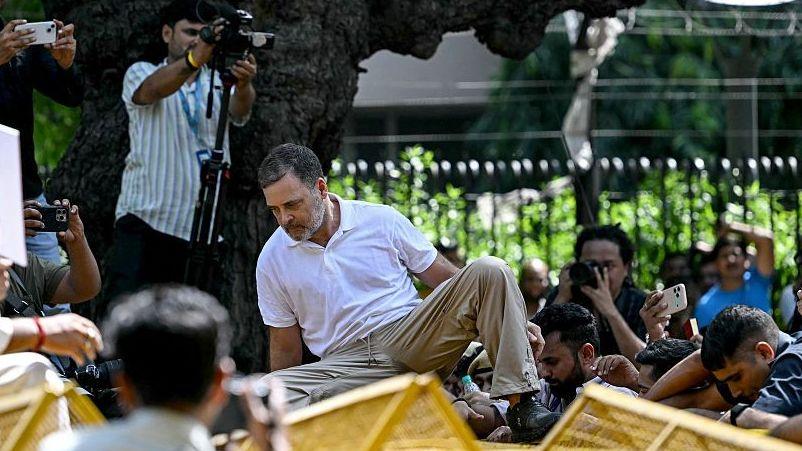
Despite police prohibiting the rally, the CJP declared that it would proceed. When the protestors gathered on the streets of Delhi, law‑enforcement authorities, backed by tens of thousands of security personnel, boarded the area and immediately began arrests. The founder of the group, Abhijeet Dipke, was among those taken into custody shortly after the protest began.
The crackdown was swift, with roads blocked and barricades erected to prevent the demonstrators from moving. People in the surrounding neighborhoods reported seeing buses being evacuated and protestors shouting as police began detaining them. Images spread on social media showed police officers restraining individuals and moving them into holding cells.
On the ground, BBC correspondent Azadeh Moshiri provided updates on the context and background of the CJP’s protest, highlighting the group’s frustration with the government’s handling of unemployment and civil liberties. The CJP’s actions and the ensuing detentions have drawn international attention to the political climate in India and the power of youth movements.