Women Protesters Face Online Hate After India's CJP March
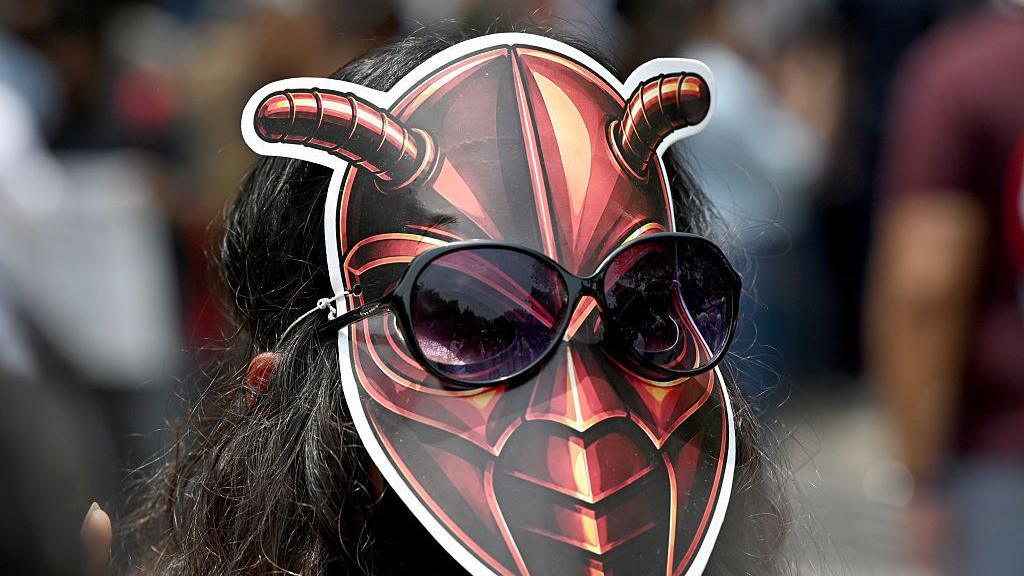
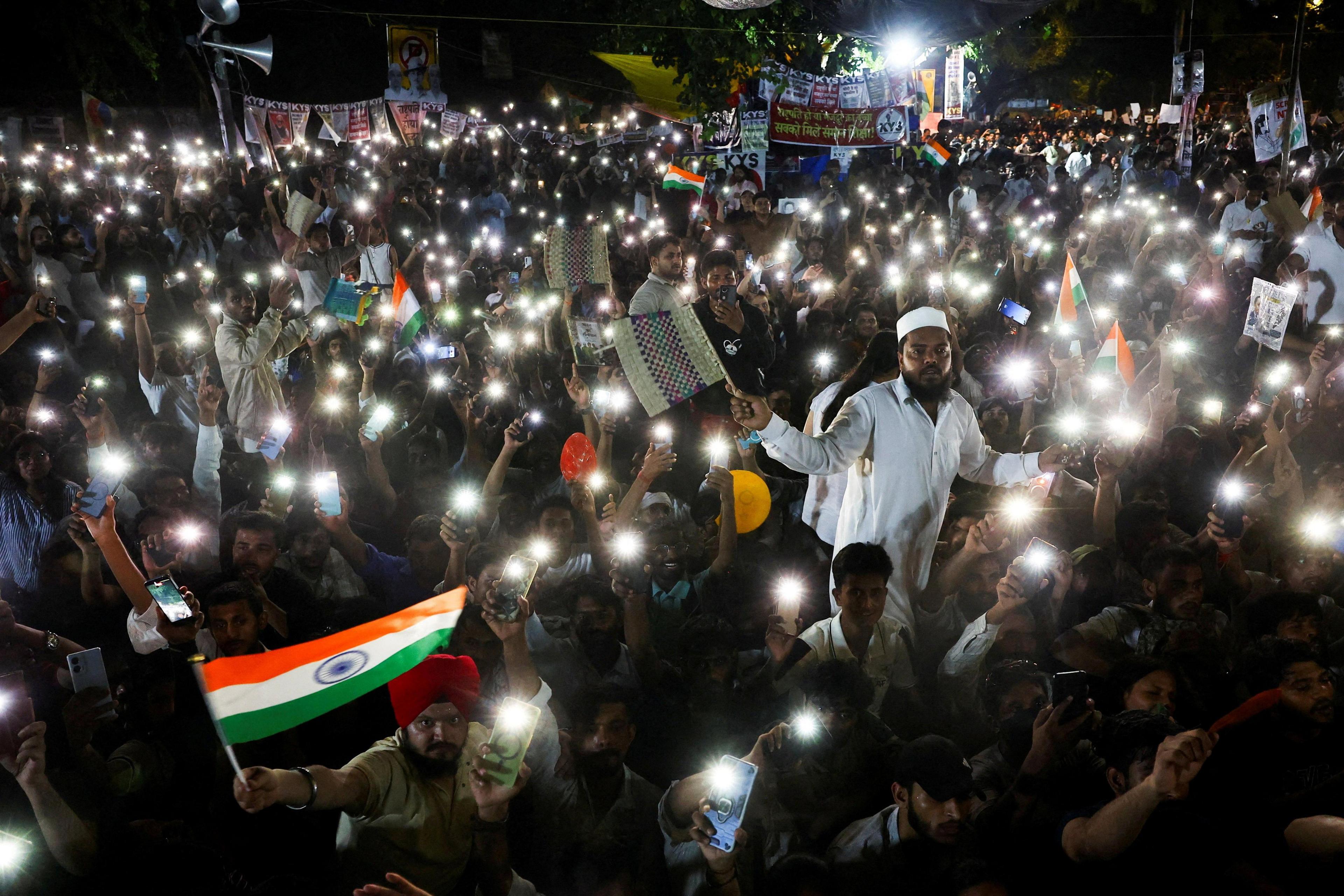
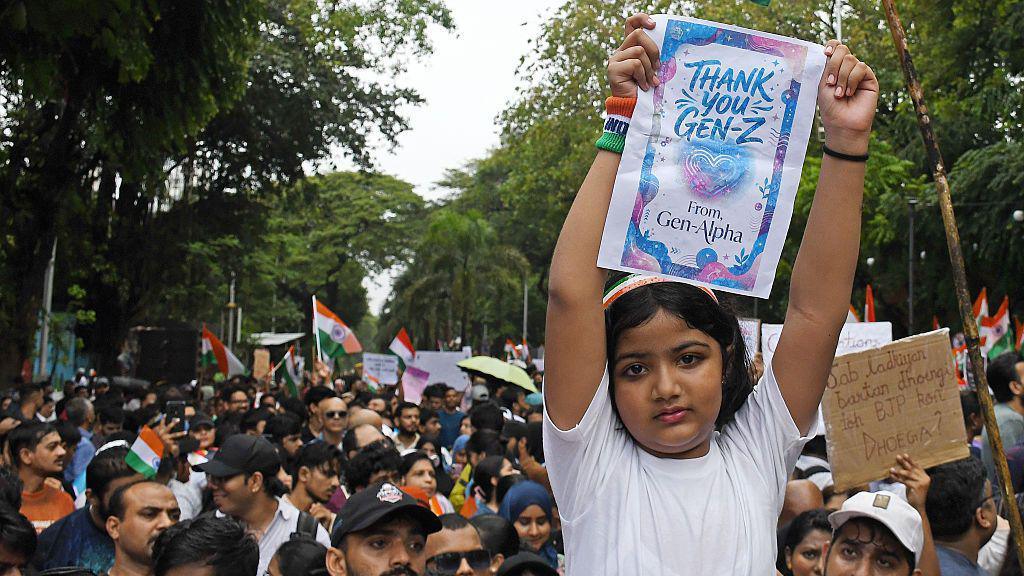
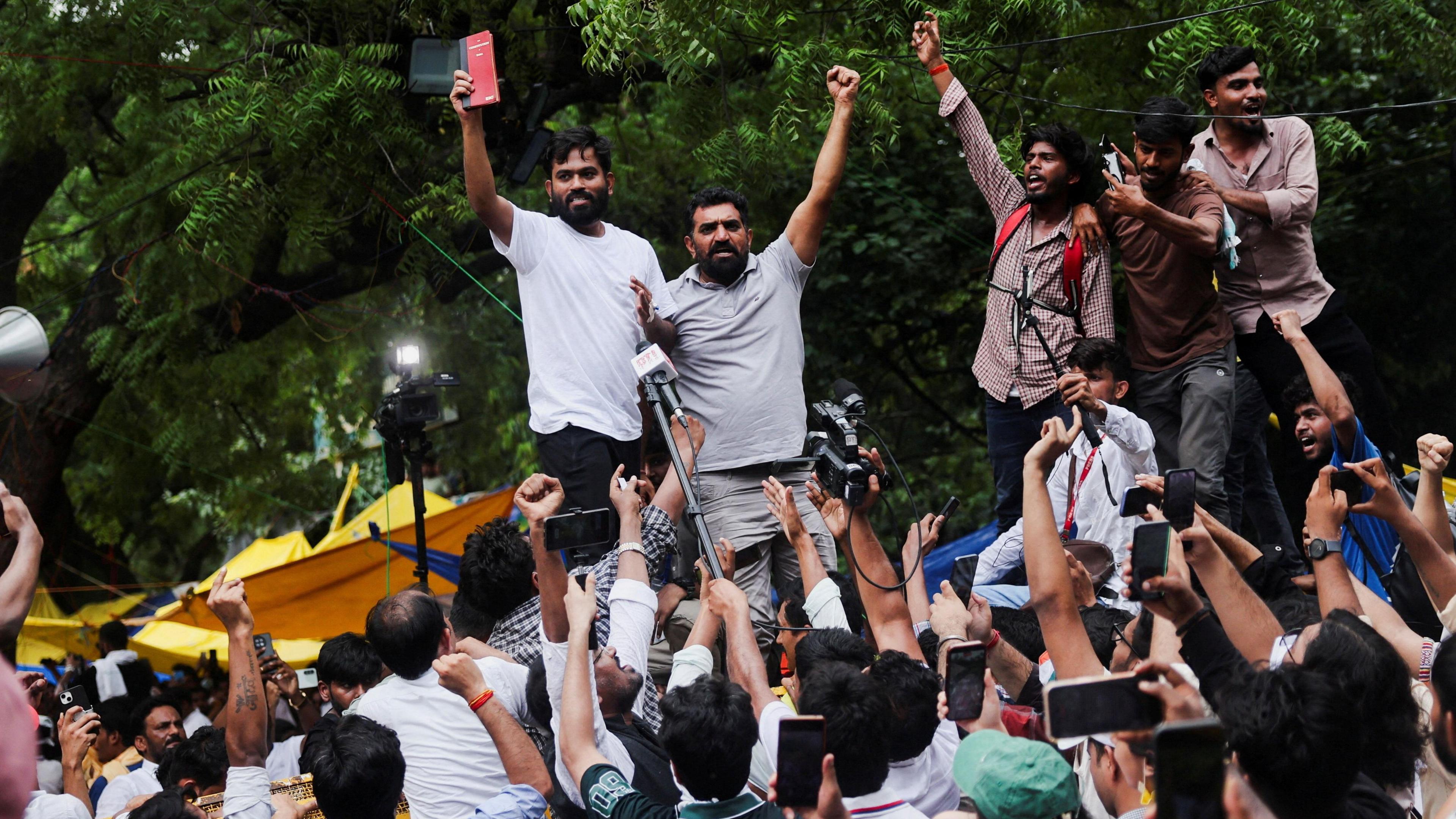
The Cockroach Janta Party, a youth‑led movement that helped force the resignation of India’s education minister, turned memes, reels and viral videos into its calling card. Those short clips—lip‑syncs, sarcastic reels and jokes filmed on the way to protests—took the world by storm, turning students into recognizable faces on social media.
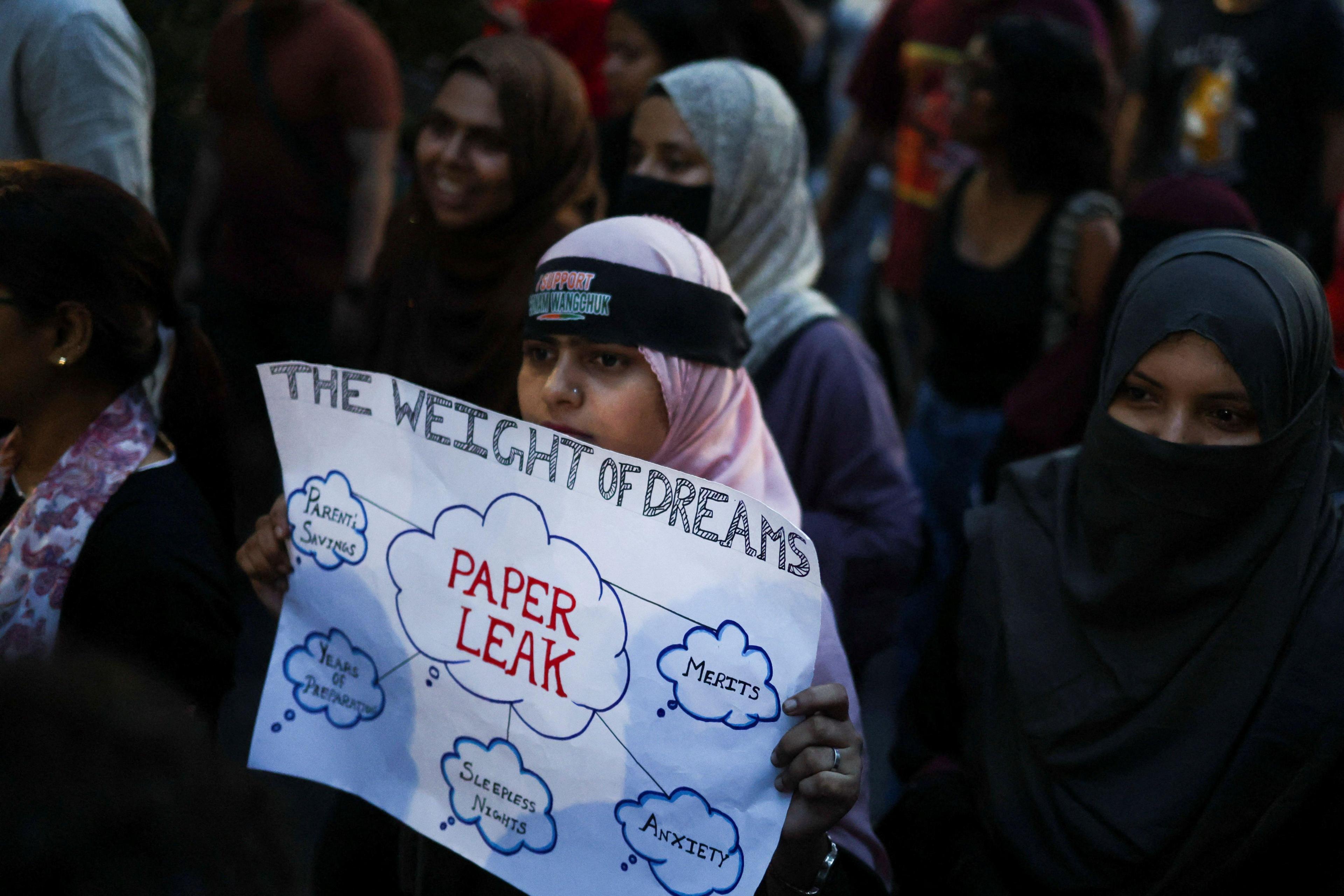
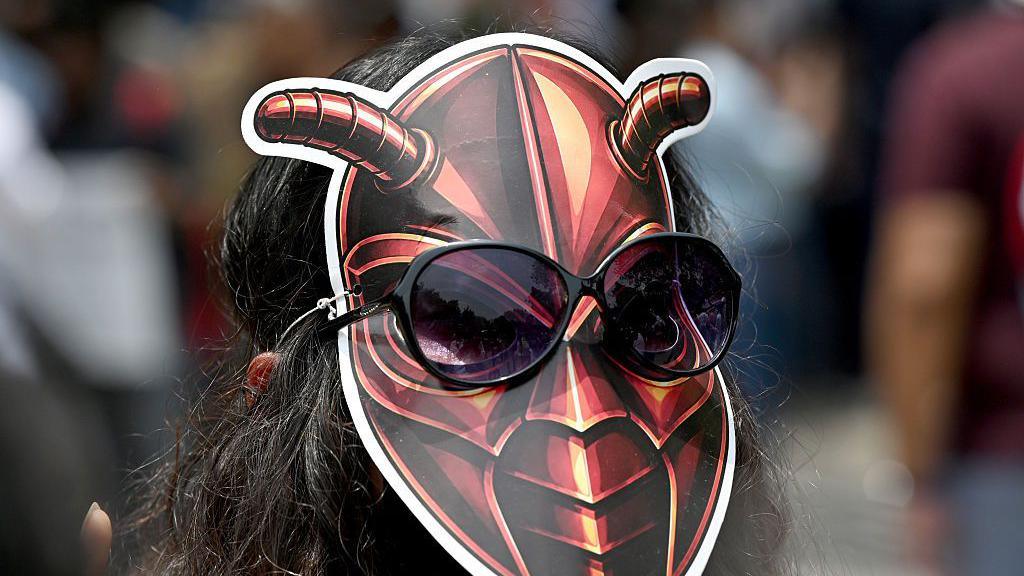
Yet the online successes came at a hidden cost. The BBC spoke to four women—content creators, a college student, a Muslim student activist, and a student from West Bengal—who reported a wave of hate after the protests ended. They describe how the backlash was gendered, vicious and detailed: rape threats, doctored images that spread online, strangers hunting their photos and videos, and men humiliating them with sexist slurs.
As one anonymous content creator explained:
”I was slut‑shamed and attacked for questioning Modi after the protest. I’ve deleted countless messages and blocked anyone who criticized me.”
The college student, who had never before spoken out, recalls the terror when her protest footage became part of a national TV narrative. Her phone received anonymous messages that promised police reports, beatings, arrests and threats of “teaching her a lesson”. She later hid her posts, renamed herself online and feared for her parents’ safety.
A Muslim student activist, accustomed to vocal dissent, found her account buried under a tide of hate. Her name, her religion, and her rebellion were all used as targets, and she now keeps her account private and muted.
In West Bengal, a student involved in online fundraising for protest supplies began to see explicit abuse in comments and private messages: being called a prostitute and threatened with detention. She took her account private, blocked unknown contacts, and removed the fundraiser altogether.
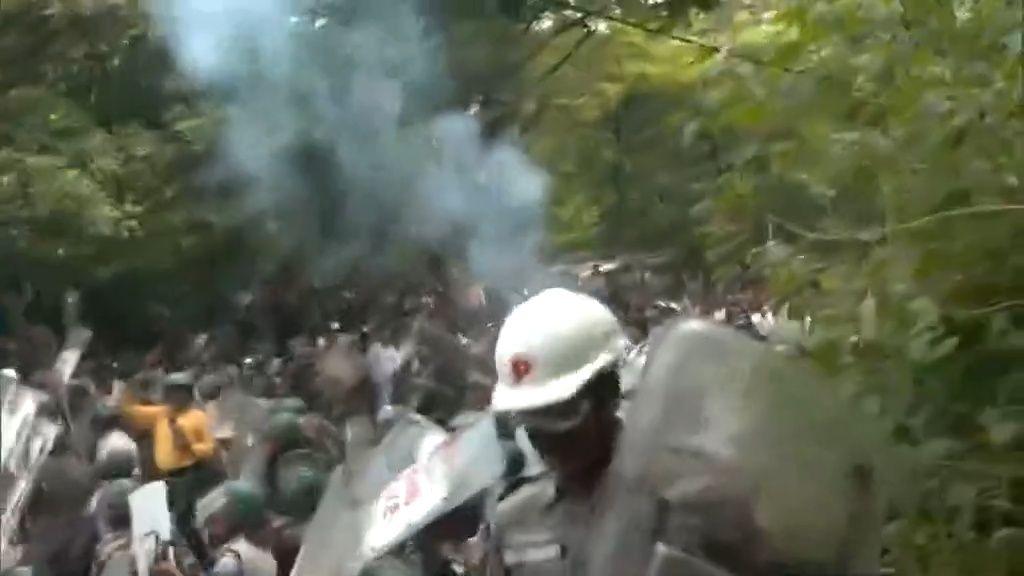
The stories illustrate how public online activism can trigger a violent chain reaction: from tear gas at the march to a deluge of misogynistic harassment, doxxing and indignant calls for arrest. The backlash is starkly dissimilar for men, who could voice similar views without facing gendered slurs.
These episodes raise a broader question—how can women safely voice dissent on the internet when the cost includes personal safety and emotional well‑being? The BBC’s investigation highlights the need for stronger protections against cyber‑violence and gender‑based harassment in India’s digital landscape.