In brief
India’s main opposition parties converged on the Supreme Court in New Delhi, demanding the resignation of Chief Election Commissioner Gyanesh Kumar amid accusations of voter roll manipulation favouring Prime Minister Narendra Modi’s BJP. The protest, emblematic of a growing strain in Delhi’s political climate, saw a heavily policed route and road blockades that stifled traffic and limited mass turnout. Opposition leaders, including Rahul Gandhi and the Chair of the Congress, explained that the election chief’s handling of the recent electoral roll revision had compromised the vote‑count integrity. Despite a refusal by Chief Justice Surya Kant to meet the delegation, the march underscored the opposition’s claim that the judiciary should act on procedural grievances. The government denied the allegations and pledged to review any evidence presented, while civil society groups warned of escalating tension and potential suppression of press freedom. The demonstrators called for transparency in electoral processes, highlighting the urgency of safeguarding democratic norms in a contentious election season.
India’s main opposition parties gathered at the Supreme Court in New Delhi today to demand the resignation of Chief Election Commissioner Gyanesh Kumar, citing alleged manipulation of voter rolls that could benefit the ruling Bharatiya Janata Party.
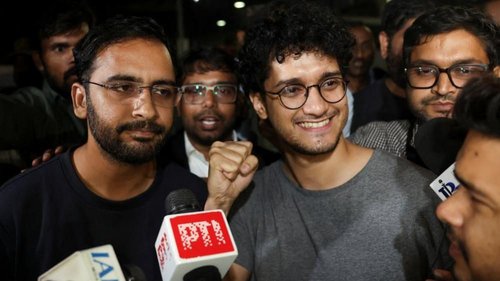
The march, scheduled for Monday, was the latest in a series of demonstrations across the capital, with thousands of security forces deployed and key roads barricaded by authorities. Some opposed participants were detained during a weekend protest organised by the Cockroach Janata Party pressure group, which had been met with a swift police crack‑down.
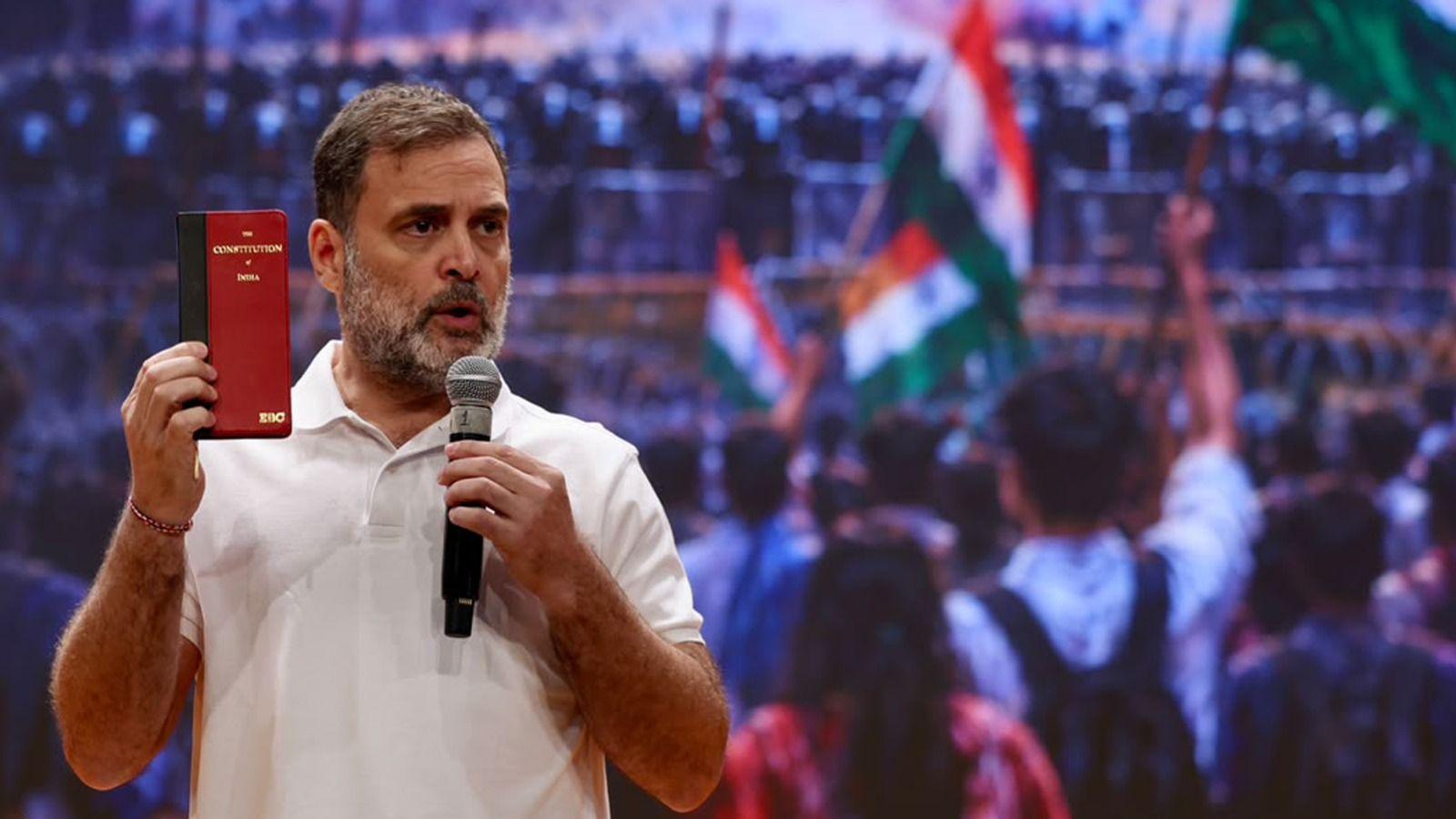
Opposition spokesmen allege that under Kumar’s tenure the election rolls were being altered to benefit Prime Minister Narendra Modi’s BJP. Both the Election Commission and the BJP have officially rejected these claims; however, Congress MP Rahul Gandhi has urged all opposition parties, civil society groups, and democratic supporters to join the march to pressure the court into action.
The opposition delegation intends to submit a memorandum to Chief Justice Surya Kant, who declined a meeting citing “certain reasons.” The court reportedly noted that several of the issues raised were already pending before it, suggesting that the judiciary would address them through formal proceedings rather than a direct hearing.
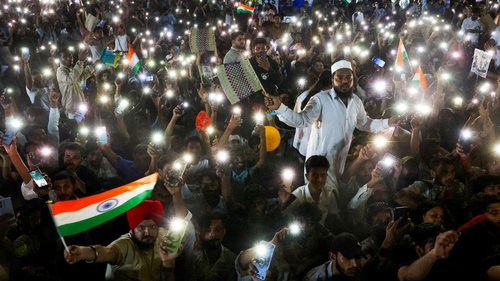
The route began on Barakhamba Road, where a bus carrying Rahul Gandhi and other opposition leaders arrived around 3:30 p.m. Local supporters waved flags and chanted, while several leftists, including student leader Neha Bora, were seated behind Gandhi. Over the past week, opposition leaders have been briefly detained several times while leading protests in central Delhi.
The CJP—Chief Justice of the Constitution Party, a non‑party organisation that has organised high‑profile protests—sat in on Monday’s morale rally. It issued a statement that it would continue protesting until Kumar stepped down. The CJP had previously led a demonstration that forced the resignation of India’s federal education minister earlier this year.
Keen to restrict protest movement, Delhi police announced severe traffic constraints and closed several metro stations. The heavy security presence, including police and paramilitary personnel on the route, stifled the crowd’s ability to reach key protest hubs such as Jantar Mantar. Authorities also sought to curb protest gatherings by canceling trains and shutting down dozens of stations.