In brief
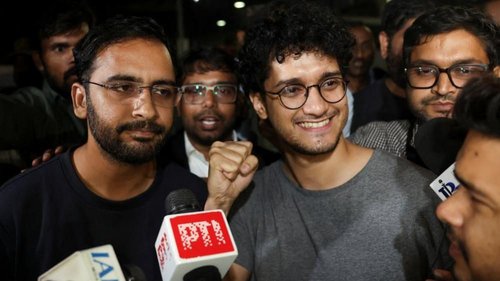
Jantar Mantar, a centuries‑old observatory turned beating heart of Delhi protests, is being pulled off the map of civic dissent after police bulldozed the site in early October. The move follows the recent fall of the Cockroach Janta Party’s hunger strike and wave of police crackdowns on protests demanding resignation of key ministers. While three alternative sites have been named, they are distant, costly and less visible. Historians and activist groups argue the proximity of Jantar to Parliament and media hubs made it a powerful stage for ordinary citizens. Supreme Court hearings are underway, but the future of the park—once a home for student marches, farmers, veterans and wonder activists—hangs in the balance. Will slogans return, or will Delhi’s speech garden be silent for good?
The End of an Iconic Protest Site
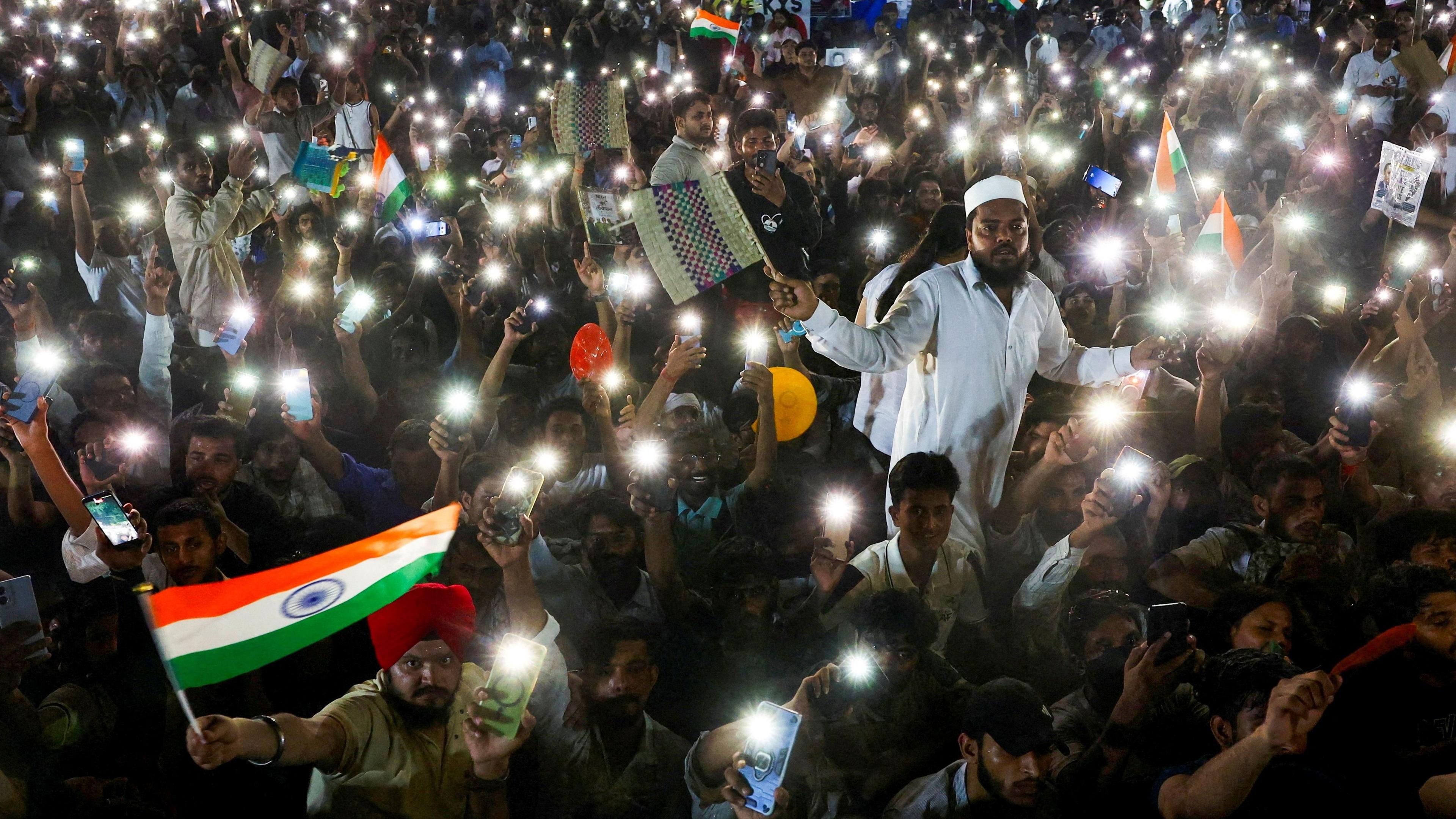
For three decades the trees at Jantar Mantar in New Delhi were a sound‑track to India’s civic struggles – from student campaigns to farmer marches, from hunger strikes to veterans’ protests. The 18th‑century observatory’s quiet road had become a thunderous stage out of a political spectrum that spanned generational youth movements to senior legislators.
In mid‑October Delhi Police announced that the site would no longer be regarded as an official protest zone, following a string of police interventions that began with the Cockroach Janta Party’s sit‑in and escalated to a crackdown on a march demanding the resignation of the election chief. The police move came after a Supreme Court suggestion that alternative venues be identified that could accommodate the public‑assembly need without compromising security near Parliament.
The three new locations include distant parkland along the outer ring road and the Ramlila Grounds, whose fees of several thousand rupees per day make them unlikely to attract the average protester. Critics argue that the extra distance and cost will widen the divide between ordinary citizens and those at the heart of the policy‑making process.
Historian Harleen Kaur documents how successive governments tightened the controls on the Jantar site, citing crowd management and infrastructural limits. Yet every move – from 1993 parking restrictions to the 2017 Green Tribunal order – was contested, and the Supreme Court later reaffirmed the right to peaceful assembly in 2018.
Activists remember the site as a refuge where voices that otherwise would have been ignored found a platform. Rachna Dhingra camped for five months in 2008 demanding justice for Bhopal gas‑leak survivors; medics, veterans and environmentalists have staged marches at the same lawns from 2010 to 2015. The proximity of Jantar to Parliament and the Press Club helped the media’s coverage and allowed politicians to pause and listen.
Presently the lanes that once echoed with slogans are muffled by yellow barricades and a canvas of police uniformed figures standing at guard with batons. In a nearby shop the owner declined to answer any questions, reflecting the tense atmosphere that now dominates the area.
Supranational bodies and civil society groups are filing petitions to reverse the de‑designated status of the site, but their success remains uncertain. Opposition leader Rahul Gandhi and key members of the Cockroach Janta Party have vowed that Jantar is a right of the people and will be reclaimed. Until a verdict is delivered, the locality remains eerily quiet, a stage waiting for its next act.
Image: Supporters of the Cockroach Janta Party chant slogans at Jantar Mantar, New Delhi, 19 July 2026.