In a significant move towards modernization, the nation’s freight railroads will now be allowed to implement a more technology-driven approach to track inspections, following a recent waiver approval from the Federal Railroad Administration (FRA) on Friday.
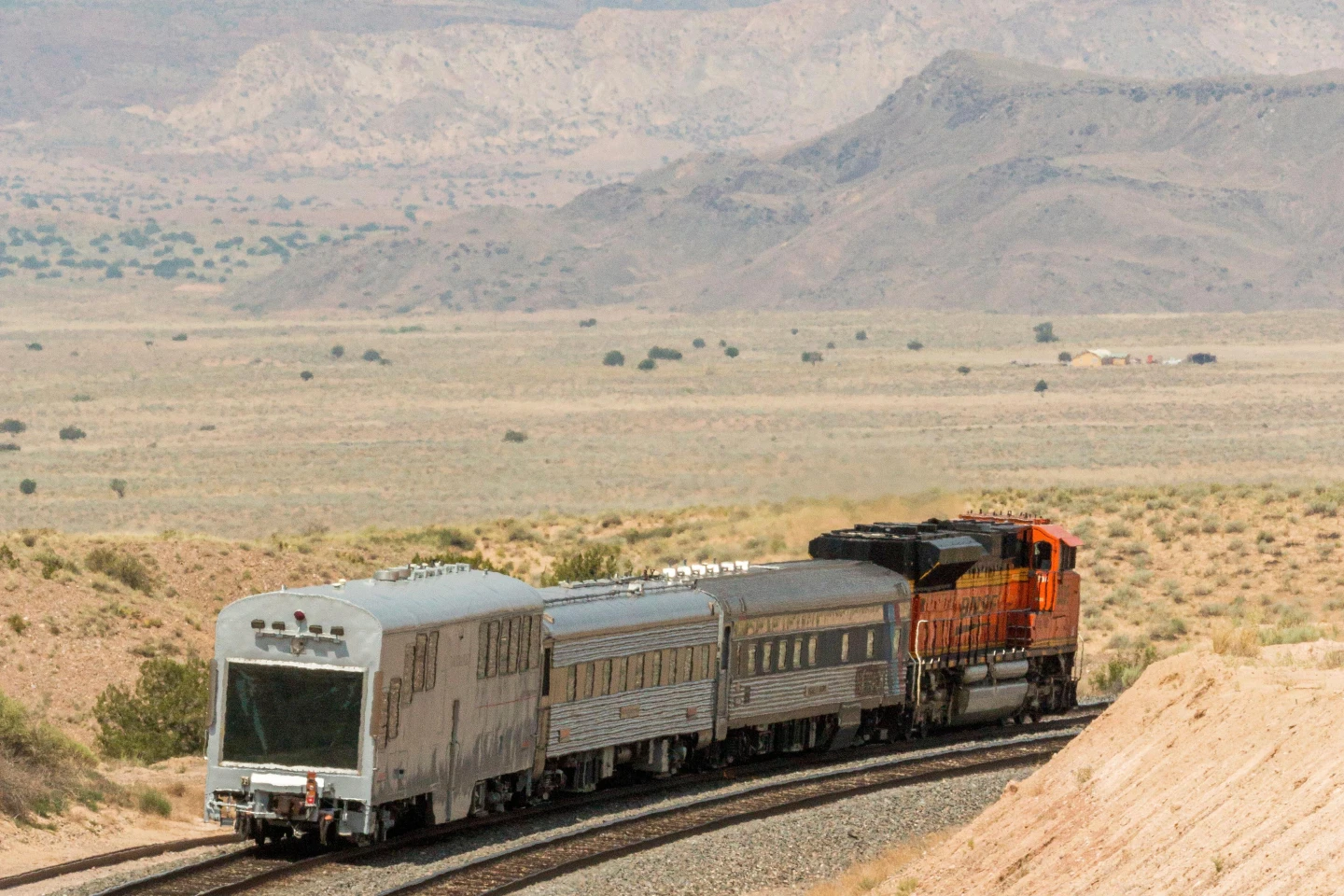
The request for reduced inspection frequency, initially made by the Association of American Railroads, stemmed from the organization’s belief that contemporary automated track inspection technologies are highly effective in identifying issues preemptively, thereby decreasing the necessity for frequent human inspections. Evidence from extended trials by companies such as BNSF and Norfolk Southern indicated improvements in safety even with reduced inspections, endorsing their argument for more flexibility.
While the FRA did not permit the full extent of requested changes, they did grant railroads the ability to decrease track inspections to once a week—an increase from the previous frequency of twice a week.
Although the railroads aimed to inhabit a new protocol, they sought additional leeway allowing up to three days to rectify defects identified by these automated systems. However, the FRA mandated that any serious defects must be addressed immediately, with all lesser identified issues expected to be resolved within 24 hours.
Concerns Raised by Track Inspectors' Union
Amidst the technological advancements, the Brotherhood of Maintenance of Way Employes Division—representing track inspectors—has expressed significant concerns. They assert that while automated systems may detect certain track misalignments, they often fail to identify crucial problems such as underlying rock shifts, vegetation encroachment, cracks in the rails, or deteriorating railroad ties. Their president, Tony Cardwell, emphasized that many everyday defects are recognizable only through visual inspections.
“This technology does help spot problems, but it cannot replace human inspections entirely,” stated Cardwell, cautioning that reduced inspection frequencies might heighten derailment risks.
Countering these claims, railroads maintain that the automated systems effectively mirror the impacts of underlying issues, as the geometry of the tracks will be affected if components are malfunctioning.
Technological Efficacy Versus Manual Inspections
Amidst discussions with the FRA, BNSF argued that test results showcased automated systems as superior in detecting track geometry defects compared to traditional inspections mandated by older regulations. Their findings indicated a dramatic contrast, revealing that while manual inspections detected merely 0.01 defects per 100 miles, the combination of automated inspections and reduced manual checks revealed 4.54 defects per 100 miles.
Despite this data, union representatives believe that consistent track inspections contribute to inspectors developing a deep familiarity with the tracks, allowing them to detect subtle changes that technology might overlook. Morrison noted, “Inspectors who frequently traverse their areas can often preemptively identify potential issues.”
Railroads argue that adjusting inspection frequencies will enable inspectors to allocate more time toward critical equipment, like switches, which still require manual scrutiny. Additionally, they assured that special inspections will continue to occur regularly in response to significant weather events to monitor track integrity.