The National Transportation Safety Board (NTSB) revealed in a recent report that Boeing had alerted aircraft owners in 2011 about a malfunctioning part, which later contributed to the disastrous crash of a UPS aircraft in November 2025, killing a total of 15 individuals. Despite documenting issues with a component critical to securing the MD-11’s engines to its wings, Boeing initially deemed the condition as non-threatening.
The UPS plane crashed shortly after takeoff from Louisville, Kentucky, losing its left engine as it raced down the runway. According to the NTSB's findings, there were at least four prior failures of this specific component documented, yet Boeing concluded these did not lead to unsafe flight circumstances. The aircraft in question had been built by McDonnell Douglas before it was acquired by Boeing.
Investigators found cracks in several parts that held the engine to the wing, a finding that raised significant questions regarding the adequacy of the plane's maintenance schedule. The last detailed inspection of the pertinent engine mount components was in October 2021, with no further inspections scheduled for about the next 7,000 takeoffs and landings.
Understanding when these cracks first began to form remains uncertain, but the incident draws parallels to past aviation disasters, including a fatal 1979 DC-10 crash in Chicago. Following that event, the safety concerns about the aircraft had forced a worldwide grounding of the fleet.
Former FAA and NTSB investigator Jeff Guzzetti expressed surprise that the warnings from McDonnell Douglas in the 1980s regarding similar component failures were not deemed as crucial in Boeing’s later assessments. He highlighted the need for questions about the adequacy of Boeing’s communication and the actions taken by UPS following those warnings.
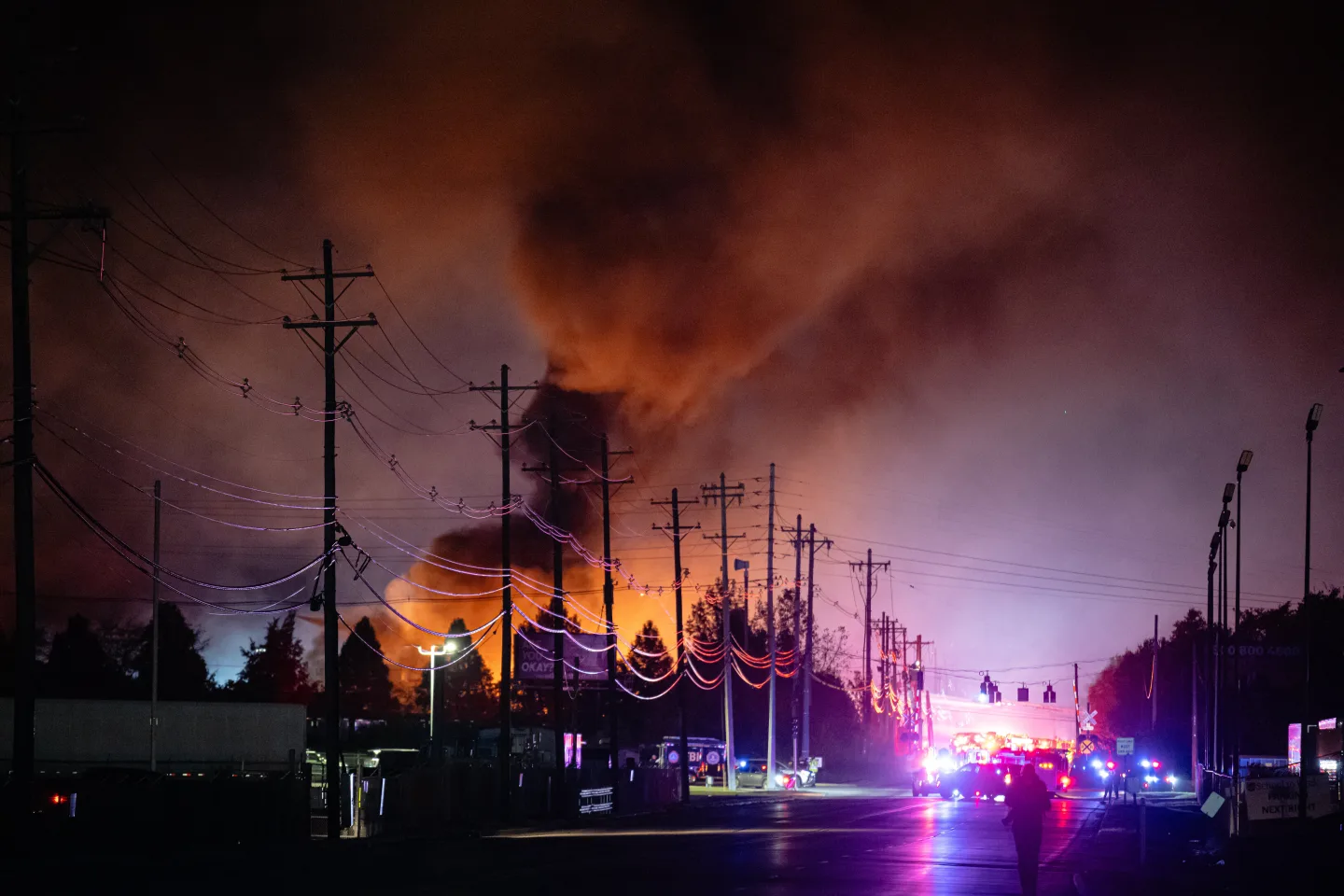
As investigations continue, the NTSB has focused its inquiries on the failure of the spherical bearing races that were found broken after the crash. Inspectors disclosed that the bearing’s associated components were also not in a satisfactory condition. Preliminary photographs from the crash site illustrated the terrifying moments when the engine separated from the aircraft, causing flames to engulf the wing.
While the final determination of the crash’s cause will remain pending until the NTSB concludes its detailed report, Boeing, UPS, and the FAA have refrained from commenting extensively while under investigation. Both companies sent condolences to the victims' families, with UPS reaffirming its commitment to ongoing support for recovery efforts.
Since the accident, all MD-11s in operation, along with several DC-10s, have been grounded, as the cargo sector reevaluates safety protocols associated with these aging models.