For faith leaders aiding anxious immigrant populations across the United States, 2025 looms with significant challenges. Their primary concern centers around the escalation of anti-immigrant sentiments fueled by rhetoric and policies from political figures like President Donald Trump, who has openly blamed immigrants for various social issues.
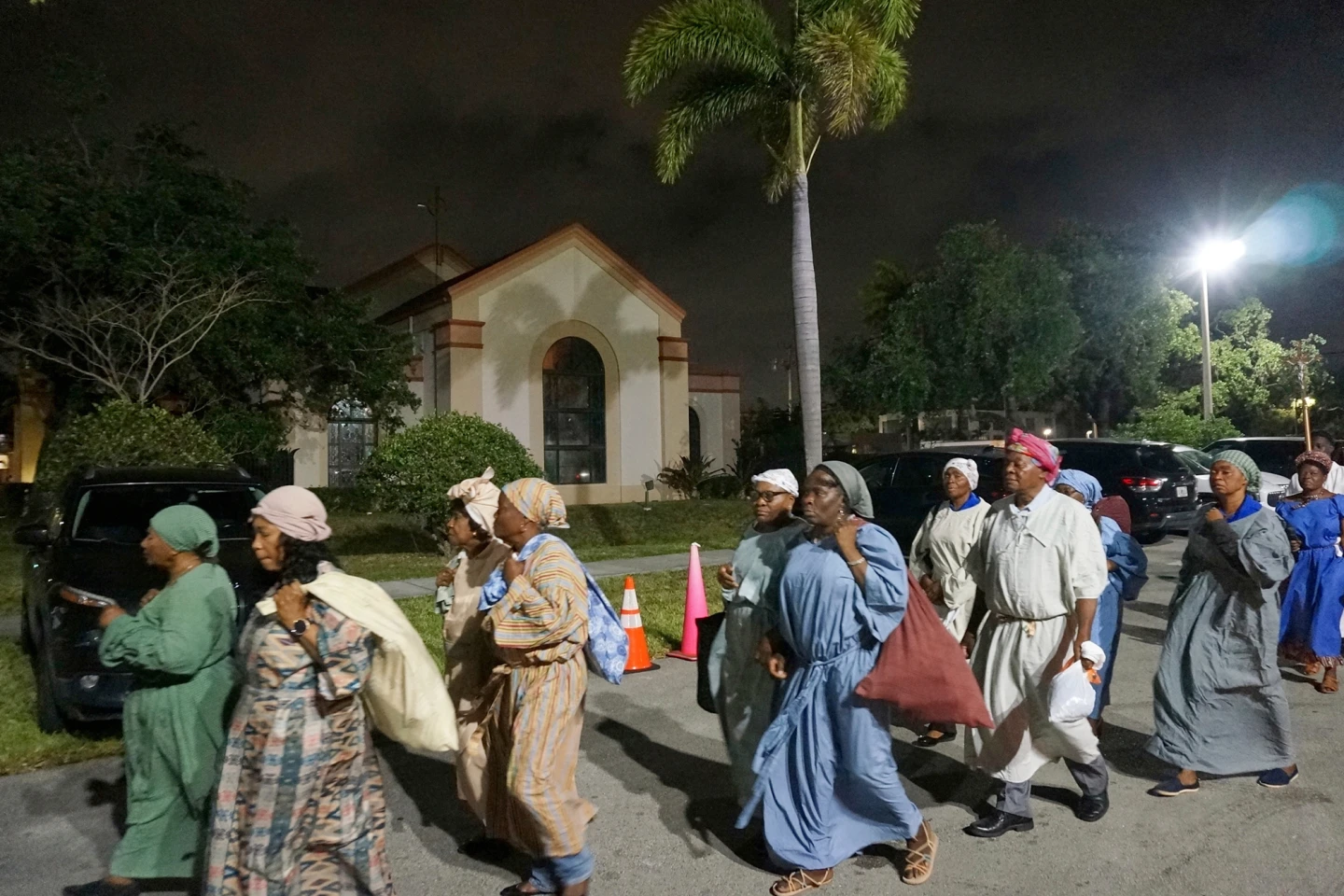
Haitians fleeing gang violence, Afghans who aided U.S. operations, and Somali Americans face an uncertain future as policies become increasingly punitive. Faith communities have rallied together in response, with church leaders urging for compassionate treatment and a rejection of dehumanizing language.
In Springfield, Ohio, a vibrant Haitian community is expressing deep concern as the Temporary Protected Status (TPS) program is set to expire, which many rely on to stay in the U.S. The Rev. Carl Ruby has highlighted the dire situation, emphasizing the risks many Haitians would encounter if forced to return to their homeland.
Meanwhile, Afghan refugees are struggling as funding for essential support agencies dwindles due to suspended programs. Leaders like Kristyn Peck lament the impact of negative framing on Afghan immigrants, stressing that many worked closely with U.S. forces and now fear public backlash.
Minnesota’s Somali community faces similar struggles, dealing with the fallout from Trump's inflammatory remarks and an upsurge in immigration enforcement. Community leaders have convened to address these challenges, ensuring their voices are heard and advocating for their community's successes despite adversity.
Faith leaders across various denominations are united in their messages of support, continuing to provide sanctuary and assistance despite federal challenges. They call upon all individuals to combat hate and promote dignity toward all immigrants, reaffirming the value of each person's life and experiences. As 2025 unfolds, these leaders remain committed to standing in solidarity with those unjustly targeted by policies and rhetoric.
Haitians fleeing gang violence, Afghans who aided U.S. operations, and Somali Americans face an uncertain future as policies become increasingly punitive. Faith communities have rallied together in response, with church leaders urging for compassionate treatment and a rejection of dehumanizing language.
In Springfield, Ohio, a vibrant Haitian community is expressing deep concern as the Temporary Protected Status (TPS) program is set to expire, which many rely on to stay in the U.S. The Rev. Carl Ruby has highlighted the dire situation, emphasizing the risks many Haitians would encounter if forced to return to their homeland.
Meanwhile, Afghan refugees are struggling as funding for essential support agencies dwindles due to suspended programs. Leaders like Kristyn Peck lament the impact of negative framing on Afghan immigrants, stressing that many worked closely with U.S. forces and now fear public backlash.
Minnesota’s Somali community faces similar struggles, dealing with the fallout from Trump's inflammatory remarks and an upsurge in immigration enforcement. Community leaders have convened to address these challenges, ensuring their voices are heard and advocating for their community's successes despite adversity.
Faith leaders across various denominations are united in their messages of support, continuing to provide sanctuary and assistance despite federal challenges. They call upon all individuals to combat hate and promote dignity toward all immigrants, reaffirming the value of each person's life and experiences. As 2025 unfolds, these leaders remain committed to standing in solidarity with those unjustly targeted by policies and rhetoric.