Elon Musk challenges India’s richest over Starlink entry
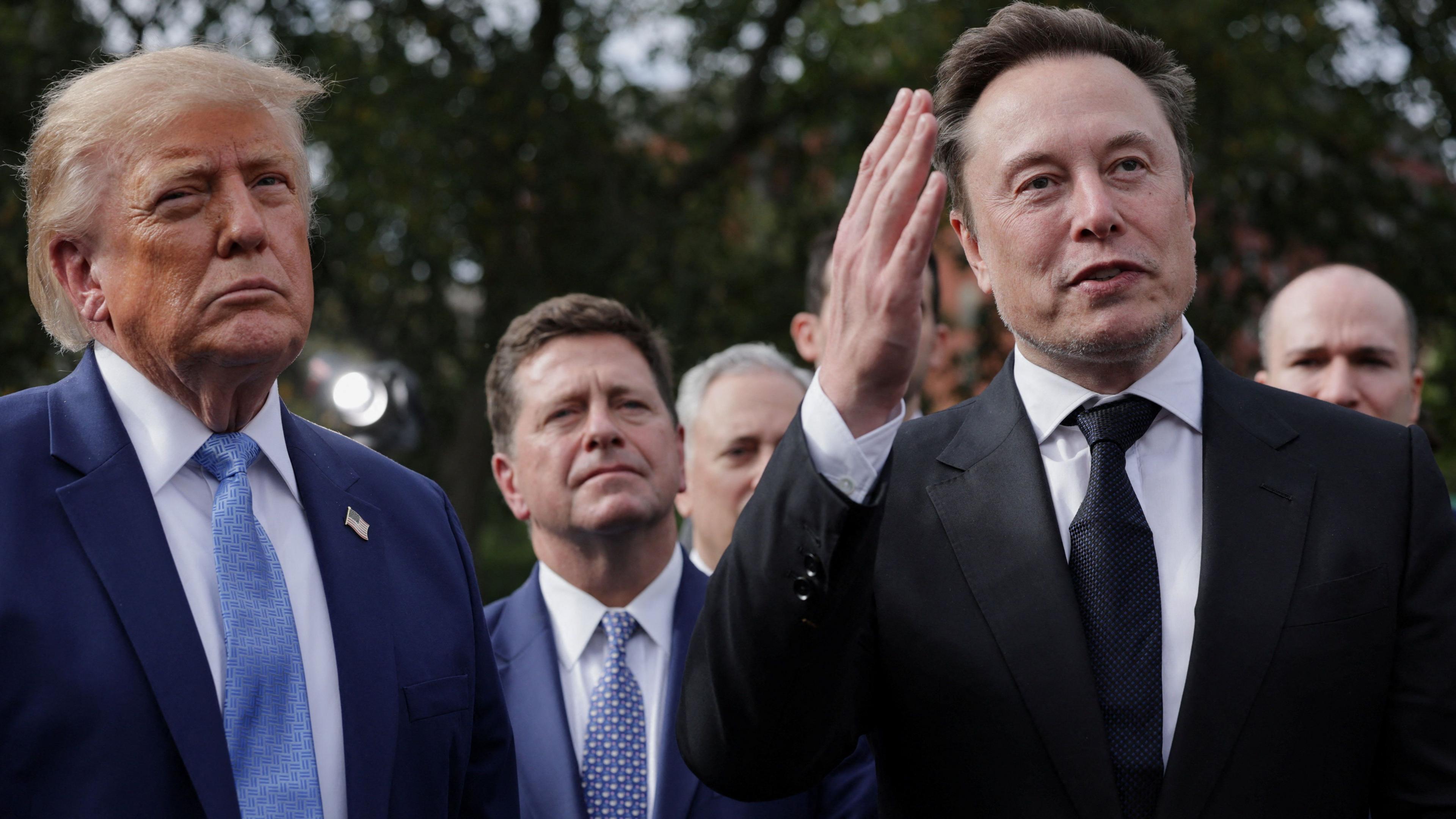
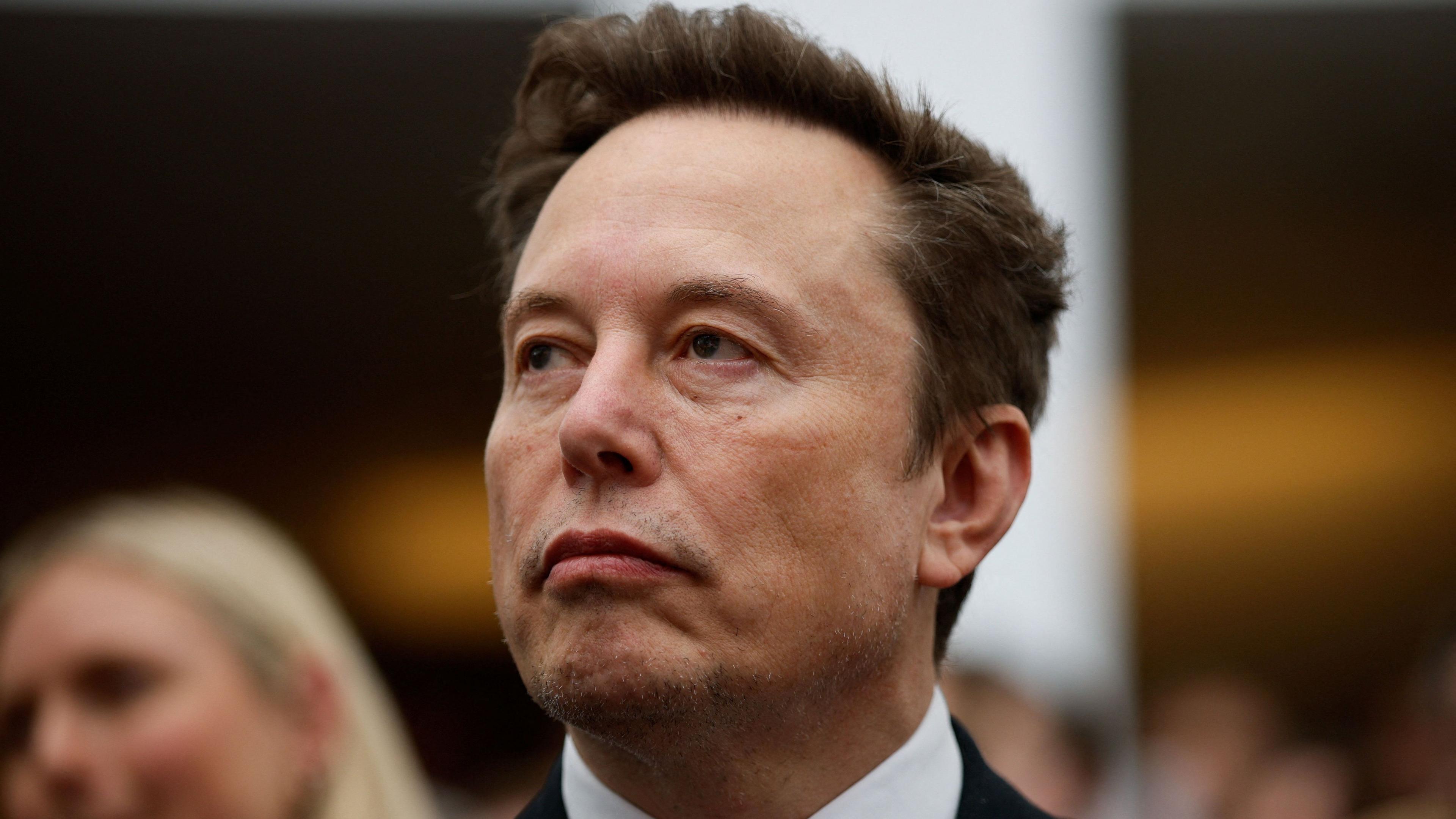
Elon Musk has publicly questioned whether Mukesh Ambani is the “real boss of India” after Starlink’s approval to enter the market has stalled.
The superstar CEO of SpaceX twisted his Twitter/X account to accuse unnamed oligarchs of maintaining a monopolistic chokehold on Indian consumers, stating that blocking Starlink is a crime against the people of India. He singled out the richest Indian, the former Chairman of Reliance Industries, suggesting that Ambani’s influence was behind the delay.
The Indian Ministry of Communications replied that Starlink is at the same stage as other operators such as Eutelsat OneWeb and Jio Sat—each waiting for security clearances and spectrum allocation before launching commercial services. The ministry called Musk’s claim “baseless and misconceived.”
Starlink, a global satellite‑internet service, has been working with Indian regulators since 2021. It has been licensed in more than 165 countries and claims to have built national security controls into its network, but still needs final approvals.
Reliance Jio and Bharti Airtel, both partners of Starlink, are also preparing to launch their own satellite‑internet services. Akash Ambani, the son of Mukesh Ambani, told reporters that the company was developing its own satellite technology and would keep focus on its consumers without comment on Musk’s allegations.
Security has been a key concern. In 2024 and 2025 Indian authorities recovered Starlink equipment during drug‑smuggling investigations and military operations, prompting Musk to claim the equipment never operated a live service in India.
The services arrive in an country that is one of the world’s largest internet markets but still suffers from uneven coverage, especially in remote areas where mobile networks and broadband cables are hard to deploy. Musk argues that Starlink could bridge the digital divide, offering high‑speed, affordable internet to regions that currently lack connectivity.
Pricing remains unclear, but benchmarked US residential plans start at US$55 per month, while equipment costs vary by location. Experts caution that the model may be out of reach for many Indian households.