EU Pairs Climate Goals with Business Flexibility, Slowing ETS Reductions
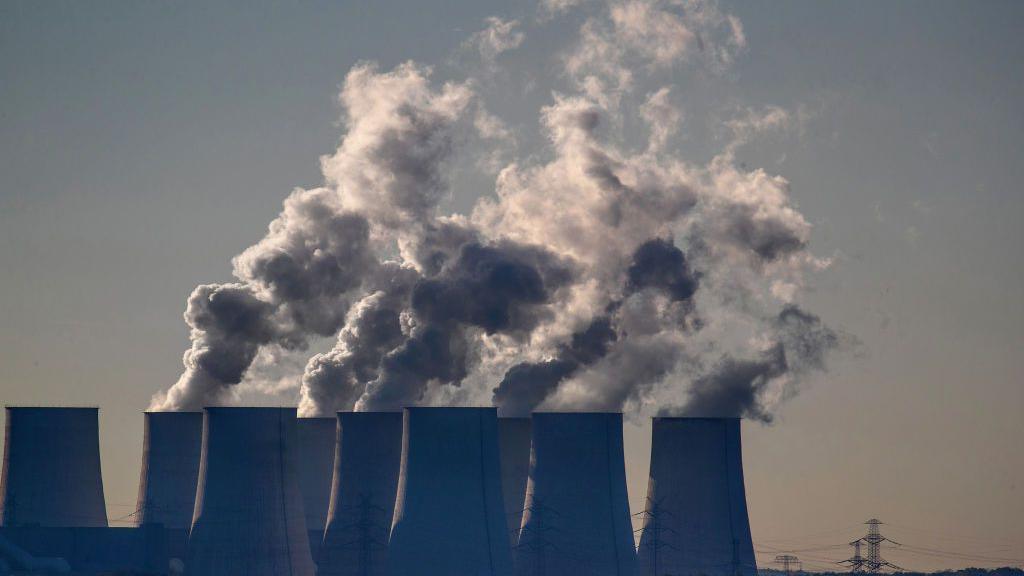
The European Union is moving to temper the rapid decline of its main climate tool, the Emissions Trading System (ETS). The plan would delay the dropping of cap limits for certain industries until 2038 rather than the previously scheduled 2034, giving companies extra time to decarbonise.
Key elements of the proposal include extending the period of free allowances until 2038 and lowering the yearly reduction of the overall cap from 4.3 % to about 3.7 % starting in 2031, then to 1.7 % after 2036. Pro‑business language from Commissioner Wopke Hoekstra highlights the shift as a “savvy” stance that still supports the EU’s 2040 90 % emission cut target.
During discussions, Poland’s climate minister Paulina Hennig‑Kloska welcomed the softened approach and vowed to push for even weaker requirements. In contrast, environmental politicians such as Germany’s Michael Bloss criticised the proposal, claiming it would turn Europe into a “gigantic climate polluter” and compromise the future for the next generation.
Beyond regulatory debates, the context of rapid regional warming—reported with day‑by‑day record highs in countries like Hungary, the Czech Republic and Germany—underscores the urgency of decisive climate action. EU leaders must now decide whether a more business‑friendly schedule will delay essential reductions or whether stricter timelines remain necessary to curb emissions.