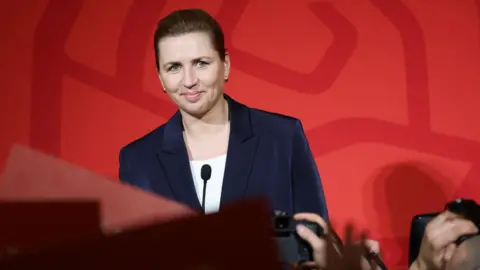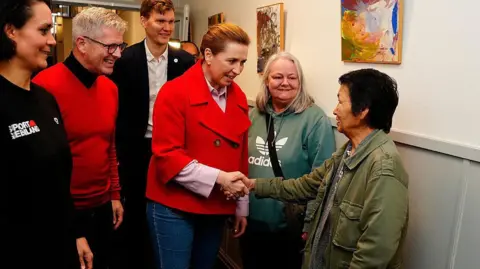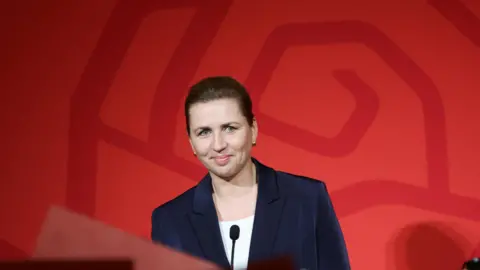
Led by Prime Minister Mette Frederiksen, Denmark's Social Democrats have won the most votes in the country's general election but have failed to secure a majority, marking the party's weakest showing in over a century. The Social Democrats garnered 21.9% of the vote, translating to 38 parliamentary seats—making them the largest party but still falling short of a simple majority.
Supporters inside Denmark's parliament cheered Frederiksen as she expressed her disappointment, saying, I'm sorry that we did not get more votes. I had also hoped for a better result. Despite this setback, Frederiksen remained hopeful about continuing her term, stating the Social Democrats have become the Danes' "absolute favourite political party."
With Denmark typically governed by coalition arrangements, Frederiksen will now engage in challenging negotiations, which could take days or even weeks. The election had twelve parties on the ballot, and the tight race resulted in a close contest between the left-wing 'red bloc', which secured 84 seats, and the right-wing 'blue bloc', that obtained 77 seats in the 179-seat parliament. Both factions have fallen short of the 90 seats needed for a simple majority, leaving questions about which party will manage to build a coalition.
The growing influence of the Moderates, a centrist party holding 14 seats led by former Prime Minister Lars Løkke Rasmussen, could reshape the landscape as they are now positioned as potential kingmakers in coalition discussions.
Frederiksen's administrations have faced significant challenges over the years, including international crises, but this election was driven more by domestic issues like the cost of living, economic stability, and environmental concerns. The unexpected timing of the election, called earlier than anticipated, aimed to capitalize on recent successes, but instead highlighted vulnerabilities as the Social Democrats struggled to maintain their previous support.
Supporters inside Denmark's parliament cheered Frederiksen as she expressed her disappointment, saying, I'm sorry that we did not get more votes. I had also hoped for a better result. Despite this setback, Frederiksen remained hopeful about continuing her term, stating the Social Democrats have become the Danes' "absolute favourite political party."
With Denmark typically governed by coalition arrangements, Frederiksen will now engage in challenging negotiations, which could take days or even weeks. The election had twelve parties on the ballot, and the tight race resulted in a close contest between the left-wing 'red bloc', which secured 84 seats, and the right-wing 'blue bloc', that obtained 77 seats in the 179-seat parliament. Both factions have fallen short of the 90 seats needed for a simple majority, leaving questions about which party will manage to build a coalition.
The growing influence of the Moderates, a centrist party holding 14 seats led by former Prime Minister Lars Løkke Rasmussen, could reshape the landscape as they are now positioned as potential kingmakers in coalition discussions.
Frederiksen's administrations have faced significant challenges over the years, including international crises, but this election was driven more by domestic issues like the cost of living, economic stability, and environmental concerns. The unexpected timing of the election, called earlier than anticipated, aimed to capitalize on recent successes, but instead highlighted vulnerabilities as the Social Democrats struggled to maintain their previous support.