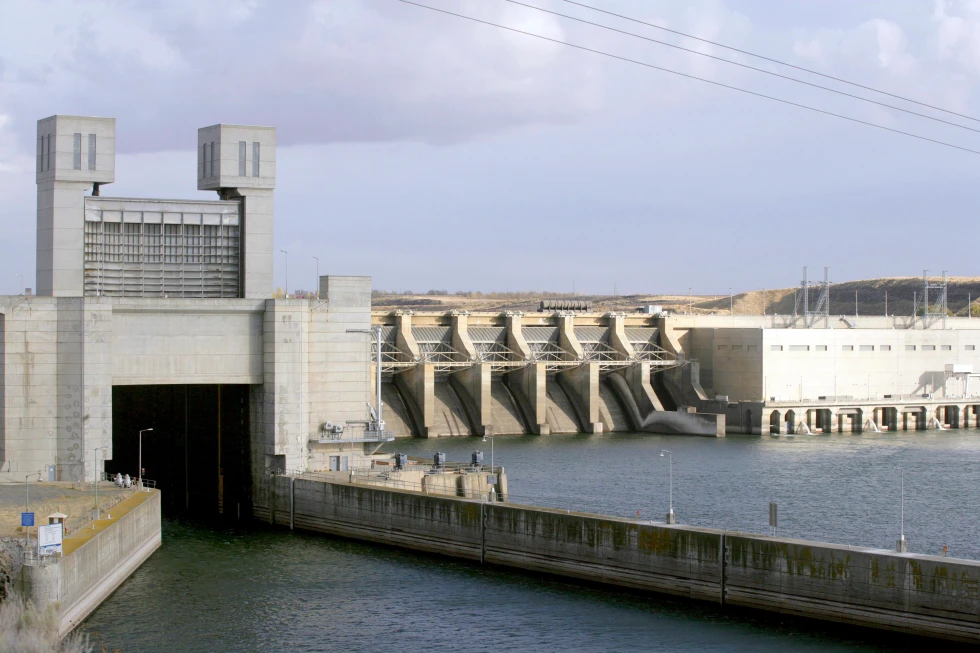
PORTLAND, Ore. — Lawyers for conservation groups, Native American tribes, and the states of Oregon and Washington reconvened in court to address potential adjustments to dam operations impacting the Snake and Columbia Rivers. The discussions emerged after the collapse of a significant agreement with federal authorities aimed at reviving critically endangered salmon runs.
Last year, the Trump administration's withdrawal from the previously proposed $1 billion initiative, intended as a landmark agreement for salmon restoration and tribal clean energy projects, intensified the ongoing legal disputes surrounding the dams.
U.S. District Judge Michael Simon, referring to long-standing litigation, described the situation as 'deja vu all over again' as he initiated the hearing in a courtroom filled to capacity.
The plaintiffs claim that the government's current management of the dams breaches the Endangered Species Act, asserting that judges have mandated changes to protect salmon over the years. They are seeking judicial orders for alterations at eight major hydropower dams, advocating for measures such as lowering reservoir water levels to facilitate faster fish passage and increasing spill levels to assist juvenile fish traveling past the dams.
Environmental advocates express that immediate action is vital, with Amanda Goodin of Earthjustice indicating that we are facing fish populations at the edge of extinction. In contrast, federal attorneys argue that proposed changes could jeopardize safe and efficient dam operations, potentially raising utility rates for consumers.
The legal push follows the termination of the Resilient Columbia Basin Agreement last June, a pact that had offered a pause in litigation concerning dam operations after increased tensions arose between conservation efforts and economic interests.
The proceedings spotlight the crux of the region's ongoing struggle: the dams—built during the 1930s for jobs and economic stability—have become a significant factor in the decline of salmon populations, regarded as central to the heritage and identity of Northwest tribes.
In court, tribal leaders lamented the impact of declining fish numbers on their cultural practices and subsistence fishing, insisting that extinction is not an acceptable outcome. The dams at the center of this contentious discussion are the Ice Harbor, Lower Monumental, Little Goose and Lower Granite on the Snake River; and the Bonneville, The Dalles, John Day and McNary on the Columbia.